 English
Views: 0 Author: Site Editor Publish Time: 2026-05-29 Origin: Site


Selecting the "best" trail running brand is never about finding a universally superior manufacturer. It is about matching a brand’s specific design philosophy to your unique biomechanics and local terrain. Coastal environments introduce highly variable conditions, including shifting sand, wet granite, packed dirt, and frequent tidal water crossings. These harsh elements immediately expose the limitations of poorly chosen footwear. Choosing the wrong pair often leads to painful blisters, lost toenails, or serious transition injuries on cambered beaches. This guide evaluates leading brands based on their engineering approaches, objective lab-tested metrics, and real-world trail performance. You will learn how to bypass confusing marketing claims and identify the exact specifications you need. We will help you build a functional shoe rotation and make a truly evidence-based purchasing decision.
Terrain dictates traction: Coastal trails require versatile outsoles—moderately spaced 3–4mm lugs to grip wet rocks without retaining sticky mud or sand.
Drainage outperforms waterproofing: For most coastal environments, highly breathable, quick-draining mesh is superior to waterproof membranes, which trap sweat and ocean water.
Match drop to biomechanics: Selecting a brand requires aligning its standard heel-to-toe drop with your footstrike and preferred movement path to minimize injury risk.
Brand DNA matters: Brands specialize in distinct fit profiles—from Altra’s wide toe boxes for foot splay to Salomon’s precision fits for technical agility.
Coastal running presents unique hurdles. You rarely stay on a single surface type during a run. The environment demands highly adaptable footwear.
Coastal routes frequently transition from pavement to soft beach sand. They then shift to technical rock scrambles and muddy bluff paths. Shoes must balance multi-surface grip. They need road-to-trail flexibility to handle these rapid changes. When shopping for Coastal Trail Running Shoes, prioritize versatile tread patterns. Stiff mountain shoes often feel clumsy on flat beach sections.
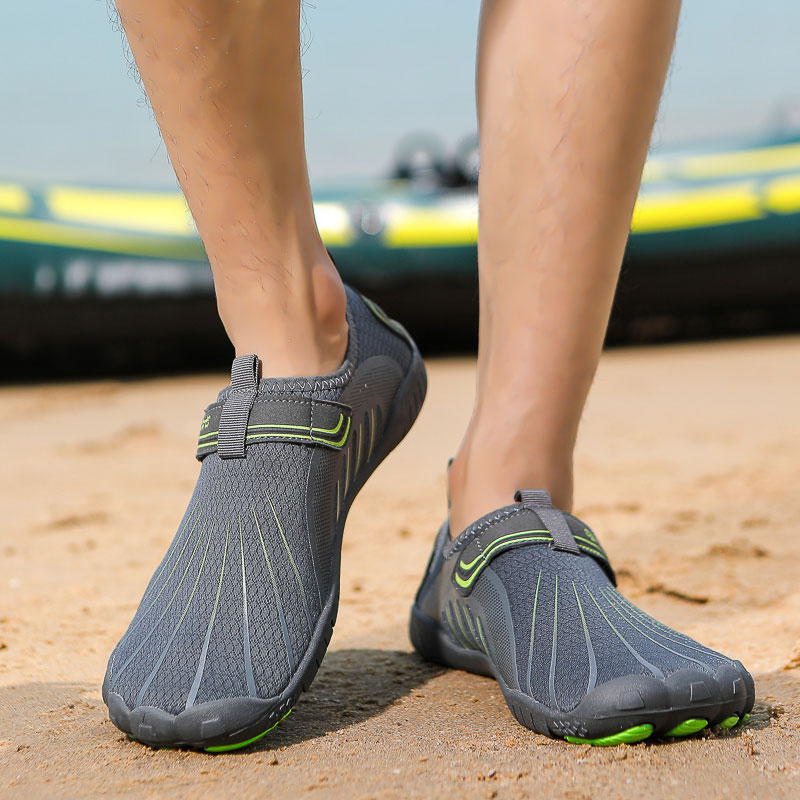
Exposure to salt water, tidal pools, and fine sand destroys weak materials. You need robust upper durability. Rapid water evacuation capabilities are non-negotiable. Fine sand acts like sandpaper against weak meshes. A tightly woven upper prevents debris ingress while allowing water to escape quickly after a crossing.
Running on cambered beaches places high stress on the midfoot and ankles. Uneven cliff trails do the exact same thing. This environment necessitates a secure midfoot lockdown. If your foot slides laterally inside the shoe, you risk rolling an ankle. A snug midfoot saddle prevents this dangerous internal movement.
Every manufacturer approaches footwear design differently. You must understand these core philosophies to find your perfect match.
These brands champion foot-shaped, wide toe boxes. They allow natural toe splay. They pair this design using zero to low heel-to-toe drop. This setup is ideal for long coastal ultras. Soft-sand running also benefits greatly from the wider platform. Topo generally offers tighter midfoot lockdown and minor drop options. It provides a great alternative if you struggle adjusting to Altra’s strict zero-drop.
Hoka utilizes high stack heights (30mm+) and aggressive rocker geometry. The design absorbs impact beautifully. It facilitates smooth heel-to-toe transitions over long distances. They are excellent for hard-packed coastal bluffs and long mileage days. However, high stack heights can sacrifice ground feel. You might lose proprioception on highly technical, uneven rock gardens.
Snug, race-oriented fits define this category. They use proprietary sticky rubber outsoles designed for extreme traction. Think Contagrip or FriXion compounds. This is the baseline standard for navigating wet coastal granite. They excel on slippery roots and steep, technical descents where precision saves you from falling.
Traditional running shoe architectures (8–10mm drop) adapt well for the dirt. They prioritize predictable comfort and durability above all else. These brands are best for hybrid road-to-trail routes. They work perfectly for runners transitioning from road running. You do not need to alter your biomechanics to wear them.
Brand Category | Core Philosophy | Best Coastal Application | Ideal Runner Profile |
|---|---|---|---|
Natural Fit (Altra, Topo) | Wide toe box, zero/low drop | Long ultras, soft beach sand | Needs toe splay, forefoot strikers |
Maximalist (Hoka) | High stack, rocker geometry | Hard-packed bluffs, recovery runs | Seeks impact protection, heel strikers |
Technical (Salomon, La Sportiva) | Snug fit, sticky rubber outsoles | Wet granite, steep descents | Values agility, runs technical terrain |
All-Rounders (Brooks, ASICS) | Traditional drop, balanced foam | Hybrid road-to-trail routes | Road runners transitioning to dirt |
Marketing terms often confuse buyers. Focus instead on objective dimensions. These metrics tell you exactly how a shoe will perform.
Light or moderate trails require 3–4mm lugs. They provide sufficient grip for packed dirt. You will not feel sluggish on pavement sections. Technical or wet trails demand deeper lugs (>4mm). Widely spaced patterns shed coastal mud efficiently. They also grip wet surfaces much better. Look for proven rubber compounds like Vibram Megagrip for maximum safety.
Minimalist (<15mm): Delivers maximum ground feel. Expect high lower-leg fatigue on hard surfaces.
Moderate (20–35mm): Represents the sweet spot for coastal versatility. It balances protection and proprioception.
Maximum (35mm+): Protects against repetitive impact perfectly. It reduces ground feel on highly unstable terrain.
Rock Plates: Often embedded in moderate-stack shoes. They prevent painful stone bruising. These are increasingly obsolete in modern max-cushion models.
This is a critical biomechanical metric. It ranges from 0mm to 15mm. Heel strikers generally require 8mm or more. Midfoot or forefoot strikers often prefer 0–8mm. A mismatched drop alters your natural stride. This misalignment frequently causes overuse injuries in the lower legs.
Buying the wrong gear causes painful problems. Avoid these common mistakes when selecting your next Coastal Trail Running Shoes.
Buying waterproof shoes for wet trails frequently backfires. It results in the dreaded "fishbowl effect." Water enters over the ankle collar during deep crossings. It cannot drain out through the waterproof membrane. This traps moisture inside permanently. It leads to macerated skin and severe blisters miles from your car.
Instantly switching from a traditional 10mm drop to zero-drop is dangerous. It places aggressive strain on the Achilles tendon and calves. Transitioning requires a carefully phased approach. You should slowly mix zero-drop shoes into short, easy runs over several months.
You must leave a thumb's width of space at the front. It sits between your longest toe and the bumper. Failing here results in severe toe-bang. You will easily lose toenails on steep coastal descents. Your foot naturally swells during long efforts, requiring this extra room.
Current biomechanical consensus warns against forcing gait correction. You should not rely heavily on rigid stability elements. Instead, match the shoe to your body's preferred movement path. Allow your foot to move naturally. Over-correction often shifts stress to the knees and hips.
One pair rarely covers every scenario perfectly. You need a strategic approach to building your gear closet.
No single pair excels at everything. High-speed technical scrambling requires different footwear than deep-cushioned long runs. A highly aggressive mud shoe feels terrible on hard-packed dirt. A maximalist road-to-trail shoe feels terrifyingly unstable on wet boulders.
Scientific evidence supports rotating footwear. Alternating 2–3 different pairs alters repetitive stress loads. It protects your joints and muscles from repetitive strain. This approach directly reduces injury risk over time. It also extends the lifespan of each pair by allowing the foam to recover.
Define your primary coastal surface (e.g., 70% packed dirt / 30% wet rock).
Identify your current road shoe’s drop and stack height to establish a reliable baseline.
Shortlist two brands with opposing but complementary strengths (e.g., a high-cushion Hoka for long days, a nimble Salomon for technical intervals).
Test fit at the end of the day when feet are naturally swollen.
There is no single best brand for coastal trail running shoes. The best choice is simply the brand aligning perfectly with your specific biomechanics, foot volume, and local trail conditions. Bypass marketing claims by evaluating objective metrics like lug depth, drop, and stack height. Focus on establishing a reliable shoe rotation. This strategy accommodates the varied demands of coastal terrain beautifully. Prioritize rapid drainage, appropriate grip, and a fit supporting your natural movement path above all else.
A: Most trail shoes degrade between 300 to 500 miles (approx. 480–800 km). Coastal environments accelerate wear. Salt degrades adhesives quickly. Abrasive sand wears down outsoles and upper meshes much faster than inland forest trails.
A: While possible on flat, packed-dirt paths, road shoes lack necessary features. They miss the requisite lug depth for wet surfaces. They also lack toe bumpers for rock protection. Furthermore, they fail to provide the midfoot stability required for cambered or uneven coastal routes.
A: No. For deep water crossings or beach running, highly breathable mesh is strongly preferred. Waterproof membranes trap water inside the shoe once submerged. This significantly increases shoe weight and blister risk during your run.
A: You need about a thumb's width of space at the front. This accounts for foot swelling and downhill movement. However, blindly sizing up can compromise midfoot lockdown. If the shoe feels too narrow, look for brands offering "Wide" models or naturally wider toe boxes rather than just increasing the length.


