 English

Views: 0 Author: Site Editor Publish Time: 2026-09-30 Origin: Site


Imagine slicing through the crisp morning waves, only to have the biting cold turn your toes into stiff, unfeeling blocks of ice. Or perhaps you have experienced the exact opposite. Wrestling your feet into a pair of tight fins while wearing overly bulky booties often leads to agonizing cramps before you even leave the shallow end. Choosing the wrong aquatic footwear can quickly ruin an otherwise perfect ocean swim or tropical reef excursion.
The debate between selecting a 2-millimeter or 3-millimeter thickness is a classic dilemma for water enthusiasts. The right choice depends entirely on the water temperature you plan to brave, the specific biomechanics of your kick, and how your gear integrates with your current fin setup. In this comprehensive engineering guide, we break down the precise advantages, hidden drawbacks, and specific operational scenarios for both thicknesses. This ensures you make an informed, confident gear decision for your next aquatic adventure.
Optimal Warmth vs. Flexibility: A 2mm thickness offers a natural, barefoot feel ideal for warm waters (65°F and above). A 3mm thickness provides essential thermal insulation for colder environments (50°F–65°F) at the cost of slight bulk.
The Fin Fit Factor: Your choice directly impacts your equipment. Thicker 3mm booties often require sizing up your fins or switching to open-heel designs. Thinner 2mm options typically slide easily into standard full-foot fin pockets.
Pre-Swim Terrain Matters: If your journey to the water involves navigating jagged rocks, scorching beach sand, or slippery boat decks, upgrading to rubber-reinforced soles is a mandatory step for foot protection.
Cut and Design: High-cut designs are crucial for open water swimmers looking to prevent cold water flushing under a wetsuit. Low-cut profiles offer easy application for casual pool use.
Before diving into specific millimeter comparisons, we need to look at the material science. Why is synthetic rubber the gold standard for aquatic footwear? First, you must understand that neoprene is not designed to keep your feet completely dry. Instead, this closed-cell foam compound is packed with millions of microscopic nitrogen bubbles.
When you step into the ocean, the fabric allows a thin, controlled layer of water to seep in against your skin. Your body heat rapidly warms this trapped water. This reaction creates a thermal boundary that stops the surrounding cold lake or sea water from drawing heat away from your extremities.
Human extremities lose heat incredibly fast in aquatic environments. Prolonged exposure without proper insulation forces your body to shunt blood away from your toes to protect vital organs. This physiological response leads to numbness, severely reduced motor control, and in extreme cases, localized cold-water shock. Maintaining functional warmth is a critical safety measure, not just a comfort upgrade.
Furthermore, water inherently softens human skin. This makes your heels and toes highly susceptible to abrasive friction. Repetitive flutter kicks cause rigid rubber fin pockets to rub aggressively against bare skin. A quality synthetic rubber barrier acts as a durable cushion, completely eliminating the risk of agonizing blisters.
Recent market analysis reveals a fascinating shift in how consumers approach aquatic gear. Historically, casual swimmers and snorkelers relied on generic, hard-soled water shoes. These offered terrestrial protection but created massive hydrodynamic drag in the water. Today, the industry is witnessing a massive surge in demand for activity-specific, anatomically contoured footwear.
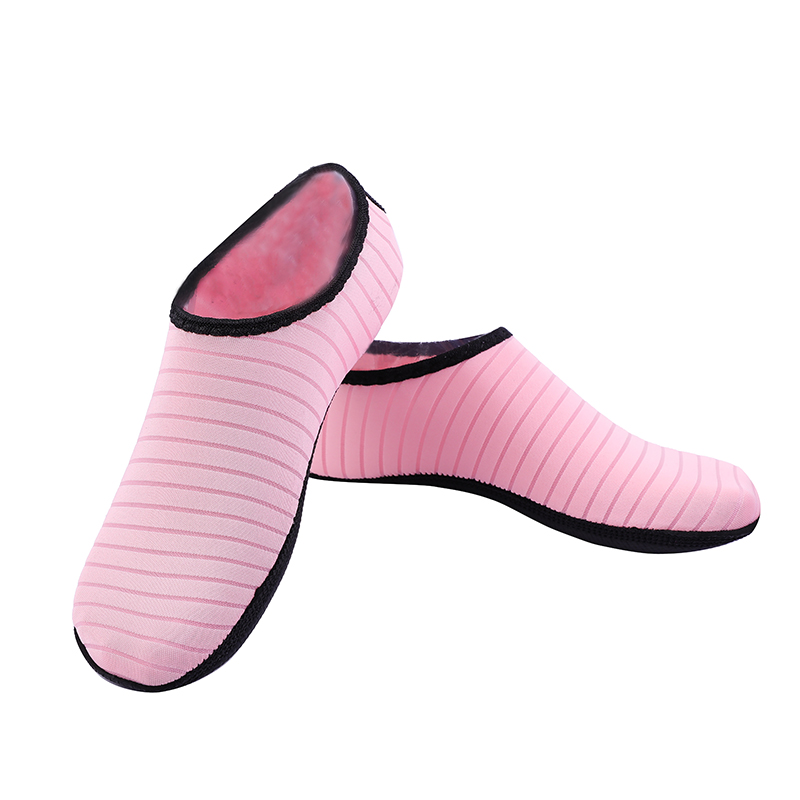
Enthusiasts are becoming increasingly educated about thermal dynamics. This has led to a spike in interest specifically comparing millimeter thicknesses. We are observing a distinct trend toward hybrid material engineering. Water sports participants are no longer willing to compromise between terrestrial durability and underwater performance. Manufacturers are responding by blending the barefoot flexibility of ultra-thin neoprene with targeted, vulcanized rubber grip zones. Modern gear is now expected to transition seamlessly from a rocky trailhead directly into a fluid flutter kick.
When evaluating lightweight aquatic protection, 2mm neoprene socks represent the ultimate baseline for active users. They are meticulously engineered for swimmers and divers who prioritize ankle mobility and tactile feedback over extreme thermal retention.
The most defining characteristic of the 2mm profile is its exceptional elasticity. For dedicated swimmers, ankle flexibility is a non-negotiable biomechanical factor. Executing an energy-efficient flutter kick requires the ankle to point and flex continuously without resistance. Because this material is relatively thin, it stretches effortlessly. It provides an unhindered range of motion that closely mimics barefoot swimming. As an added bonus, these thinner profiles pack down small, making them a staple for traveling enthusiasts.
From an empirical standpoint, this level of insulation is best suited for tropical, warm, or moderate environments. Generally, these garments perform optimally in water temperatures of 65°F (18°C) and above. Under these conditions, the risk of rapid heat loss is minimal. The primary objective shifts heavily toward physical protection against coral abrasions and fin friction.
Planning a trip to the sun-drenched reefs of the Caribbean? This thickness is your best companion. It offers the exact amount of defense needed without causing your feet to overheat and sweat on the boat ride. Crucially, because they add virtually no volume to your foot, they usually slide easily underneath standard, snug-fitting snorkeling fins.
In contrast, venturing into the misty, kelp-filled waters of the Pacific coast requires serious thermal planning. Upgrading to 3mm neoprene socks offers a substantial boost in heat retention. This fundamentally alters the gear's performance profile, prioritizing warmth and cushioning above all else.
The core benefit here is superior thermal dynamics. Thicker synthetic rubber means more microscopic nitrogen bubbles are present to trap your body heat and block cold water intrusion. This added millimeter also translates into a more robust physical barrier. It offers noticeable shock absorption for the soles of your feet when standing on hard, uneven surfaces. For long-distance open water swimmers, this extra insulation is often the deciding factor between completing a grueling session and retreating to the shore early.
These garments are explicitly designed to tackle cool to cold aquatic environments. Industry safety standards recommend a 3mm thickness for water temperatures ranging from 50°F to 65°F (10°C to 18°C). Dropping into this temperature bracket with unprotected extremities guarantees rapid numbness. This severely impairs your kicking mechanics and overall safety.
However, superior insulation comes with measurable trade-offs. The increased density naturally results in a slight reduction in ankle mobility. You may notice that pointing your toes requires marginally more muscular effort. Furthermore, thicker foam contains more trapped air, increasing the buoyancy of your feet. This can slightly elevate your legs, altering your horizontal posture in the water.
To make a truly informed decision, you must evaluate how these two options perform across specific operational metrics. The difference of a single millimeter might seem trivial on a spec sheet, but it drastically changes your physical experience once submerged.
Feature / Metric | 2mm Thickness | 3mm Thickness |
|---|---|---|
Ideal Water Temp | 65°F (18°C) and above | 50°F to 65°F (10°C to 18°C) |
Ankle Flexibility | Maximum (Barefoot feel) | Moderate (Slight resistance) |
Fin Compatibility | Fits standard full-foot fins easily | Requires sizing up or open-heel fins |
Primary Benefit | Blister prevention & mobility | Thermal retention & shock absorption |
The "Fin Fit" factor is arguably the most critical logistical difference. A 3mm layer adds significant circumference and volume to your foot. If you currently own full-foot fins that fit perfectly on bare feet, forcing a thick bootie into that same pocket will make the fit unbearably tight. Restricted blood circulation paradoxically causes your feet to freeze much faster. If you require 3mm insulation, you will almost certainly need to transition to open-heel fins with adjustable straps.
The specific environmental demands of your swim should heavily influence your gear selection. Doing laps in a temperature-controlled pool presents entirely different challenges compared to navigating a choppy, unpredictable bay.
Open ocean environments are notoriously volatile. Athletes frequently encounter sudden thermal stratification—freezing patches of water—along with submerged debris. When cold water shock hits the extremities, blood vessels constrict rapidly, leading to immediate cramping. Therefore, reliable swimming socks are not merely a comfort accessory; they are a fundamental safety requirement in temperate climates.
Beyond material thickness, the anatomical cut plays a major role. High-cut designs are engineered to extend several inches above the ankle bone. For athletes wearing full wetsuits, this is essential. The top of the high-cut fabric can be securely tucked underneath the wetsuit leg, creating an overlapping seal. This prevents cold water "flushing"—the jarring rush of freezing water entering your suit during an aggressive kick. Conversely, low-cut designs sit below the ankle. They are exceptionally easy to slip on and off, making them the preferred choice for casual pool training.
Hovering over a vibrant reef requires a different approach to gear selection than continuous surface swimming. Snorkelers spend the majority of their time floating, observing, and occasionally standing on shallow sandy bottoms.
In equatorial destinations like Hawaii or the Maldives, the ocean is invitingly warm, but the physical environment is rugged. The primary threats are accidental coral abrasions, hidden sea urchin spines, and severe fin blisters. For these pristine but hazardous environments, 2mm snorkeling socks are the undisputed gold standard. They provide necessary physical armor without causing excessive sweating.
Specifically exploring the majestic kelp forests of California? The slower, more observant physical pace generates significantly less body heat compared to aerobic swimming. Utilizing a 3mm thickness is practically mandatory to stave off early fatigue. The thicker insulation ensures you can comfortably observe marine life for extended periods.
Securing the perfect fit between your foot, the sock, and the fin requires dry testing. Slide your foot into the fin pocket while completely dry. Pay close attention to any pinching at the heel. If the setup feels tight while sitting in your living room, that pressure will amplify exponentially underwater.
When preparing for a coastal excursion, many enthusiasts focus entirely on water temperature, completely overlooking the journey from the car to the water's edge. Traversing the shoreline often presents far more physical hazards than the ocean itself.
Standard synthetic rubber is fundamentally a soft, porous sponge. It is simply not engineered to withstand the abrasive, tearing forces of terrestrial environments. If you attempt to walk across a sun-baked asphalt parking lot or a jagged limestone tide pool in standard soft-bottom gear, you will notice rapid degradation. Once the sole is punctured, cold water flushes freely through the hole, instantly neutralizing all thermal benefits.
To combat this specific failure point, engineers developed reinforced footwear. High-quality rubber sole neoprene socks feature a 3mm non-slip rubber sole or a flexible layer of vulcanized rubber applied directly to the bottom. This simple addition transforms a delicate thermal layer into a robust piece of protective armor. The rubberized bottom acts as an impenetrable physical barrier against sharp objects while providing essential friction on dangerously slick boat decks.
There is one caveat: avoid heavy rubber soles if your primary setup involves tight, full-foot snorkeling fins. The high-friction surface of the rubber will grip the inside of the fin pocket. This makes it nearly impossible to slide your foot in without causing the fabric to bunch up severely, leading to pressure points.
Synthetic rubber is highly resilient, but it is far from invincible. The fabric relies on thousands of microscopic closed cells to provide stretch and warmth. When exposed to saltwater, pool chlorine, and ultraviolet radiation, these cells break down rapidly. Implementing a strict post-activity maintenance routine is essential.
The degradation of your aquatic gear begins the very moment you step out of the water. When saltwater dries, microscopic salt crystals form and expand within the fabric. These sharp crystals act like tiny blades, slowly slicing through the nitrogen bubbles. This causes the material to become stiff, brittle, and prone to tearing. Always rinse your gear in clean, fresh, cold water immediately after your activity. Never use hot water, as high temperatures can dissolve the specialized glues holding blind-stitched seams together.
Improper drying ruins more gear than actual usage. Ultraviolet light from direct sunlight causes a rapid chemical breakdown. After washing, gently squeeze out the excess water. Never wring or twist the fabric, as sheer force will tear the internal seams. Turn the garments inside out to dry the interior lining first. This prevents foul-smelling bacteria from taking root in the damp toe box. When storing them for the off-season, lay them completely flat. Prolonged folding permanently crushes the nitrogen bubbles, creating a permanent cold spot.
Choosing the correct gear dramatically improves your comfort, safety, and overall experience in the water. By understanding the distinct differences in material thickness and sole construction, you can tailor your equipment to your specific environment.
For warm water excursions, blister protection, and maximum kicking flexibility, a 2mm profile is your ideal companion. When facing cold water swims or extended winter snorkeling sessions, upgrading to a 3mm thickness provides the critical thermal protection necessary to keep you in the water longer. Always match your chosen thickness to your specific fin type, and carefully consider whether your pre-swim terrain demands the rugged protection of a vulcanized rubber sole.
Ready to upgrade your aquatic footwear? Explore the premium selection of anatomically engineered water gear at Surgewalk to find the perfect fit and thickness for your next ocean adventure.
Usually, no. Unless your current fins are already slightly loose on your bare feet, adding a 3-millimeter layer of synthetic rubber will significantly increase the overall volume of your foot. Forcing a thick bootie into a standard full-foot fin compresses your foot tightly, restricting blood circulation. Restricted blood flow actually causes your feet to freeze faster, completely defeating the purpose of thermal gear. You generally need to purchase full-foot fins one size larger, or switch to open-heel fins with adjustable straps.
Generally, no. For true winter open water swimming—where water temperatures drop below 55°F (12°C)—a 2mm thickness lacks the thermal mass required to prevent rapid heat loss. When the human body enters cold water, vasoconstriction occurs, shunting blood away from the extremities. You require heavy insulation to prevent numbness and cramping. Most serious winter swimmers require at least 3mm, and sometimes up to 5mm, to maintain adequate feeling in their toes.
No. It is a common misconception that this gear functions like waterproof rain boots. Neoprene is a "wet" suit material designed to allow a very small, controlled amount of water to seep into the fabric. Your body heat naturally warms this trapped layer of water. The material then acts as an insulating barrier, preventing the cold ocean water outside from flushing away the warm water inside. If you require 100% dry feet, you must invest in a completely sealed drysuit.
They must be snug, but never uncomfortably tight. If they are too loose, the material will fold and bunch up inside your fin, causing severe friction blisters. A loose fit also allows cold water to constantly flush in and out, leaving your feet freezing. Conversely, if they are too tight, the material compresses your blood vessels, leading to numbness. The ideal fit feels like a mild compression garment—hugging the contours of your foot without pinching your toes.
The primary difference lies in the sole construction and intended use. Thermal socks are soft, highly flexible, and form-fitting, designed specifically to be worn inside fins as a thermal barrier. Water shoes are built with thick, rigid, heavy-duty rubber soles and structural mesh uppers. They are engineered purely for walking on jagged rocks and hiking trails. Because of their bulky soles, water shoes cannot be worn inside fins, and swimming in them creates massive hydrodynamic drag.
Sand intrusion is a common annoyance, especially in surf zones. To minimize sand entry, opt for a high-cut design that extends well above the ankle. If you are wearing a wetsuit, always pull the leg of the wetsuit down over the outside of the sock to create a shingle-like seal. Additionally, ensure the top cuff has a snug, elastic fit against your bare skin to block suspended sand particles from washing in during a wave strike.
You should avoid walking on sharp rocks with standard, soft-bottom neoprene. The basic foam material is highly susceptible to punctures and tearing from jagged limestone, shells, or gravel. If your dive site requires traversing harsh terrain, you must choose a product specifically designed with a vulcanized rubber sole or a heavy-duty silicone grip pattern to protect both your feet and the integrity of the gear.


