 English

Views: 0 Author: Site Editor Publish Time: 2026-09-16 Origin: Site


Have you ever felt that sudden, heart-stopping panic when your foot slips on a wet pool deck? Bare feet leave you completely exposed. Hidden sharp objects, scorching hot concrete, and stubborn bacterial infections like athlete’s foot are real threats. Traditional flip-flops might seem like an easy fix. However, they frequently fail on slick water park stairs or simply float away the moment you step into a wave pool.
This is precisely where specialized aquatic footwear steps in. We solve these hazards using engineered grip and protective materials. In this guide, you will learn exactly how to choose the perfect pair for your specific needs. From analyzing outsole treads to understanding drainage mechanics, we will help you ensure safety, comfort, and hygiene for your next aquatic adventure.
Before diving into the technical specifications, here is a quick summary of the most critical factors to consider when purchasing protective aquatic gear. Think of this as your quick-reference checklist:
Traction is King: The primary function of any aquatic shoe is safety. Look for thick, grooved rubber outsoles. Thermoplastic Rubber (TPR) is ideal, providing maximum grip on wet tiles, fiberglass slides, and slick concrete.
Fit Matters: High-quality footwear should fit snugly, almost like a second skin. A tight fit prevents the shoe from slipping off underwater. It also stops the friction that causes painful heel blisters.
Drainage & Drying: Efficient water management is essential. Opt for models equipped with built-in sole drainage holes and breathable mesh uppers to prevent heavy waterlogging.
Match the Shoe to the Scene: Minimalist aqua socks work best for lap swimming. In contrast, thicker-soled shoes are necessary for all-day walking and absorbing shock while standing in long lines.
Protecting Kids: Toddlers require specialized designs. Look for reinforced toe bumpers and flexible, zero-drop soles that support natural pediatric foot development.
For buyers finalizing their vacation gear, understanding the specific functional benefits of aquatic footwear validates the investment. Bare feet are simply not equipped to handle artificial aquatic environments. Standard street sandals are not engineered for prolonged water immersion.
Public pools and water parks feature smooth surfaces that become incredibly hazardous when wet. Glazed ceramic tiles, sealed concrete, and wet fiberglass stairs offer very low friction coefficients. When a bare foot or a flat foam flip-flop hits these surfaces, hydroplaning occurs. This often leads to severe falls. The specialized grip on high-quality swimming shoes utilizes multidirectional tread patterns. These treads actively displace water from beneath your foot. This mechanical action creates direct contact with the ground, significantly reducing the risk of slipping.
During the peak of summer, exposed concrete and asphalt pool decks absorb intense solar radiation. These surfaces can easily reach temperatures capable of causing first-degree burns on the sensitive soles of bare feet. Furthermore, many modern resort pools utilize textured finishes like Pebble Tec. While they provide grip, they can cause severe skin abrasions after prolonged contact. A durable rubber outsole acts as an essential thermal and physical barrier. It allows you to walk comfortably regardless of the surface temperature or rough texture.
Communal wet areas are notorious breeding grounds for bacteria, fungi, and viruses. Locker rooms, public showers, and splash pads carry high risks. Walking barefoot exposes individuals to contagious conditions like plantar warts, athlete's foot, and ringworm. Wearing protective footwear creates an effective, physical shield against these unseen pathogens. It ensures your personal hygiene is maintained in high-traffic facilities.
Not all aquatic footwear is built for the same purpose. Selecting the right model requires matching the shoe's structural design to your primary activity. Below is a detailed breakdown of the two main categories to help you narrow down your choices.
Feature | Aqua Socks (Minimalist) | Heavy-Duty Water Park Shoes |
|---|---|---|
Sole Thickness | Ultra-thin, highly flexible | Thick TPR or EVA midsole |
Weight | Featherlight (Barefoot feel) | Moderate (Similar to sneakers) |
Drainage | Fabric dries quickly; no sole holes | Integrated sole drainage ports |
Best Use Case | Lap swimming, beach yoga, packing light | Water parks, rocky beaches, all-day walking |
Aqua socks are designed for maximum hydrodynamics. They are constructed with thin, highly flexible outsoles and stretchy spandex or neoprene uppers. Because they are ultra-lightweight, they offer a barefoot feel and create almost zero drag in the water. This makes them excellent for active lap swimming. They are also highly compressible for easy packing. However, the minimalist sole provides very little shock absorption. Therefore, they are not suitable for walking long distances on rough terrain.
These models resemble traditional athletic sneakers but are constructed entirely from water-friendly materials. They feature thick midsoles, robust rubber outsoles, and structured uppers. If you are spending the day navigating diverse terrains, robust water park shoes are essential. They offer excellent arch support and thick underfoot protection. This makes them the ultimate choice for transitioning between wet rides and dry walking paths. Keep in mind that the added structure makes them slightly heavier, which can create noticeable drag if used for rigorous swimming.
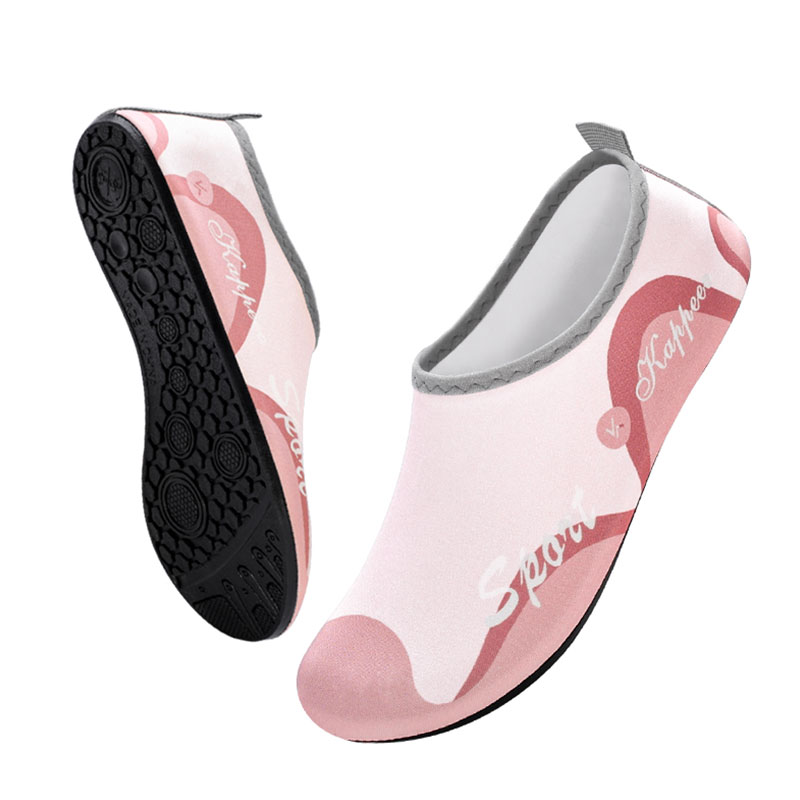
When evaluating products, consumers must look past aesthetics. The true performance of aquatic footwear relies heavily on material science and structural engineering. Let's look at the specific parameters you should check before buying.
The outsole is arguably the most critical component. The industry standard for high-quality aquatic grip is TPR (Thermoplastic Rubber). It combines the slip resistance of natural rubber with the durability of plastic.
Recently, we have seen a significant shift in the aquatic footwear industry regarding materials. Market analyses show that today's buyers are increasingly looking for hybrid, eco-conscious designs rather than single-use pool socks. In response, the industry is moving towards advanced, sustainable TPR blends. These new materials offer superior multidirectional grip and seamlessly transition from a morning swim to an afternoon hiking trail, all while meeting stricter environmental standards.
When shopping for anti slip aqua shoes, material alone is not enough. The tread pattern is vital. Look for outsoles featuring "siping"—a series of thin slits cut across the rubber surface. When the foot flexes, these slits open to channel water away, preventing hydroplaning. Hexagonal and wave-patterned treads are also highly effective at dispersing water laterally.
A shoe that holds water becomes heavy, uncomfortable, and alters your natural gait. Premium models feature integrated drainage systems. This usually involves physical holes molded directly into the rubber sole, covered by a fine metal or fabric mesh to prevent debris from entering from the bottom. When you step out of the pool, gravity immediately pulls the water down and out through the sole, rather than forcing it to slowly seep out through the upper fabric.
Once out of the water, the shoe must dry rapidly to prevent chafing and bacterial growth. Genuine quick-drying capabilities rely on hydrophobic (water-repelling) materials. Upper constructions utilizing open-weave polyester mesh, spandex, and thin neoprene ensure that air can circulate freely around the foot. Cotton and heavy foams should be strictly avoided, as they retain moisture for hours.
A poorly fitting water shoe is a major source of discomfort. Sizing for aquatic environments requires a slightly different approach than sizing for standard athletic sneakers.
Water shoes must fit tighter than your everyday street shoes. When fabrics like spandex and neoprene become wet, they naturally relax and expand slightly. If you purchase a water shoe with a loose, roomy fit while dry, it will become sloppy and unstable once submerged. The shoe should conform tightly to the contours of your foot without painfully compressing your toes.
Heel slippage in wet conditions causes severe friction. This leads to painful blisters that can quickly ruin a vacation. When trying on shoes, pay close attention to the heel collar. It should cup the Achilles tendon securely. Additionally, check the interior stitching. High-quality models feature seamless interiors or flatlock stitching to ensure no rough edges rub against the wet, softened skin of your heel.
When outfitting children for aquatic environments, parents must prioritize safety, structural support, and ease of use. Children are naturally active, and their spatial awareness on slippery surfaces is still developing.
One of the most common practical challenges is putting footwear on a squirming toddler whose feet are wet and covered in sunscreen. Water increases skin friction, making standard slip-on designs frustrating. To mitigate this, look for footwear engineered with wide entry collars, robust Velcro straps, and large heel pull-tabs. These features allow the shoe to be opened completely, accommodating the foot without excessive pushing or pulling.
The structural environment of public pools and splash pads is predominantly concrete and hard ceramic tile. Children running hastily near pool edges frequently stub their toes. To provide adequate protection, quality pediatric water shoes must incorporate reinforced toe bumpers. This thickened layer of rubber acts as a shock absorber, diffusing the kinetic energy of an impact before it reaches the child's toes.
The specific aquatic environment you plan to visit should dictate the type of footwear you select. Visualizing the specific use case helps align your needs with the correct product features.
Modern water parks require extensive walking on rough, hot concrete. You will climb metal staircases and wade through wave pools. This environment requires footwear that functions as a hybrid between an aquatic sock and a walking sneaker. It must provide the necessary arch support to prevent foot fatigue during an 8-hour day. Meanwhile, the thick anti-slip sole ensures stability when transitioning constantly from wet attractions to dry concession areas.
At local municipal pools and community splash pads, the primary concerns are hygiene and slip prevention. In these settings, dedicated non slip pool shoes are incredibly effective. They provide the necessary micro-grip on wet ceramic tiles and protect against locker room bacteria, all without feeling overly bulky when jumping in and out of the water.
Investing in high-quality footwear is only the first step. Proper maintenance is required to preserve their structural integrity and hygienic properties. Aquatic environments expose materials to harsh elements.
The most critical maintenance step occurs immediately after use. Chlorine, bromine, and saltwater are highly abrasive and oxidative. If allowed to dry on the shoes, these elements will break down the elasticity of spandex and mesh, leading to a brittle upper. Always rinse your quick dry swimming footwear thoroughly with clean, fresh, cold water immediately after exiting the pool or ocean.
Improper drying is the leading cause of premature footwear failure. Never place your aquatic footwear in a tumble dryer. The high heat will melt the industrial adhesives and warp the rubber outsoles. Instead, air-dry the shoes in a well-ventilated, shaded area. To expedite the process, you can loosely stuff the toe box with a microfiber towel to absorb internal moisture.
Yes. Lightweight aqua socks and streamlined aquatic shoes are specifically designed to minimize water resistance. They fit tightly to the foot, allowing you to swim comfortably and maintain your natural stroke while still protecting your soles from rough pool bottoms.
Most water parks allow aquatic shoes on tube slides, lazy rivers, and in wave pools. However, high-speed body slides or enclosed flumes may require you to remove them to prevent friction against the slide surface. Always verify the specific park's dress code and ride rules upon arrival.
Unpleasant odors are caused by bacteria and dead skin cells trapped in damp materials. To prevent this, always rinse your shoes with fresh water after every use, wash them occasionally with mild soap, and ensure they are 100% air-dried in a well-ventilated area before storing them in a gym bag or closet.
Generally, if your measurement falls between two sizes, it is highly recommended to size down. Aquatic footwear must fit snugly, acting like a second skin. This ensures they do not fill with heavy water, cause friction blisters, or slip off your feet while swimming.
Minimalist aqua socks provide a barefoot feel and offer zero arch support. However, heavier-duty models designed specifically for water parks and rocky beaches often feature molded EVA insoles and thicker midsoles. These provide adequate structural support for walking and standing all day.
Absolutely. While designed for pools, high-quality water shoes are excellent for the beach. They protect your feet from burning hot sand, sharp seashells, and hidden rocks in the surf. Just ensure you choose a model with a fine mesh upper to prevent coarse sand from getting trapped inside.
They should feel comfortably snug, similar to a tight pair of socks. Your toes should touch the end without curling, and the heel should not slip when you walk. Remember that materials like spandex and neoprene will loosen slightly once they are completely soaked in water.
Choosing the right aquatic footwear is an essential step in ensuring both safety and comfort during your water-based activities. By prioritizing a strong TPR rubber grip, highly efficient drainage systems, and a snug, blister-free fit, you can confidently protect your feet in any unpredictable aquatic environment. High-quality footwear effectively prevents severe injuries at slick pools and rough water parks, allowing you and your family to enjoy your vacation without the constant worry of slips or burns.
Ready to upgrade your aquatic safety? Do not leave your foot protection to chance. Whether you need minimalist socks for lap swimming or heavy-duty footwear for all-day water park adventures, investing in engineered grip makes all the difference. Explore our professional-grade, customizable options at Surgewalk today, and find the perfect pair to keep your next trip safe, hygienic, and comfortable.


