 English
Views: 0 Author: Site Editor Publish Time: 2026-05-13 Origin: Site


Walking across a wet pool deck often feels like navigating an ice rink. Smooth porcelain tiles and hidden puddles combine to create a slick surface offering almost zero friction. Many swimmers mistakenly believe standard flip-flops or open sandals provide adequate safety in these environments. In reality, everyday EVA foam creates a dangerous "hydroplaning" effect on wet tile. This false sense of security leaves you highly vulnerable to catastrophic slips and sudden falls.
Fortunately, specialized slip-resistant pool shoes do exist to effectively mitigate these risks. You will learn how to properly evaluate specific outsole physics, secure footwear fits, and active material drainage. We will show you exactly what to look for beyond generic "water shoes" so you can make informed decisions.
Traction Physics: Effective pool shoes rely on soft rubber and "razor siping" (tiny slits) rather than deep, aggressive treads.
Hygiene & Health: Proper closed or semi-closed pool shoes protect against fungal infections (athlete's foot) common in public pools.
Fit is Safety: A shoe that slips internally is just as dangerous as a slippery outsole; customized or secure fits are mandatory.
Specialized Needs: Seniors and individuals with neuropathy require wide toe boxes and zero-pressure uppers for safe aqua therapy.
Many recreational water shoes prioritize rapid drainage above all else. Manufacturers often build them using cheap, hard plastic soles. These rigid plastics offer absolutely no grip on smooth, wet porcelain or sealed concrete. When you step onto a wet pool deck, a thin layer of water becomes trapped under the hard plastic. This creates a hydroplaning effect. You lose all traction instantly.
Standard flip-flops present an even greater danger. Open-heeled flip-flops force your toes to grip the footbed constantly. This alters your natural walking gait. A modified gait reduces your balance and significantly increases the likelihood of catastrophic slips. Furthermore, traditional flip-flops lack lateral support. Your heel can easily slide off the side of the sandal during a sudden movement.
Grip on wet surfaces requires specific physical engineering. We must examine the actual science of traction. Footwear designers utilize two primary tread methods: deep lugs and razor siping. They serve entirely different environments.
Deep lugs feature chunky rubber treads designed for mud, loose dirt, and trail hiking. They dig into soft ground to find traction. However, on a flat, wet pool tile, deep lugs actually reduce the surface contact area. Less rubber touches the floor. This makes them highly dangerous around swimming pools.
Razor siping involves cutting micro-slits into soft rubber outsoles. When you apply body weight, these tiny slits open up. They actively channel water away from the impact zone. This maximizes the surface contact area between the soft rubber and the smooth tile. You get exceptional grip precisely where you need it.
Tread Feature | Ideal Environment | Performance on Wet Tile | Mechanism of Action |
|---|---|---|---|
Deep Lugs | Mud, Trails, Snow | Poor / High Slip Risk | Digs into soft terrain; reduces flat surface contact. |
Hard Plastic Flats | Sand, Carpet | Extremely Dangerous | Traps water underneath, causing rapid hydroplaning. |
Razor Sipes | Pool Decks, Boats, Wet Tile | Excellent / Maximum Grip | Expels water outward; maximizes soft rubber contact. |
Purchasing the right pool footwear requires moving beyond aesthetics. You must evaluate the structural components engineered into the shoe. Use the following criteria to assess any potential footwear choice.
Outsole Material & Flexibility: Look for highly flexible, soft rubber compounds. Soft rubber conforms naturally to flat surfaces. You can test flexibility by bending the shoe in half. If the sole feels stiff or resists bending, it will likely fail to grip smooth wet tile.
Drainage and Quick-Dry Capabilities: The shoe must shed water instantly. Holding water causes waterlogging. A waterlogged shoe drags heavily and tires your legs. Evaluate the upper materials. Look for open mesh weaves or fast-draining bottom ports. These features evacuate water the moment you step out of the pool.
Internal Security (The "In-Shoe" Slip): A wet foot sliding around inside the shoe creates immense danger. This internal slip throws off your balance immediately. Secure fits prevent this hazard. Evaluate closure mechanisms carefully. Look for sturdy heel pull-tabs, secure ankle collars, or adjustable closures like Velcro straps and bungee laces. They lock the foot securely in place.
Infection Control (Hygiene): Public pool decks harbor massive bacterial loads. Frame your shoe as a physical barrier against pool deck bacteria, verrucas, and athlete’s foot. Quick-drying materials prevent the shoe itself from becoming a dark, damp fungal breeding ground. Avoid thick cotton linings entirely.
Many buyers ignore the internal security aspect. They purchase a shoe simply because it feels comfortable when dry. Once saturated, the material stretches. Your foot slides forward, crushing your toes against the front. Always ensure the closure system can tighten adequately when the footwear becomes completely submerged.
For many individuals, pool shoes represent a medical necessity rather than a leisure accessory. When people recover from surgery, participate in aqua aerobics, or navigate severe mobility issues, slip-resistance becomes a critical safety requirement. A simple slip for a healthy adult might cause a bruise. For a senior citizen, that same slip often results in a fractured hip or shattered wrist.
Patients dealing with neuropathy or arthritis face unique challenges. Neuropathy causes a loss of sensation in the feet. You might not feel a blister forming or a rock trapped inside the shoe. Arthritis causes severe joint pain, making tight footwear agonizing. Therapeutic needs dictate specific footwear engineering.
Wide Toe Boxes: Traditional water shoes taper sharply at the front. This compresses the toes tightly. Wide toe boxes prevent nerve compression entirely. They allow your toes to splay naturally across the footbed. Natural splay improves your balance significantly. You need this stability when navigating submerged pool stairs.
Zero Top-Pressure: Look for soft, seamless uppers. Stiff seams rub against sensitive skin. They cause painful friction on swollen joints. A zero top-pressure design ensures the upper material stretches gently over deformities without causing abrasions.
Arch Support & Cushioning: Avoid "barefoot" minimalist soles if you suffer from joint pain. Minimalist soles offer zero shock absorption. Look for options providing structured arch support. Substantial cushioning absorbs the heavy impact of pool steps and hard concrete decks.
If you fit into any of these high-risk profiles, standard off-the-shelf options usually fail to provide adequate protection. You need footwear specifically tailored to foot pathologies. Finding Custom Non-Slip Pool Shoes ensures you receive the exact width, support, and soft upper materials required for safe aquatic therapy.
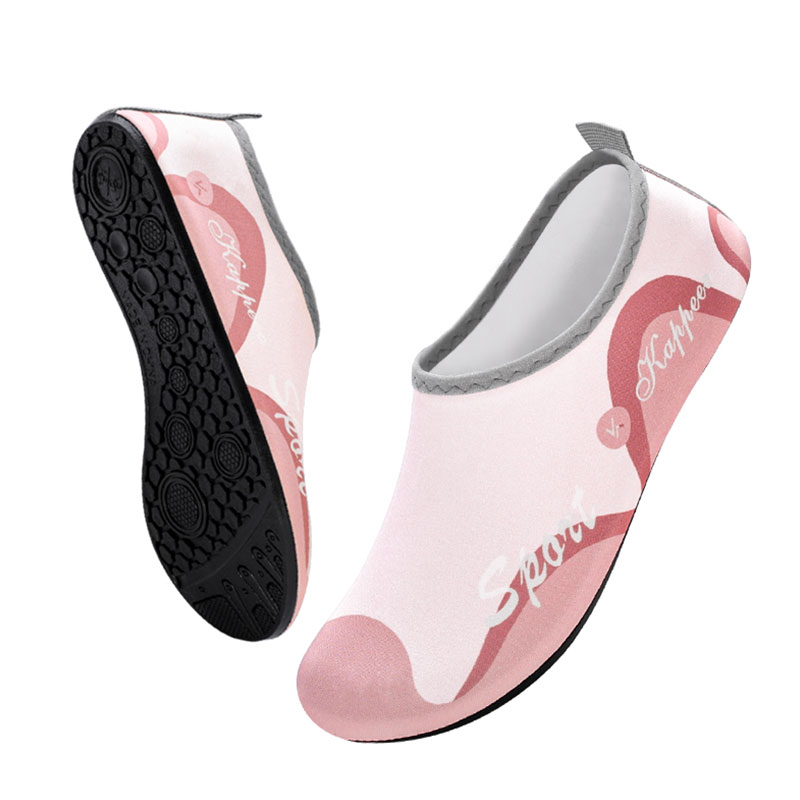
Water enthusiasts rarely restrict themselves to pristine indoor environments. Many people transition directly from resort pools to coastal exploring or wild swimming. Your footwear must handle these drastic environmental shifts.
Wild swimming introduces unpredictable hazards. You cannot see the bottom of a murky lake or a coastal inlet. Hazard protection becomes paramount. Closed-toe designs protect your feet against hidden underwater dangers. You must defend against sharp rocks, broken glass, slick algae patches, or toxic wildlife like weever fish. Open sandals leave your toes completely exposed to these severe laceration risks.
Thermal insulation also plays a major role in wild swimming. Cold water numbs the extremities quickly. Numb feet lose proprioception, making you clumsy and prone to tripping. Neoprene booties offer excellent thermal protection. They trap a thin layer of water against your skin. Your body heat warms this water, creating an insulating barrier.
However, neoprene presents a major drawback. When your hands freeze in cold coastal waters, taking off tight wet neoprene becomes incredibly difficult. The material creates a strong suction effect against your skin. Always look for designs incorporating oversized heel pull-tabs. A sturdy pull-tab allows you to forcefully remove the shoe even when your fingers lack grip strength. This small design feature makes a massive difference during frigid transitions.
Mass-market water shoes flood retail stores every summer. These off-the-shelf "shower shoes" appeal to budget-conscious shoppers. However, they routinely lack the structural integrity required for long-term safety. They utilize flat insoles lacking proper arch support. They rely on generic sizing molds causing loose, sloppy fits. A loose fit guarantees internal slipping.
Customization matters immensely when evaluating safety equipment. When you invest in Custom Non-Slip Pool Shoes, you secure a definitive bottom-of-the-funnel solution. Tailoring the fit delivers measurable safety improvements. Custom options easily accommodate specialized orthotics. They match exact foot widths perfectly. They utilize premium siped rubber instead of cheap PVC.
Consider the concept of cost versus consequence. A premium custom shoe represents a higher initial investment than a cheap foam slide. Yet, you must compare this purchase against the severe physical and financial consequences of a slip-and-fall injury on a pool deck. An emergency room visit, months of physical therapy, and lost mobility far outweigh the price tag of properly engineered footwear.
Feature Category | Mass-Market "Shower Shoes" | Custom Non-Slip Options |
|---|---|---|
Fit & Sizing | Generic whole sizes only; prone to internal slipping. | Exact width matching; accommodates orthotics securely. |
Traction Base | Hard EVA foam or cheap PVC plastic. | Soft vulcanized rubber featuring razor siping. |
Support Structure | Flat footbed; zero shock absorption. | Engineered arch support; impact-absorbing heel cups. |
Durability | Degrades rapidly under chlorine exposure. | Chlorine-resistant materials designed for longevity. |
Engineering matters. A customized fit prevents blisters, stops internal sliding, and anchors the siped rubber firmly against the wet tile. You gain confidence knowing your footwear actively prevents accidents rather than just passively covering your feet.
Preventing dangerous slips requires an engineered approach to footwear. You cannot rely on standard flip-flops or cheap recreational water shoes. True safety demands soft rubber outsoles, active razor siping, and a highly secure fit. We have explored how proper drainage prevents waterlogging and how zero top-pressure designs protect sensitive feet.
Take the following steps to secure your safety:
Assess your primary environment. Determine if you strictly need indoor pool traction or rugged closed-toe protection for wild swimming.
Evaluate your medical profile. Identify if you need wide toe boxes or custom orthotic support.
Review custom sizing charts carefully. Never settle for a loose, sloppy fit.
Invest in premium razor-siped outsoles to maximize your surface contact area.
A: No. They are specifically designed to be highly water-resistant and fast-draining. The goal is to evacuate water quickly, not keep the foot dry. Waterproof shoes would simply trap water inside once submerged, creating a heavy, uncomfortable anchor on your foot.
A: Not recommended. Running shoes act as sponges, becoming incredibly heavy. This throws off your balance in the water. Furthermore, standard athletic shoe glues and foams deteriorate rapidly from continuous chlorine and saltwater exposure.
A: Rinse thoroughly with fresh water immediately after use to remove salt or chlorine. Air dry them completely away from direct, baking sunlight. Intense UV rays will rapidly degrade and harden the soft rubber outsoles, ruining their slip-resistant properties.
A: Yes. By acting as a barrier between your foot and high-traffic, continuously wet areas (like public showers and pool perimeters), they significantly mitigate exposure to fungal pathogens. Always ensure your shoes dry fully between uses to maintain this hygienic barrier.


