 English
Views: 0 Author: Site Editor Publish Time: 2026-04-03 Origin: Site


Planning your next aquatic resort getaway often brings up a common dilemma. You want to travel light. You also dread stepping on scorching pavement. Leaving extra gear behind sounds appealing until you face rough, abrasive pool floors. Bare feet simply cannot handle the harsh environments typical of modern resorts. While rarely mandatory for admission, wearing footwear remains standard practice for basic safety and hygiene. Choosing the right Water Park Shoes requires you to navigate specific ride restrictions carefully. You must balance comfort trade-offs while avoiding sudden material failures. In this comprehensive guide, we explore the distinct hazards of aquatic terrains. You will discover how industry-standard slide policies dictate your footwear choices. We will also break down the criteria for selecting durable, hardware-free aquatic footwear designed to survive your entire trip.
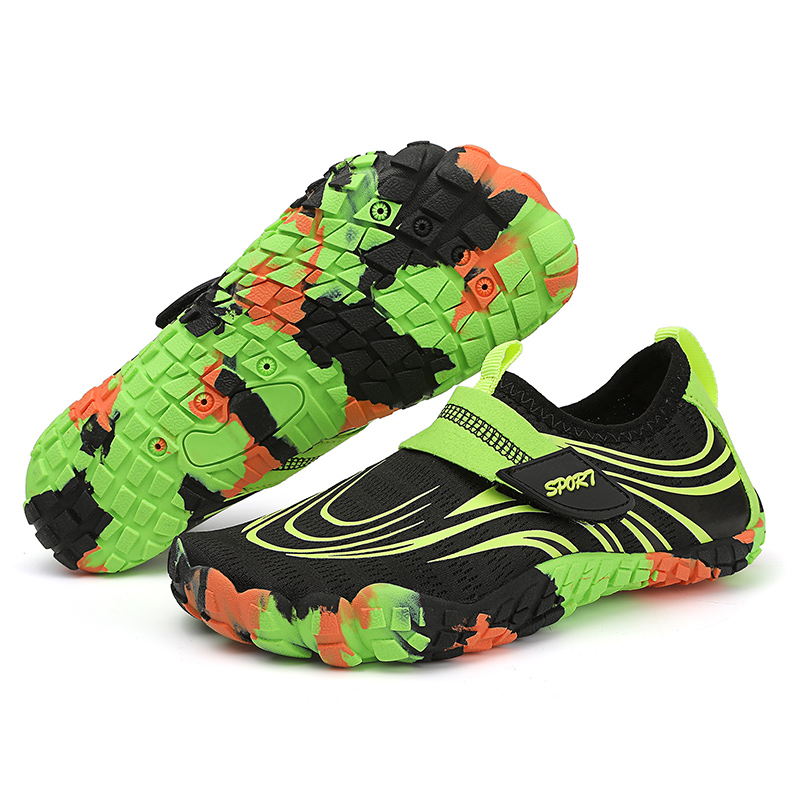
Water shoes are highly recommended to prevent thermal burns from concrete, abrasions from wave pools, and bacterial exposure in public areas.
Most water parks restrict footwear on high-speed or body slides; expect to hold your shoes or leave them at the slide base.
Avoid footwear with metal zippers or buckles, as these violate park dress codes due to slide damage risks.
Secure, closed-toe designs with sewn-in insoles outperform flip-flops and cheap slip-ons during active water park use.
Exploring aquatic resorts completely barefoot might seem liberating. However, this choice quickly exposes you to serious physical risks. The terrain inside these resorts presents multiple hidden dangers. Walking barefoot forces your skin to endure extreme temperatures, rough textures, and invisible biological threats. We must examine the primary hazards you face.
Concrete pathways absorb intense ultraviolet radiation during peak midday hours. The surface temperature rises rapidly. Walking across sun-baked pavement can cause severe thermal burns. You might develop painful blisters simply by walking from a lounge chair to the snack bar. Proper footwear provides a crucial thermal barrier.
Park designers prioritize slip resistance. They texture splash pad concrete and wave pool floors aggressively. This texture acts like sandpaper against bare skin. Wave pools constantly shift your balance. They push you across these abrasive floors. You can easily scrape your toes or tear the skin off your soles. High-friction surfaces demand physical foot protection.
Public bathrooms, locker rooms, and standing water zones harbor biological threats. Warm, damp environments breed bacteria. They also cultivate fungi and viruses. Walking barefoot exposes you directly to athlete's foot and plantar warts. Covering your feet creates a sanitary shield against these common public pool infections.
Visitors often overlook the risk of blunt force foot injuries. Crowded paths create chaotic foot traffic. People bump into each other constantly. Someone might step heavily on your unprotected toes. You also share pathways with heavy strollers, mobility scooters, and wheelchairs. A collision causes significant bruising or broken toes. Solid toe protection prevents these agonizing vacation-ending injuries.
You cannot simply wear your footwear everywhere. Aquatic resorts enforce strict safety guidelines. They manage millions of visitors yearly. We must understand how these rules impact your daily navigation.
Major operators like Disney and Legoland utilize an industry-standard policy. They actively encourage footwear in pedestrian zones. You can wear them safely in lazy rivers, wave pools, and splash pads. However, operators strictly regulate or ban footwear on active slides. You must transition between wearing and carrying your gear constantly.
Park Zone / Ride Type | Footwear Permitted? | Typical Enforcement Action |
|---|---|---|
Walkways & Dining Areas | Yes | Highly encouraged for safety. |
Wave Pools & Lazy Rivers | Yes | Must remain tightly secured to feet. |
Body Slides | No | Remove shoes. Hold them across your chest during the slide. |
High-Speed/Enclosed Slides | Strictly No | Leave footwear completely at the slide base before climbing stairs. |
Park engineers base these bans on pure physics. High-friction rubber soles grip tightly. Fiberglass slides require low friction for safe passage. If a rubber sole touches the slide wall at high speeds, your foot stops instantly. Your body keeps moving forward. This sudden stop causes severe ankle sprains or leg fractures. Operators eliminate this risk by banning footwear during the descent.
You will encounter two main enforcement methods. On standard body slides, lifeguards require you to take off your shoes. You must hold them tightly across your chest. You put them back on at the bottom pool. Conversely, high-speed drop slides do not allow you to hold anything. You must leave your footwear in a designated cubby at the bottom. You then climb the tower barefoot.
Parks strictly prohibit specific hardware. Do not buy footwear featuring metal buckles, sharp zippers, or hard plastic grommets. These materials scratch and destroy expensive fiberglass gel-coats. Lifeguards will spot these features immediately. They will deny you entry to the attraction entirely. Stick to soft materials, bungee cords, or velcro straps.
Not all aquatic footwear performs equally. Buyers face three primary categories. Each category presents unique benefits and significant flaws. We must evaluate them based on practical resort usage.
Shoe Category | Pros | Cons |
|---|---|---|
Flip-Flops | Easy to kick off at slide entrances. Fast drying. | Unsafe for wet walking. High risk of floating away in wave pools. |
Cheap Slip-Ons | Low upfront cost. Lightweight. | Glued insoles peel off easily. Cause severe friction blisters. |
Purpose-Built Sandals | Excellent heel securement. Superior arch support. No insole risks. | Can be bulky to hold on rides. Longer dry times for fabric straps. |
Many visitors choose flip-flops for convenience. You can easily kick them off before a slide. However, they fail miserable in active environments. They offer zero lateral support. Your foot slides around on the wet footbed. This creates a severe tripping hazard on stairs. Furthermore, strong wave pool currents will easily strip them off your feet.
These lightweight options tempt buyers with low prices. You slip them on quickly. Unfortunately, they contain a critical failure point. Manufacturers glue the thin insoles down. Pool chlorine dissolves cheap adhesive rapidly. The insole detaches while you walk. It bunches up under your heel or toes. This bunching causes agonizing friction blisters within hours.
High-quality brands utilize superior construction. Options like Keens, Tevas, or Crocs feature active heel straps. They provide excellent securement against aggressive water currents. They also offer real arch support for walking long miles. They eliminate the detached insole risk entirely. However, they carry minor drawbacks. They feel bulkier when held across your chest on slides. Certain fabric-heavy models also require much longer dry times.
Selecting the ideal pair requires careful inspection. You must ignore generic beach shoes. You need gear engineered specifically for resort dynamics. Look closely at these four critical criteria when shopping for Water Park Shoes.
Fit & Retention: Emphasize snug sizing. Most rubber models do not float. If a shoe slips off in the deep end, it sinks forever. You must secure it tightly. Look for adjustable bungee laces or strong velcro straps. A secure fit survives the strongest wave pool currents.
Construction Integrity: Avoid cheap glued inserts. You must check the interior assembly. Choose one-piece molded construction. If the shoe contains an insole, verify it utilizes strong stitching. Stitched-down insoles prevent wet-friction peeling entirely.
Drainage vs. Protection: You need a smart balance. A good shoe sheds water instantly. Look for breathable mesh uppers or dedicated drainage ports along the sole. Pair this drainage with a reinforced closed-toe rubber bumper. This bumper protects your toes against stubbing on concrete stairs.
Sole Traction: Ignore deep, aggressive hiking lugs. Large lugs trap water on flat tiles. They cause dangerous hydroplaning. Instead, look for multidirectional siping. Siping consists of tiny slits cut into the rubber. These slits expand when you step. They channel water away and grip wet tile surfaces perfectly.
Buying great gear solves only half the problem. You must wear it correctly. Long hours in chlorinated water change how your skin behaves. We gathered essential strategies to keep your feet healthy all day.
Never wear brand-new gear on your first vacation day. Wet skin softens dramatically. It becomes highly susceptible to blisters. A shoe fitting perfectly dry might rub aggressively when wet. You must break them in before your trip. Wear them around your neighborhood. Get them wet in your shower. Identify any hot spots early.
Many visitors forget basic sun protection on their feet. Wearing mesh designs or strapped sandals exposes the top of your foot. These areas rarely see direct sunlight otherwise. UV rays penetrate wet mesh easily. Applying waterproof sunscreen to the tops of your feet is non-negotiable. Reapply it every two hours.
Proper care extends material lifespan significantly. Pool chlorine and body salts degrade rubber quickly. They also rot fabric stitching. Provide clear care immediately after leaving the resort. Rinse the gear thoroughly using clean, fresh water. Hang them to air-dry completely. Do not leave them stuffed in a dark plastic bag. Trapped moisture accelerates severe mildew degradation.
Navigating an aquatic resort safely requires smart preparation. Protecting your feet transforms a painful experience into a comfortable adventure. Bare feet simply invite thermal burns, abrasions, and bacterial risks. Proper footwear eliminates these threats.
Always prioritize hardware-free, closed-toe designs.
Ensure an adjustable fit to combat strong wave currents.
Understand the "walk yes, slide no" rule to avoid delays.
Never skip sunscreen on the exposed tops of your feet.
Wearing appropriate aquatic gear is the smartest choice you can make. It protects you through miles of wet concrete walking. Before finalizing your purchase, review your specific destination's official FAQ. Unique ride restrictions dictate exactly what styles you can carry on slides. Plan ahead, secure your footwear, and enjoy your trip comfortably.
A: Yes. Wearing them is highly recommended. Wave pool floors utilize rough textures. These textures easily scrape bare toes. However, ensure they feature adjustable straps. Loose slip-ons will quickly wash away in the strong artificial currents.
A: No. Most models feature heavy rubber soles for traction. If they slip off in deep water, they sink rapidly to the bottom. Achieving a snug, tight fit remains critical to prevent permanent loss.
A: No. Standard sneakers act like heavy sponges. They absorb massive amounts of water. This weighs you down dangerously. Furthermore, street shoes violate standard pool sanitary guidelines. Lifeguards will ask you to remove them immediately.
A: Yes. Parks accept Crocs in wet areas. You must engage the heel strap for safety. They drain well and avoid insole peeling. However, they offer less lateral ankle support compared to dedicated aquatic lace-up models.


