 English
Views: 0 Author: Site Editor Publish Time: 2026-05-22 Origin: Site


Runners and fitness enthusiasts often seek alternatives to repetitive gym routines. You might feel tired of heavy weighted squats. Endless lunges can become mentally exhausting over time. Many people question whether cardiovascular exercises can actually build lower-body muscle. Traditional steady-state cardio on flat pavement rarely builds muscle size. However, the reality of off-road running tells a completely different story. Unlike flat road running, trail running acts as a dynamic compound exercise. It provides serious weight-bearing resistance.
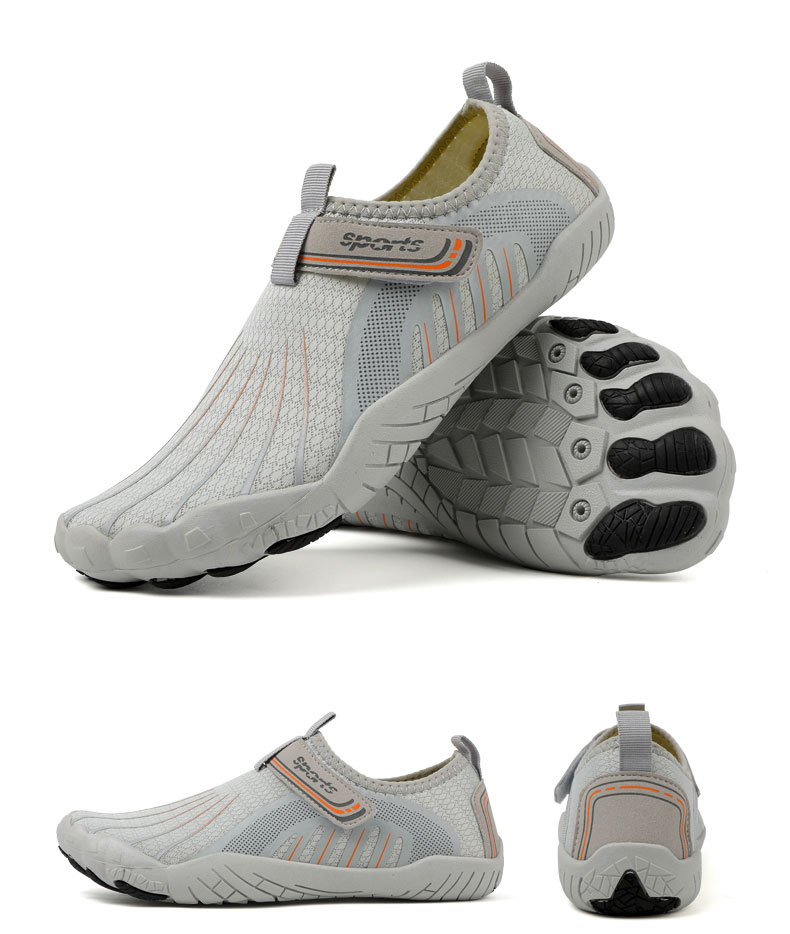
The unpredictable terrain forces your stabilizing muscles into constant engagement. This makes it a highly effective modality for gluteal strength. You can develop incredible posterior power outside the traditional gym. Executing this safely requires the right approach and proper technique. Yielding surfaces like sand or wet rocks demand specific footwear. Shifting from standard road gear to purpose-built options like Coastal Trail Running Shoes ensures proper force transfer. It also prevents compensatory injuries. In this guide, we will explore the biomechanics of off-road glute activation. You will learn how terrain impacts muscle hypertrophy. Finally, we will cover essential technique adjustments and equipment choices.
Biomechanical Advantage: Trail running forces the gluteus maximus to drive uphill propulsion, while the gluteus medius and minimus work continuously to stabilize the pelvis on uneven ground.
Terrain Dictates Engagement: Yielding surfaces (like sand or mud) demand higher power output per stride, significantly increasing glute activation compared to paved roads.
Technique Over Tension: Proper glute engagement comes from relaxing the hip flexors and focusing on a backward push, rather than consciously "clenching" the muscles.
Gear Dictates Safety: Evaluating and investing in specific footwear, such as coastal trail running shoes, is non-negotiable for maintaining lateral stability and preventing ankle or knee injuries during off-road lower-body conditioning.
The gluteus maximus serves as your body’s primary powerhouse. It generates the massive forward thrust you need. Every uphill stride requires maximum hip extension. This movement effectively mirrors the mechanics of a weighted lunge. It also mimics a heavy box step-up. You push against gravity to move your body mass upward. The steeper the hill, the harder your muscles contract.
Uneven terrain creates a unique "standing plank" stabilization effect. You must constantly adjust your foot placement laterally. Your gluteus medius and minimus must fire continuously. They prevent pelvic drop during the single-leg stance phase. They stop lateral sway from side to side. These muscles act together as a dynamic core stabilizer. When you run over roots, your body heavily recruits these smaller muscles. They work overtime to keep your torso upright.
Road running encourages a very linear stride. It is highly repetitive and highly predictable. This often leads to quad-dominant running mechanics. Pavement requires minimal lateral adjustment from the hips. Trail running entirely disrupts this predictable pattern. It forces you through varying incline degrees. Unpredictable foot placements activate fast-twitch muscle fibers. You cannot simply coast on your momentum. Your posterior chain remains constantly engaged. It must absorb sudden shock and generate explosive power.
Metric | Road Running | Trail Running |
|---|---|---|
Primary Muscle Focus | Quadriceps, Calves | Glutes, Hamstrings, Core |
Stride Pattern | Linear, Repetitive | Multi-directional, Variable |
Stabilization Need | Low | High (Gluteus Medius/Minimus) |
Impact Absorption | High Repetitive Joint Shock | Dispersed Muscular Load |
Gravity becomes your primary resistance tool on the trail. The steeper the gradient, the higher the muscular resistance. A 10-degree incline effectively doubles your energy expenditure. It drastically increases the muscular load compared to flat ground. You must forcefully drive your leg backward to climb. This directly targets the thick muscle fibers in your glutes. Progressive overload happens naturally as you seek steeper outdoor paths.
Yielding surfaces demand even more from your lower body. Running on beaches removes the energy return of pavement. Sand and soft mud absorb your kinetic energy entirely. Your leg must generate 100 percent of the push-off force. This lack of bounce forces your glutes to work significantly harder. Every single step requires maximum voluntary contraction. It often feels like running through deep water.
You cannot effectively build muscle on shifting surfaces without traction. Your foot needs proper grip to generate backward force. This is where Coastal Trail Running Shoes become absolutely critical. They provide the specialized grip you desperately need. A wider base helps transfer power from your glutes directly to the ground. You avoid losing precious energy to internal slippage. Proper footwear prevents the dangerous sliding motion common on soft coastal paths. It locks your foot firmly in place for a powerful stride.
Transitioning to trails requires abandoning standard road-running cadences. You must alter your typical rhythm immediately. Strides must be shortened to maintain balance. Keep your center of gravity directly over your feet. This minimizes the dangerous risk of overstriding. Overstriding puts extreme braking force on your knee joints. It also causes severe hamstring strains during sudden slips.
Postural Alignment: Relax your tight hip flexors first. This allows for full and proper hip extension. Tension in the front restricts movement in the back. You cannot engage your glutes if your hips remain flexed forward.
Dynamic Push-Off: Focus your power accurately. Apply force the exact moment your foot leaves the ground behind your body. Ensure a fluid backward extension rather than a forward pull. Imagine pushing the earth away behind you.
Downhill Control: Treat descents as intense eccentric muscle training. Maintain a slight squat posture as you descend. This lowers your center of gravity significantly. It protects your vulnerable knees while effectively loading your glutes.
Trail running demands a major shift in success criteria. You must evaluate workouts differently now. Measure your sessions by duration rather than total distance. This simple shift helps prevent common overuse injuries. A 3-mile trail run places significantly higher stress on your lower body. It is much harder physically than a 3-mile road run. Focus entirely on the time spent under tension. Staring straight down at your toes is a common mistake. Look 10 to 15 feet ahead to maintain balance and proper posture.
Standard road shoes quickly fail in rugged outdoor environments. They completely lack internal torsional rigidity. They do not have multi-directional lugs underneath. Wearing them leads to severe instability on wet rocks. You experience dangerous energy leaks in soft sand. Your knees and ankles compensate for the total lack of grip. This frequently causes painful IT band syndrome. You will struggle constantly when navigating unpredictable, shifting trails.
You need specific features for off-road biomechanical success. Pay close attention to these key purchasing criteria.
Traction and Lug Depth: This feature is absolutely essential. Wet rocks and loose dirt demand deep rubber lugs. Packed sand requires an aggressive outsole pattern to prevent backward sliding.
Midsole Stability: A firm midsole prevents excessive lateral rolling. It allows your gluteus medius to focus on pelvic stabilization. Your muscles shouldn't waste energy compensating for a collapsing foam shoe.
Upper Durability and Debris Management: Tightly woven uppers prevent sand and grit ingress. Specialized materials keep out sharp coastal pebbles. This drastically reduces friction blisters during long coastal endurance runs.
Assess your primary local terrain before buying. Determine if you mostly run on loose beach sand. You might prefer rocky coastal cliffs instead. This assessment helps you choose the exact lug depth needed. It also dictates the ideal cushioning profile. Investing in the right Coastal Trail Running Shoes is vital. It guarantees safety during your intense lower-body conditioning sessions.
Some people seek pure hypertrophy without high-impact running. Integrating a weighted pack into your routine offers great physical benefits. We call this weighted hiking or rucking. Adding weight on steep trails introduces safe progressive overload. You force your glutes to lift much heavier loads. A smart implementation tip involves using water bladders for your pack weight. You can easily empty the water before steep descents. This brilliant trick saves your joints from excessive downhill braking stress.
Always pair trail running with targeted activation exercises. Off-road miles alone will not magically fix deep physiological weaknesses. Add specific movements to your weekly strength routine. Try deep goblet squats and lateral resistance band walks. Incorporate weighted hip bridges on your active recovery days. These movements correct existing muscular imbalances quickly. They ensure your glutes fire efficiently before you hit the dirt. Weak hips lead to knee pain on the trail. Strong hips power you safely up the steepest coastal cliffs.
Trail running acts as a phenomenal physical stimulus for the posterior chain. You achieve deep muscular fatigue without the boredom of indoor gym machines. Keep your expectations completely realistic regarding visible size increases. True hypertrophy requires a caloric surplus and structured heavy lifting. You should view your off-road miles as functional strength builders. They perfectly complement your overall fitness routine.
Run by the clock rather than mileage to manage your physiological load safely.
Focus purely on rear-drive push-off mechanics to maximize hip extension.
Equip yourself with dedicated off-road footwear to eliminate power loss and stabilize your ankles.
Treat downhill sections as eccentric strength training by maintaining a slight athletic squat.
A: It primarily builds functional strength, incredible endurance, and dense muscle tissue. You will notice much firmer and more powerful glutes. However, significant size increases require a specific caloric surplus. You must often combine running with heavy progressive resistance training to achieve pure bodybuilding-style hypertrophy.
A: It is highly discouraged. Regular road shoes lack essential lateral support and aggressive grip. They slip easily on wet rocks and sink deep into sand. This forces your knees and ankles to compensate heavily. Such instability negates the biomechanical benefits to your glutes and severely increases your injury risk.
A: Consistency dictates your success. Try integrating two to three trail sessions per week into your routine. Combine this effort with adequate recovery sleep and high protein intake. You typically notice major strength and stability improvements within six to eight weeks.


