 English

Views: 0 Author: Site Editor Publish Time: 2026-09-24 Origin: Site


Imagine stepping out onto the coastline, eager for a perfect afternoon. You sprint toward the water, only to find yourself agonizingly tiptoeing across scorching midday sand. Your feet burn with every step. Perhaps you have stepped on a jagged oyster shell hidden just beneath the surface, or suffered crippling blisters after an intense barefoot volleyball match. These unseen hazards can instantly derail your coastal trip.
You need protective footwear that feels completely natural. Traditional water shoes often feel far too bulky. They trap heavy debris and restrict your natural gait. In this comprehensive engineering and selection guide, you will learn exactly how to evaluate and choose the right beach socks for your specific coastal needs. The goal is simple: ensure your feet remain safe, cool, and highly agile.
Before diving into the technical specifications of beach footwear, here is a structured overview of the core principles you should consider when evaluating your options.
Feature Category | Primary Recommendation | Functional Benefit |
|---|---|---|
Sole Thickness | 3mm vulcanized rubber | Provides structural puncture resistance while maintaining barefoot flexibility. |
Upper Material | Spandex/Lycra or Neoprene | Spandex offers breathability for dry sand; Neoprene offers thermal insulation for water. |
Closure System | Adjustable hook-and-loop (Velcro) | Creates a secure seal at the ankle to prevent abrasive sand ingress. |
Sport Specificity | Reinforced heel and toe zones | Essential for lateral movements and jump mechanics in competitive beach sports. |
Recent market data reveals a fascinating evolution in the beachwear industry. Consumers are rapidly abandoning generic, one-size-fits-all slip-ons. Driven by a post-pandemic surge in outdoor recreational sports and a heightened awareness of shoreline hazards, the current trend heavily favors hyper-specialized gear. Athletes and casual beachgoers alike now demand technical fabrics and biomechanically supportive soles tailored strictly to dynamic sand environments.
Furthermore, as global eco-tourism expands, travelers are encountering more rugged, unpredictable shorelines. This environmental shift has forced manufacturers to innovate. Modern designs must seamlessly blend the proprioceptive "barefoot feel" of a sock with the mechanical protection of a vulcanized shoe. Consequently, selecting appropriate footwear today requires an objective assessment of material science rather than just picking a color off a shelf.
When evaluating gear for coastal environments, many buyers default to standard aquatic shoes. However, these are primarily engineered for rocky riverbeds and concrete pool decks. In a granular, dynamic environment like a sandy beach, rigid water shoes tend to trap debris and restrict natural foot articulation. Purpose-built beach socks are engineered specifically to address the unique biomechanical challenges of the shoreline.
Thermodynamics plays a massive role in beach safety. On a day with an ambient air temperature of 90°F (32°C), dry beach sand absorbs and retains solar radiation, easily reaching surface temperatures exceeding 120°F (49°C). Prolonged contact can cause first- and second-degree thermal burns. Specialized footwear acts as a vital thermal barrier. By utilizing insulating materials in the sole base, they significantly reduce conductive heat transfer, allowing you to walk or play safely during peak sunlight hours.
The beach environment is inherently unpredictable. Beneath that soft, inviting surface lies a matrix of potential hazards. Fragmented seashells, jagged coral reefs, hidden rocks, sea urchins, and anthropogenic debris like broken glass are all common threats. Bare skin offers zero puncture resistance. A well-constructed pair of sand socks provides an essential layer of mechanical protection. The sole acts as a shield, distributing the localized pressure of a sharp object across a wider area to minimize laceration risks.
Friction is the primary catalyst for epidermal blisters. When bare skin interacts with wet sand—especially during repetitive, high-impact activities—the abrasive silica particles act exactly like sandpaper. Over time, this shear force causes the skin layers to separate and fill with fluid. Proper beach socks eliminate this skin-to-sand friction entirely. By creating a smooth, form-fitting barrier, the friction occurs between the sand and the exterior fabric, preserving your skin's structural integrity.
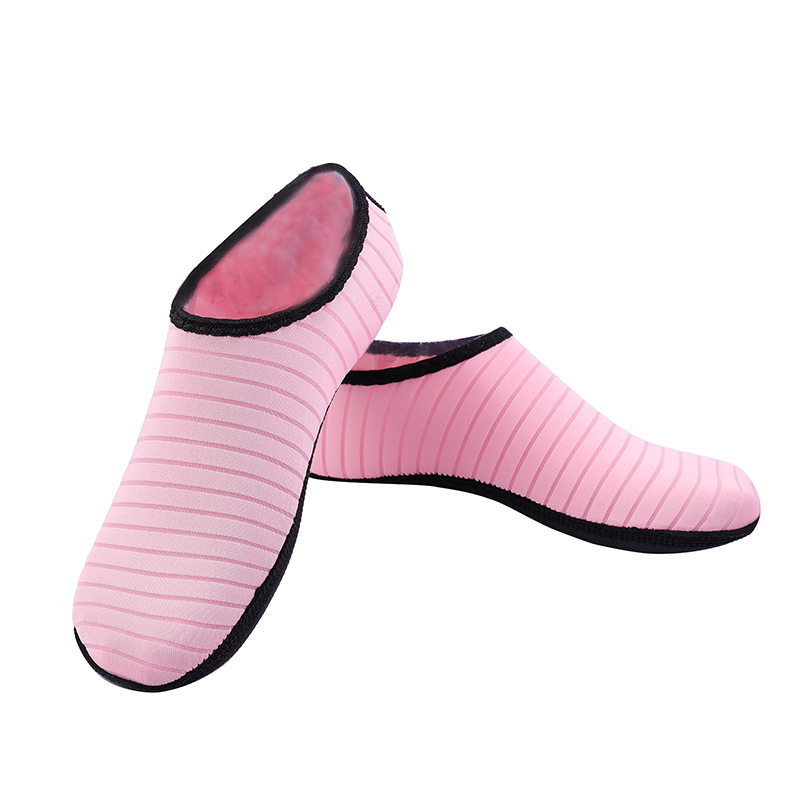
Selecting the right gear requires looking past the marketing jargon and focusing on construction quality. If you want footwear that performs seamlessly across shifting terrains, you must evaluate three critical components: upper breathability, ankle sealing, and sole flexibility.
The upper portion dictates thermal regulation and moisture management. Manufacturers typically utilize two primary materials: Neoprene and Spandex (Lycra). Neoprene is a closed-cell synthetic rubber that excels in thermal insulation, making it ideal for cold water submersion. In contrast, wearing neoprene in dry, hot sand can trap sweat, leading to a swampy, uncomfortable feeling. Spandex blends feature a highly breathable woven structure. This allows for rapid sweat evaporation and convective cooling, which is vastly preferable for dry-land sports under direct sunlight.
Imagine diving for a frisbee, only to feel a gritty influx of sand flooding around your ankles. The functional efficacy of any beach sock is entirely dependent on its ability to exclude particulate matter. If sand infiltrates the interior, it becomes trapped against the foot, causing severe chafing. Therefore, the ankle closure mechanism is a non-negotiable buying criterion. Look for designs featuring adjustable hook-and-loop fasteners or high-tension elastic cuffs. A proper seal compresses gently against the lower leg, adapting to your anatomy without restricting blood flow.
Proprioception—the body's ability to sense movement and terrain—is vital for maintaining balance on uneven sand. Heavy, rigid soles dampen this sensory feedback. This leads to clumsy movements and potential ankle sprains. Buyers seeking high performance should prioritize lightweight, flexible designs. The objective is to achieve a true "barefoot feel," where the footwear moves synchronously with the foot's natural articulation.
The sole is the foundational component of any protective footwear. Its composition and thickness directly correlate with durability, flexibility, and overall protective capacity.
In the realm of protective gear, durability is quantified through rigorous stress testing. Top-tier manufacturers frequently subject their soles to puncture and laceration tests, informally known as the "razor blade test." This standard evaluates the material's resistance to being compromised by sharp, high-pressure edges. It simulates the real-world impact of stepping on shattered glass or razor-sharp oyster shells. Footwear passing these stringent thresholds offers scientifically backed security.
When navigating hazardous coastal terrains, fabric or thin silicone soles are simply insufficient. The industry benchmark for optimal safety and performance is 3mm rubber sole beach socks. A 3-millimeter thickness represents the perfect intersection of biomechanical flexibility and heavy-duty puncture resistance. It is thick enough to halt marine debris, yet thin enough to allow your metatarsals to flex naturally. Cloth soles, conversely, tear easily under shear stress and offer negligible protection against sharp objects.
While often used interchangeably in consumer marketing, terrestrial and aquatic socks are structurally distinct products. They are engineered for entirely different environmental variables. Understanding this distinction prevents costly purchasing mistakes.
Terrestrial sand socks are explicitly designed for dry beach activities. Their architecture features a durable sole paired with a highly breathable, lightweight Spandex upper. This design prioritizes ventilation and sand exclusion over water resistance. They are the optimal choice for beach tennis, frisbee, and casual shoreline walking where foot overheating is the primary concern.
Specifically engineered for aquatic submersion, protective water socks are almost exclusively constructed from neoprene. They utilize the material's closed-cell structure to trap a thin layer of water against the skin, which the body then warms. These are designed to keep feet insulated in cold oceans and protect against sharp coral reefs during surfing, paddleboarding, or snorkeling.
When engaging in competitive sand sports, standard footwear fails rapidly. The biomechanics of moving on yielding sand require specific engineering to maintain stability and prevent lower-body strain.
Sand absorbs kinetic energy. When an athlete attempts to change direction rapidly, bare feet often slip as the top layer of sand gives way. This lack of traction reduces agility. Performance-focused beach volleyball socks utilize textured bottom panels—often featuring micro-dot grips or specialized rubberized tread patterns. This creates mechanical friction against the sand grains, allowing players to execute faster lateral movements and maintain a lower defensive stance.
A successful vertical jump on sand requires highly efficient energy transfer. Footwear that provides a structured, slip-free base helps contain the foot, allowing the athlete to push off a compressed surface area. Furthermore, high-impact sports involve frequent diving and rapid acceleration. Players instinctively drag their toes or scrape their heels. High-quality athletic socks feature reinforced stitching zones around the toe box and heel cup to withstand this repetitive abrasion.
Moisture control is a critical, yet frequently overlooked, factor in selecting beach footwear. Whether from crashing ocean waves or intense sweat, moisture accumulation inside your gear dramatically alters its performance.
When feet remain trapped in wet, poorly ventilated material, several compounding issues arise. The friction coefficient between the skin and the fabric increases, making painful blisters almost inevitable. Waterlogged fabric also adds unnecessary weight, altering your natural gait and accelerating fatigue. Finally, prolonged moisture exposure creates an ideal breeding ground for bacteria.
To combat moisture retention, top manufacturers rely on hydrophobic synthetic blends like nylon and elastane. These materials are structurally designed to repel water rather than absorb it. Opting for quick dry beach socks ensures that water passes rapidly through the fabric weave. When exposed to ambient air and sunlight, rapid evaporation occurs, returning the gear to a dry, lightweight state quickly. This allows you to transition seamlessly from ocean swimming to relaxing on the dry sand without carrying a muddy, uncomfortable encasement on your feet.
The protective and performance benefits of any technical footwear are completely negated if the fit is incorrect. Sizing for sand-specific gear requires a different approach than buying standard street shoes.
A frequent user complaint is footwear slipping off in the surf or slowly filling with sand. To prevent this, the ideal fit must act as a "second skin." The material should contour smoothly around the entire foot without sagging or excess fabric at the toes. If it is too loose, the ankle seal will fail. Conversely, the fit should not be so tight that it restricts capillary blood circulation or causes the toes to curl. The goal is uniform, gentle compression.
Because the elasticity of neoprene and spandex varies between manufacturers, relying solely on your street shoe size leads to inaccurate fits. For precision, measure your foot at the end of the day when it is slightly swollen. Place a piece of paper against a wall, stand with your heel flush against it, and mark the furthest point of your longest toe. Measure this exact distance in centimeters and cross-reference it directly with the specific brand’s sizing chart.
The right footwear fundamentally transforms your coastal experience. It stops the pain of scorching sand, shields your soles from hidden shoreline hazards, and measurably improves your athletic agility. Always match the material to your primary activity. Choose highly breathable uppers for dry, high-intensity matches, and select thick, vulcanized rubber soles for navigating rocky shores and sharp shells.
Do not let preventable foot injuries or discomfort ruin your next adventure. Protect your feet with gear engineered for the elements. If you are ready to upgrade your beach setup, explore professional-grade options at Surgewalk to find the exact specifications that match your coastal needs.
A: Yes, absolutely. If you choose quick-dry models or protective water socks made of neoprene, they are excellent for snorkeling, paddleboarding, and swimming without weighing your feet down.
A: High-quality sand socks equipped with adjustable velcro ankle bands are highly effective at keeping out 99% of sand. However, a few micro-grains may occasionally enter during intense, high-impact sports like volleyball.
A: For sandy environments and beach sports, yes. Beach socks are significantly lighter, offer a superior barefoot feel, and do not trap heavy, wet sand inside them the way traditional, rigid water shoes do.
A: Rinse them thoroughly with fresh, cold water immediately after use to remove corrosive salt and abrasive sand. Hand wash them with a mild soap and let them air dry out of direct sunlight to preserve the integrity of the rubber and elastic fibers.
A: Yes, specialized water socks are highly recommended to wear under snorkeling or diving fins. They act as a vital, friction-reducing barrier to prevent terrible heel and toe blisters caused by stiff rubber fins.


