 English
Views: 0 Author: Site Editor Publish Time: 2026-05-20 Origin: Site


Many travelers romanticize walking barefoot along pristine shorelines. The reality often looks quite different. Coastal environments frequently hide sharp volcanic rock, invisible marine life, and scalding sand right below the surface. You should view purchasing reliable Coastal Water Shoes as an insurance policy for your upcoming vacation. A severe foot laceration or puncture does not just hurt. It completely grounds you and ruins the return on investment of your entire trip. We need to evaluate footwear objectively. In this article, you will learn exactly when protective footwear is necessary. We will also explore when it actually hinders your aquatic performance. Finally, you will discover how to select the perfect pair based on environmental data and material science. Let us dive into the facts so you can protect your feet and enjoy your coastal adventures safely.
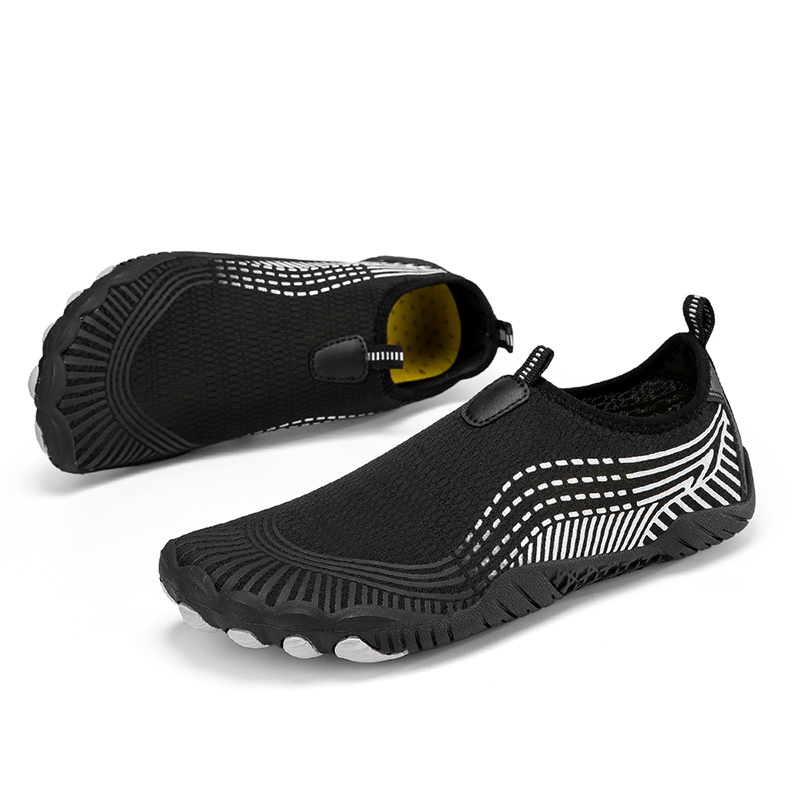
Coastal water shoes are essential for mitigating high-probability threats like coral rubble, spiny sea urchins, and extreme surface heat.
They are not universally beneficial: they create hydrodynamic drag during active swimming and can cause severe blisters if poorly constructed.
Effective evaluation requires matching sole types (razor sipes vs. heavy lugs) and closure systems to specific ocean environments and physiological realities (e.g., feet swelling in water).
Water shoes are transition tools, not an excuse to stand on fragile coral reef ecosystems.
Travelers often underestimate the physical hazards present at popular beach destinations. We must establish a clear risk-assessment baseline before venturing into the ocean. Geographic and topographical threats vary wildly by location. For example, Hawaiian coastlines heavily feature jagged lava rock. Mediterranean shores often consist of sharp limestone and coarse pebbles. You cannot easily see these hazards when standing on the shore. Coral rubble and broken shells routinely hide in the shallow surf. Stepping on these invisible threats ruins vacations instantly.
Marine life poses another significant hidden danger. Punctures from spiny sea urchins represent a leading cause of emergency medical visits for coastal tourists. Sea urchin spines easily pierce human skin. They often break off deep inside the foot, causing severe pain and potential infection. Proper aquatic footwear provides a critical puncture-resistant barrier against these bottom-dwelling creatures.
Thermal protection represents an equally important factor. You rarely step directly from your hotel room into the cool ocean water. The transition involves crossing various heat-absorbing surfaces. You must often walk across scalding beach sand. Black asphalt roads and concrete pathways also bake in the midday sun. This extreme surface heat can cause second-degree burns on bare feet. This scenario happens frequently during busy cruise excursions where you walk long distances to reach the beach.
Finally, we must consider hygiene and venue compliance. Your coastal trip will likely involve environments beyond the open ocean. Public resort pools, cruise ship decks, and large water parks present unique challenges. These venues increasingly ban standard flip-flops. Flip-flops create severe slipping hazards on wet concrete. However, these same facilities readily permit secured aquatic footwear. Wearing closed footwear also protects you against communal fungi. Public showers and pool decks harbor highly contagious conditions like plantar warts. Covering your feet completely mitigates these microscopic threats.
No piece of outdoor gear works perfectly in every single scenario. We must look at footwear limitations transparently to build trust. Hydrodynamic drag stands out as the most significant drawback. In deep water, bulky shoes disrupt the natural hydrodynamics of your foot. Swimmers rely on a fluid flutter kick to generate forward propulsion. Thick soles and bulky fabrics catch the water. They significantly impede this kicking motion. Therefore, you should never wear them for competitive lap swimming or high-speed aquatic activities.
Budget models introduce severe blister risks. Supermarket bargain shoes often look acceptable on the shelf. However, they frequently feature coarse internal stitching. They also utilize rigid synthetic collars around the ankle. Problems begin once you soak these cheap materials in saltwater. The fabrics become abrasive against softened wet skin. Sand inevitably enters the shoe and acts like sandpaper. When soaked and introduced to sand friction, cheap models cause debilitating blisters during long walks.
Loss of proprioception creates another notable trade-off. Proprioception refers to your body's ability to sense its position in space. Your bare feet contain thousands of nerve endings. These nerves instantly read the terrain beneath you. Thick rubber soles eliminate this crucial barefoot tactile feedback. Balancing on uneven underwater terrain can sometimes feel less stable. If your shoe lacks a highly secure fit, your foot might slide inside the shoe itself. This internal sliding drastically increases your chances of twisting an ankle on slippery rocks.
Selecting the right product requires matching the design to your specific itinerary. You must categorize your options clearly. Buyers often fail because they purchase the wrong shoe style for their intended activity. Let us break down the primary solution categories. This classification will help you shortlist the best Coastal Water Shoes for your specific needs.
The market primarily divides into three distinct categories. We organized them in the comparison chart below to highlight their optimal use cases.
Category | Design Profile | Best Environment & Use Case | Gear Compatibility |
|---|---|---|---|
Aqua Socks / Slip-Ons | Minimalist, highly flexible, thin rubber soles. | Sandy beaches with minor shell debris, light snorkeling. | Can often be worn smoothly inside closed-heel snorkeling fins. |
Neoprene Dive Booties | Thick, porous neoprene designed to trap water and heat it. | Cold water coastal environments and rocky water entries. | Must be paired exclusively with adjustable, open-heel fins. |
Amphibious "Shandals" | Hybrid hiking shoe and sandal. Toe caps, heavy support, drainage ports. | Canyoneering, rocky tide-pooling, and all-day resort/cruise wear. | Standalone wear; far too bulky for any type of swim fin. |
Aqua socks provide the closest experience to walking barefoot. They work brilliantly for pristine sandy beaches. They handle minor shell debris perfectly. You can also slip them inside standard closed-heel fins for snorkeling. They lack the structural support necessary for long hikes over jagged terrain.
Neoprene dive booties serve a highly specific scientific function. Neoprene works by intentionally trapping a thin layer of water against your skin. Your body heat rapidly warms this trapped water. This insulation mechanism protects you in frigid coastal environments. Divers rely on them for rocky shore entries before swimming. You cannot wear these with basic fins. They require specialized open-heel fins featuring adjustable straps.
Amphibious "Shandals" bridge the gap between hiking boots and sandals. They dominate the adventure travel market. These shoes feature hardened toe caps. They offer heavy arch support for carrying backpacks. Rapid drainage ports expel water instantly after crossing a river. You will want this category for canyoneering or walking over sharp tide pools. They also serve wonderfully as all-day resort wear.
You need a technical framework to evaluate product quality properly. Looks matter very little when navigating slippery coastal rocks. You must evaluate potential purchases across three core dimensions. Ignoring these engineering aspects usually leads to poor performance and buyer regret.
Traction Engineering (Sipes vs. Lugs): Smooth, wet rocks require specialized grip technology. You should look for soles featuring "razor sipes." Sipes are micro-slits cut into the rubber. They expand under pressure to grip wet surfaces tightly. You must avoid deep, aggressive "lugs." Lugs look tough and excel in deep mud. However, they trap water underneath the shoe. This trapped water causes the hard rubber lugs to hydroplane dangerously on slippery rocks.
Closure Systems & Physiological Fit: Human feet naturally swell during tropical vacations. Prolonged exposure to heat causes minor edema. Prolonged water submersion softens the skin. Basic slip-on models stretch out and lose their shape over time. A loose shoe becomes a hazard underwater. You must look for dynamic closure systems. Bungee laces, adjustable Velcro straps, or marine-grade zipper closures provide a customizable fit. You can adjust them as your feet swell throughout the day.
Material Drainage vs. Insulation: You must distinguish between distinct material purposes. Synthetic fabrics like nylon and polyurethane mesh expel water instantly. They allow air flow to dry the shoe quickly. These materials work perfectly for warm tropical climates. Conversely, Neoprene functions entirely differently. Manufacturers explicitly design Neoprene to retain water for thermal insulation. Wearing Neoprene in warm tropical environments will cause massive overheating and excessive foot sweat.
Purchasing the correct gear only solves half the equation. You must adopt proper implementation practices to guarantee post-purchase success. Many travelers ruin their gear or damage the environment due to a lack of education. Following established best practices ensures safety and longevity.
The sizing rule confuses many first-time buyers. Aquatic footwear materials exhibit slight stretching and elongation when fully saturated. A shoe fitting perfectly dry in the store will often loosen in the ocean. If you find yourself between sizes, you should size down. A snug fit prevents internal slipping. This friction reduction stops painful blisters from forming. One notable exception exists. If you buy cold-water dive booties intending to wear additional neoprene socks underneath, you must size up to accommodate the extra bulk.
Ecosystem compliance requires our utmost attention. You must use footwear strictly for the transition phase. This phase involves wading from the rocky shore to waist-deep water. You must never use protective footwear as an excuse to stand on coral reefs. Coral reefs consist of fragile living animals. Walking over them or kicking them destroys decades of growth instantly. Once the water becomes deep enough, you must transition to swimming or floating. Treat your shoes as tools for entry, not licenses to trample marine habitats.
Maintenance and odor control dictate the lifespan of your gear. Saltwater severely degrades synthetic rubber over time. Ocean environments also breed bacteria inside damp fabrics. You must execute a mandatory freshwater rinse immediately post-use. Never toss salty, wet shoes into a dark suitcase. Remove the insoles entirely. Air-dry both the shoes and insoles outdoors in the shade. Direct sunlight destroys rubber elasticity. For ongoing odor management, sprinkle baking soda inside dry shoes. The baking soda neutralizes lingering bacteria effectively.
Wearing protective footwear in the ocean proves highly recommended for most travelers. Coastal shorelines frequently hide sharp volcanic rock, fragile coral rubble, and dangerous urchins. Navigating these hazards barefoot invites trip-ruining injuries. However, you should remove them or swap them for fins during sustained deep-water swimming to prevent drag.
To maximize your safety and comfort, follow these action-oriented next steps:
Audit your upcoming travel itinerary carefully to identify specific hazards (e.g., sandy beaches vs. rocky tide pools vs. cold water).
Select the specific footwear category matching your environment (aqua sock, rugged shandal, or thermal dive bootie).
Prioritize soles featuring razor-siped traction rather than deep mud lugs.
Choose models utilizing adjustable closure systems like bungee laces to accommodate natural foot swelling.
Commit to daily freshwater rinsing to extend the lifespan of your gear and prevent bacterial odor.
A: Waterproof shoes are designed to keep your feet completely dry in rain or shallow mud. They block all moisture entry. Water shoes operate on the exact opposite principle. They are fully permeable. Manufacturers design them to let water flow in freely and drain out rapidly while providing physical structural protection.
A: No. Flip-flops offer zero lateral ankle support or heel retention. They easily float away in light surf. Crocs create massive underwater hydrodynamic drag. Their foam material slips easily on wet rocks. Strong ocean waves routinely pull bulky Crocs right off your feet.
A: Yes. Your feet will become completely wet immediately upon entering the ocean. The primary function of this footwear is physical protection from sharp lacerations and blunt impacts. They do not exist to keep your skin dry.


