 English

Views: 0 Author: Site Editor Publish Time: 2026-06-01 Origin: Site


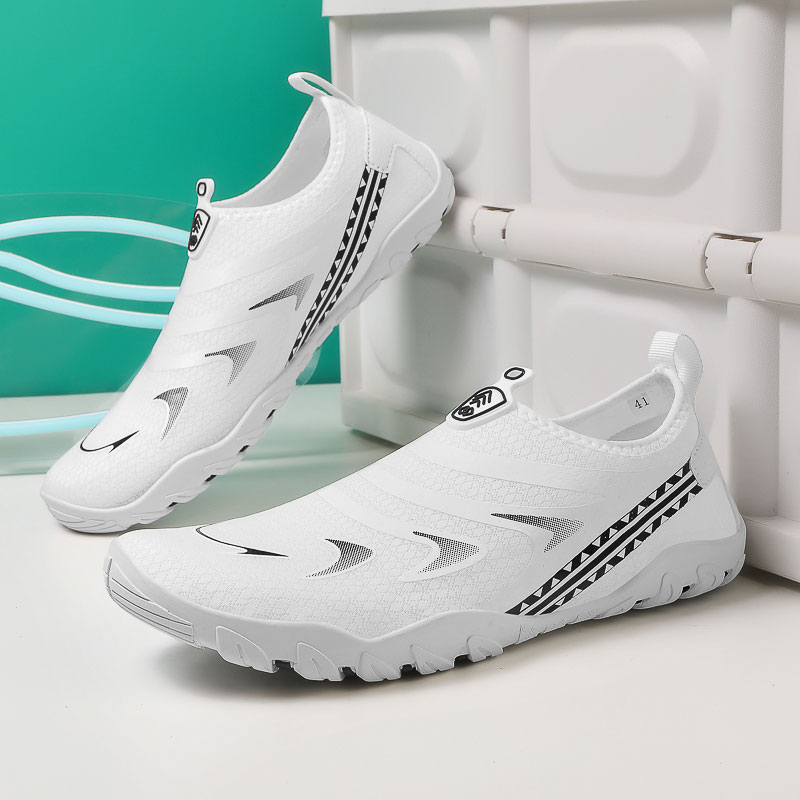
Searching for footwear to block puddles without turning into a sweatbox often feels impossible. Buyers everywhere share this core "unicorn" frustration. You want dry feet, but you also want them to stay cool. Unfortunately, finding a shoe delivering 100% waterproofing and 100% breathability remains a marketing myth. These two features strictly operate on a physical sliding scale. If you increase one, you inherently compromise the other. However, you do not have to settle for miserable feet during outdoor adventures. This guide will help you navigate modern footwear technology to find the optimal balance. We will focus specifically on lightweight solutions tailored for warm, wet environments. You will discover how moisture transfer actually works and how to evaluate various membrane types. We will also explore when to skip traditional boots entirely and choose specialized Breathable Beach Sneakers instead.
Waterproofing and breathability operate on a sliding scale: increasing one inherently compromises the other.
True waterproof shoes require specific physical features (e.g., fully gusseted tongues, internal membranes) rather than just surface DWR (Durable Water Repellent) coatings.
For warm-weather scenarios, specialized breathable beach sneakers utilizing patented knit technologies offer a better balance than traditional heavy-duty membranes like standard Gore-Tex.
In extreme heat or deep water, a non-waterproof quick-dry shoe paired with a waterproof sock is often the most practical, evidence-based workaround.
To understand modern footwear performance, we must first examine the strict physics of moisture transfer. Most protective membranes rely on microscopic pores. These pores feature an incredibly specific size. They remain small enough to block liquid water drops from entering from the outside. However, they stay just large enough to let tiny water vapor molecules escape. This vapor represents your body heat and sweat. In an ideal scenario, this micro-porous barrier keeps your feet completely dry from both external rain and internal moisture accumulation.
However, a significant temperature caveat constantly complicates this process. Vapor transfer does not happen magically on its own. It absolutely relies on a specific thermal gradient. The environment inside the shoe must remain warmer and more humid than the outside air. When cold rain falls on your shoes in autumn, the system works beautifully. Your trapped body heat naturally pushes outward into the cooler, drier atmosphere, carrying sweat vapor away.
This dynamic changes drastically in hot climates. Picture a sunny summer beach trip or a humid jungle trek. The outside air is already hot and heavily saturated. Under these exact conditions, traditional membranes fail to push heat outward. Instead, they create a severe internal heat trap. Your sweat cannot evaporate or escape efficiently. This leads directly to internal condensation. Your feet become deeply sweaty and uncomfortable. Ultimately, this trapped moisture softens your skin and increases friction. Your blister risks skyrocket within just a few miles of walking.
Footwear brands utilize several distinct methods to keep water out. Each specific approach balances weather protection and active ventilation differently. We can categorize the current market into three primary technologies.
Industry standards often rely heavily on internal membrane booties. Manufacturers insert this separate, sock-like layer between the outer fabric and the inner lining. It provides the highest possible waterproof rating available today. These heavy-duty shoes easily handle 10,000 to 20,000mm on the hydrostatic head scale. They excel immensely in winter slush or deep snow conditions. However, they consistently offer the lowest breathability. The extra physical layers trap significant amounts of body heat. You will quickly feel suffocated in mild or warm environments.
Recent footwear innovations successfully integrate waterproofing directly into the yarn structure. Brands build the protective barrier into the knit itself. They entirely eliminate the need for heavy coatings or thick internal booties. This manufacturing process creates a much lighter, highly flexible shoe. It proves highly effective for sudden urban rain and light trail use. Because it lacks bulky secondary layers, it vents trapped heat far better than traditional membranes. Keep in mind, long-term durability under heavy abrasion can vary. Scraping against sharp rocks might eventually degrade the integrated barrier.
Some lightweight shoes rely strictly on temporary surface applications. Manufacturers apply Durable Water Repellent (DWR) or heavy wax coatings to the exterior fabric. These chemicals provide water-resistant or water-repellent properties. They typically score between 0 and 5,000mm on standard hydrostatic tests. Because they completely lack a solid internal membrane, they maintain exceptionally high breathability. However, this is always a temporary fix. Surface treatments degrade rapidly over time. Regular walking flexes the material and cracks the invisible coating. Dirt and body oils also ruin the chemical barrier. You must reapply specialized sprays frequently to maintain any meaningful protection.
Technology Type | Mechanism | Waterproof Rating | Breathability |
|---|---|---|---|
Traditional Membrane | Separate internal bootie layer | 10,000–20,000mm | Low |
Direct-to-Knit | Built directly into yarn structure | Moderate to High | Medium |
Surface Treatment | Exterior chemical coating | 0–5,000mm | Very High |
Finding the right footwear for coastal environments requires evaluating specific success criteria. You need reliable shoes capable of handling abrasive sand, corrosive saltwater, and slick tidal pools. They must also manage intense summer heat effectively. This unique combination of challenges is exactly where high-quality Breathable Beach Sneakers shine. They balance puddle protection and active ventilation perfectly for coastal explorers.
When evaluating material construction, you should strictly avoid traditional leather. Leather absorbs water heavily and dries incredibly slowly. You should also skip thick, open-cell mesh if you want to keep granular sand out. Instead, look for tightly woven, synthetic-knit uppers. The best models feature integrated waterproof layers nestled safely within the knit. This specific design blocks splashing waves while still allowing trapped internal heat to escape.
Furthermore, robust traction remains absolutely non-negotiable in wet environments. Mossy tidal pools and slick boat decks demand specialized grip. You must actively avoid shoes featuring exposed foam outsoles. Foam becomes dangerously slick when wet. Demand at least 50% rubber coverage on the bottom tread. Look closely for water-channeling textures or matte rubber compounds. These clever designs actively push water away from the contact patch, securing your footing.
Finally, always perform the gusseted tongue check. A shoe is only as waterproof as its lowest physical opening. Many buyers purchase waterproof shoes only to get immediately soaked ankles. If the tongue is not fully attached to the side walls, water will rapidly seep in. A fully gusseted tongue creates a continuous, uninterrupted barrier. This vital feature prevents deep puddle splashes from bypassing the outer knit layer entirely.
Sometimes, buying a waterproof shoe is the absolute wrong decision. You must understand the strict physical limits of footwear to avoid miserable experiences outdoors. Blindly choosing waterproof models can occasionally do more harm than good.
First, you must beware of the dreaded "bathtub effect." Waterproof shoes excel at keeping external moisture out. Unfortunately, they also excel at keeping internal moisture safely trapped inside. If you step into deep water, liquid will eventually crest the ankle collar. Once water flows over the top opening, it becomes permanently trapped. The waterproof membrane physically prevents it from draining out. You will spend the rest of your trip walking in a heavy, sloshing puddle. The shoes will take days to dry fully.
Because of this undeniable risk, we strongly advise against waterproof models for high-heat or deep submersion scenarios. If you plan frequent beach wading, deep river crossings, or extreme hot-weather hiking, reconsider your options. The trapped sweat and inevitable water overspill will cause far more discomfort than wearing standard shoes.
Instead, consider adopting the highly effective modular solution. Many experienced hikers utilize this clever geek hack. They deliberately buy highly ventilated, completely non-waterproof mesh sneakers. These lightweight shoes drain immediately and dry incredibly fast. When they encounter unavoidable deep water or sudden cold rain, they adapt. They pair their breathable sneakers with specialized waterproof socks. Brands like Sealskinz manufacture excellent, heavy-duty options. You wear the waterproof sock layer only when strictly needed. When the weather clears, you remove the protective socks. Your shoes dry out quickly as you continue walking. This modular approach provides ultimate climate flexibility.
Navigating modern shoe marketing requires a very sharp eye. Brands often use confusing terminology to sell their products. You can quickly spot genuine waterproof protection by carefully following these physical inspection steps.
Check the Naming Conventions: Authentic models usually display "GTX" or "WP" in their official product titles. Look for specific brand membrane tags physically attached to the laces. You should remain highly skeptical of vague "weatherproof" claims. These marketing words usually indicate temporary surface coatings.
Perform a Visual Inspection: Look closely at the exterior fabric construction. A true waterproof design entirely lacks highly porous, open-cell mesh. If you can see large, visible breathing holes, liquid water will definitely get through them.
Do the Internal Feel Check: Slide your bare hand inside the shoe. Feel the inner material sitting behind the outer fabric. A genuine waterproof shoe features a slightly thicker, robust layer. You will often feel a shiny, smooth membrane sealing the inner stitching.
Understand Maintenance Realities: Waterproof shoes demand very careful upkeep. Harsh cleaning chemicals will quickly destroy the delicate internal membrane. You must also strictly avoid direct heat drying. Placing wet shoes next to a blazing campfire or hot radiator will literally melt the internal seams.
Finding a flawless unicorn shoe remains physically impossible due to the strict limits of moisture transfer. You simply cannot achieve total waterproofing alongside maximum airflow. However, modern knit-based waterproof technologies stand out as the absolute closest match. They effectively bridge the gap for anyone requiring both puddle protection and ventilation in mild-to-warm conditions.
Before purchasing your next pair of outdoor shoes, take these immediate action steps to ensure maximum comfort:
Identify your primary outdoor climate. Honestly determine if you face cold, muddy conditions or hot, sandy environments most frequently.
Select heavy traditional membrane boots exclusively for freezing temperatures or prolonged deep snow.
Opt for lightweight waterproof knit sneakers when navigating unpredictable urban rain or humid coastal trails.
Choose highly ventilated, non-waterproof mesh shoes paired with waterproof socks if you anticipate deep river wading or extreme summer heat.
A: Water-resistant shoes merely delay moisture penetration. They rely on temporary surface DWR coatings to repel light rain and brief splashes. Waterproof shoes utilize physical internal membranes. These robust membranes act as solid barriers, earning high hydrostatic head ratings to completely block sustained water pressure over long periods.
A: Yes, they inherently reduce overall airflow compared to standard mesh. The internal physical membrane traps more body heat. This leads directly to increased sweating in hot conditions. Matching the specific waterproof technology to your outside temperature is absolutely vital for maintaining long-term foot comfort.
A: Longevity depends heavily on your usage. The internal knit membrane rarely washes out. However, heavy abrasion from rough trails can damage the embedded fibers over time. After extensive long-term wear, they often fade from fully waterproof to highly water-resistant as micro-tears develop in the barrier.
A: You should never put them in a standard washing machine. The harsh agitation damages internal waterproof seals. Instead, use gentle spot-cleaning techniques with mild soap and cold water. Always air dry them completely away from direct heat sources. Radiators and campfires will melt and destroy the waterproof membrane.


