 English

Views: 0 Author: Site Editor Publish Time: 2026-08-13 Origin: Site


Standard water shoes fail constantly in demanding coastal environments. Sand ingress turns a simple walk into a blistered nightmare. Seam blowouts happen after just a few uses. Sole delamination caused by saltwater degradation ruins otherwise good gear. Standard mesh water shoes cannot provide adequate thermal protection or sand exclusion. Poorly constructed neoprene alternatives suffer from rapid structural degradation under abrasive beach conditions. You need a technical evaluation framework for selecting the right footwear. We focus on how specific seam architectures and sole textures dictate performance, durability, and user comfort. This guide breaks down the mechanics of seam construction, sole design, and material thickness. You will learn how to evaluate gear based on actual field performance rather than marketing claims, ensuring your next pair survives the harsh realities of coastal environments.
Seam Architecture Dictates Function: The choice between Flatlock, Glued and Blind Stitched (GBS), and taped seams determines whether footwear functions as a breathable barrier or a watertight thermal insulator.
Sole Texture Influences Traction and Fatigue: Surface finish and tread patterns must be matched to the primary environment (loose sand vs. wet rock) to optimize grip and reduce foot fatigue.
Natural Foot Alignment Enhances Stability: Flexible, low-profile sole designs allow the foot to sit naturally (zero-drop), promoting better proprioception and muscle engagement.
Thickness vs. Mobility Trade-off: Selecting the correct neoprene thickness requires balancing thermal retention requirements against proprioception and ankle mobility.
Cut Profile Impacts Sand Ingress: The choice between short cut neoprene footwear and higher-ankle designs directly correlates to the volume of debris exclusion during active use.
The mechanical differences between porous water shoes and closed-cell neoprene designs dictate their field application. Porous water shoes prioritize rapid drainage. They utilize mesh uppers that allow water to flow freely. This open structure permits fine sand and sediment to enter, causing severe chafing during extended wear. Closed-cell neoprene designs act as a physical barrier. They do not drain instantly, but they excel at keeping abrasive sand out of the footbed.
For active beach sports like beach volleyball or surf launching, acceptable sand exclusion is a strict baseline criterion. The footwear must fit snugly around the ankle to prevent debris from washing in with the waves. If sand enters the shoe, friction multiplies, leading to skin abrasions within minutes of active movement.
Comparing structural differences reveals distinct operational trade-offs. Lightweight, highly breathable mesh uppers with rigid rubber soles offer excellent drainage and solid foot protection on rocky shores. Conversely, the snug, insulative fit of true neoprene beach socks prioritizes thermal conservation and protection against fine sediment.
Feature | Mesh Water Shoes | Neoprene Beach Socks |
|---|---|---|
Drainage Speed | High (Immediate) | Low (Retains water) |
Sand Exclusion | Poor (Mesh allows silt) | Excellent (Closed-cell barrier) |
Thermal Retention | None | High (Traps body heat) |
Primary Use Case | Warm water, rocky shores | Cold water, sandy beaches |
Mesh shoes drain rapidly but offer zero insulation. They work well in tropical climates. Neoprene socks retain heat by trapping a thin layer of water against the skin. They fit tightly to prevent cold water from flushing through the system.
Neoprene insulates by trapping a thin layer of water between the material and the skin. Your body heats this water, creating a thermal barrier against the colder outside environment. A loose fit allows cold water to constantly flush through, completely defeating the insulative purpose.
Baseline requirements for thermal water socks vary based on water temperature. Cold-water swimming demands thicker neoprene and watertight seams. Warm-water reef walking requires less insulation but demands robust puncture protection on the sole to defend against sharp coral and rocks.
Panel design dictates seam strain during foot flexion. Multi-panel ergonomic cuts conform to the foot's natural shape. They distribute stress evenly across the seams compared to basic linear patterns. This anatomical layout reduces the likelihood of seam blowouts under heavy tension.
Identifying critical high-chafe zones prevents blistering. The heel, arch, and Achilles tendon take the most abuse. Strategic seam placement moves stitching away from these friction points. When inspecting footwear, check the interior for raised threads in these specific areas.
Flatlock stitching involves overlapping neoprene panels and stitching completely through both layers. This mechanical process creates a strong, flat seam that lies flush against the skin. It significantly reduces chafing during repetitive motions.
The primary advantage is durability under tension. Because the needle punctures the neoprene entirely, it allows water and micro-fine sand to pass through the holes. This makes flatlock seams best suited for warm water environments and short cut neoprene footwear designed for drainage rather than thermal insulation.
The GBS process involves gluing the neoprene panels together first. The manufacturer then stitches them only halfway through the material. The needle never fully punctures the neoprene. This creates a watertight seal.
GBS prevents water flushing. This construction is mandatory for cold-water applications. GBS carries a higher manufacturing cost than flatlock stitching. Its superior performance in retaining heat and excluding cold water makes it non-negotiable for winter conditions.
Applying liquid rubber over GBS seams creates liquid taped and welded seams. This process seals the stitching completely. It offers maximum waterproofing and durability by preventing the threads from fraying against rocks or sand.
The trade-offs include increased stiffness in the seam area. This stiffness can slightly impact mobility. Liquid taping can also suffer from accelerated UV degradation if left in direct sunlight. You must store these items in the shade.
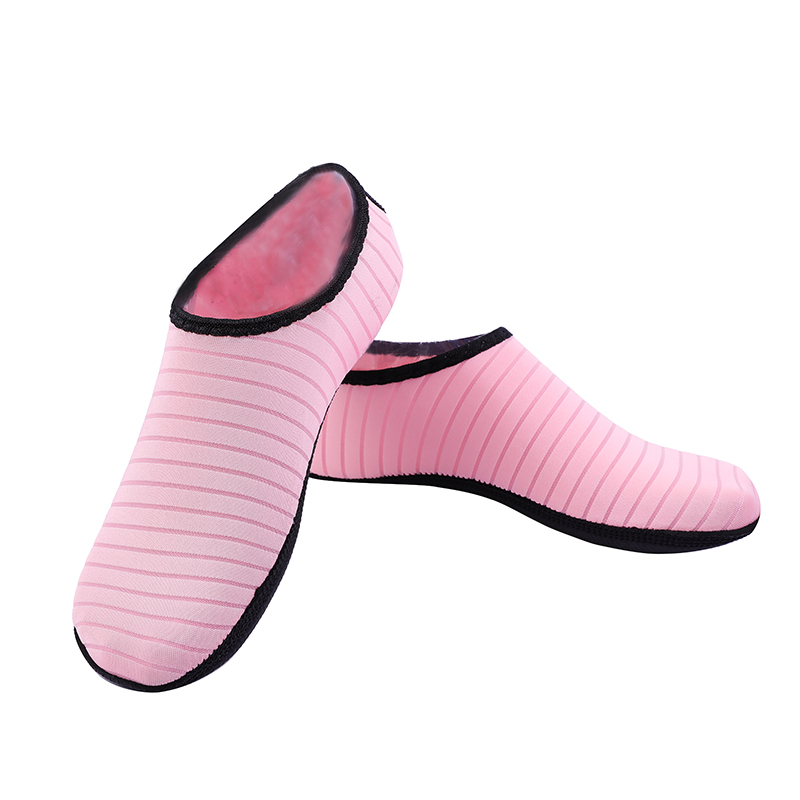
The biomechanical impact of sole thickness and heel-to-toe drop changes how you walk. Zero-drop designs keep the heel and forefoot at the exact same height. They promote natural foot alignment. Ultra-thin, flexible soles allow the foot to sit naturally, engaging stabilizing muscles in the ankle and calf.
This flexibility improves balance on shifting surfaces like sand or wet stone. Rigid, built-up shoe soles mask the terrain. Proprioception improves significantly when the foot can feel the ground beneath it.
Surface finish dictates long-term wear resistance. A textured matte finish indicates a higher-quality rubber compound designed for grip and durability. Glossy, molded plastics tend to be slippery and prone to rapid wear on abrasive surfaces.
The longevity of different rubber compounds under marine conditions varies wildly. Vulcanized natural rubber offers superior grip and flexibility. Synthetic PVC becomes brittle and cracks when exposed to saltwater and UV light over time.
Specific sole design textures directly affect grip on wet surfaces. Shallow, micro-diamond patterns provide excellent surface contact. They work perfectly for smooth, wet surfaces like fiberglass boat decks or surfboards. Aggressive lug profiles handle muddy or rocky paths where deep penetration is needed for traction.
Dense, closed-pattern treads trap wet sand. This adds weight and reduces traction. Self-cleaning, open-tread geometries allow sand and debris to shed naturally as the foot flexes. This maintains optimal grip throughout the activity.
Micro-drainage ports within the sole offer functional trade-offs. They allow water to escape quickly. They also provide a direct pathway for sand ingress. They compromise thermal efficiency by allowing cold water to enter the footbed constantly.
Sealed footbeds prioritize thermal retention and sand exclusion. You must assess how drainage holes affect water expulsion speed versus thermal efficiency to determine the best design for your specific operational needs.
Neoprene thickness dictates the balance between mobility and insulation. A 1mm-2mm thickness works best for abrasion resistance, warm water, and high-mobility beach sports. Flexibility remains high.
A 3mm-5mm thickness is necessary for cold water swimming or winter wading. This thicker material provides essential insulation. It noticeably reduces ankle mobility and proprioception. You must accept this trade-off in freezing conditions.
Short cut designs offer ease of donning. They provide excellent ankle mobility and compatibility with swim fins. They fit warm conditions and activities requiring maximum flexibility.
High-top designs prevent sand and gravel from entering through the ankle collar. They offer more thermal protection and ankle support. They suit colder, rougher environments where debris exclusion is a priority.
A lightweight, quick-drying design lacks the ability to withstand sharp objects. Highly breathable mesh shoes offer minimal puncture resistance against sharp rocks, shells, or sea urchins.
Footwear designed for rugged environments incorporates thicker soles or puncture-resistant layers. This inherently increases weight and reduces breathability. You cannot have maximum protection and minimum weight simultaneously.
Premium features justify the price premium based on frequency of use. Kevlar-reinforced soles, liquid-welded seams, and high-grade textured rubber increase the initial cost at checkout.
For frequent users, these features significantly extend the lifespan of the footwear. They provide a better return on investment compared to replacing cheaper, low-grade options multiple times a season.
Sizing errors and poor seam positioning cause friction injuries. Footwear that fits too loosely rubs against the skin. Footwear that fits too tightly restricts circulation and causes cramping.
Measure your foot length in millimeters.
Compare the measurement to the specific manufacturer's sizing chart.
Test the fit with the specific socks or bare feet you intend to use in the water.
Check for pressure points around the Achilles tendon and the top of the arch.
Saltwater crystallization, chlorine, and UV exposure destroy neoprene glue, stitching, and rubber soles. These elements cause materials to dry out, crack, and fail prematurely.
Rinse the footwear thoroughly in fresh water immediately after use.
Hang the footwear to dry in a shaded, well-ventilated area.
Never place neoprene near direct heat sources like radiators or campfires.
Store the footwear flat to prevent permanent creasing in the rubber soles.
Selecting the right neoprene footwear requires matching the technical specifications of the gear to the physical demands of your environment. You must evaluate seam construction, sole texture, and material thickness based on actual field conditions.
Measure your feet accurately and consult the manufacturer's specific sizing chart to ensure a second-skin fit.
Verify the seam construction type (Flatlock vs. GBS) matches your thermal and drainage requirements.
Inspect the sole texture and durometer to ensure it provides adequate traction for your primary terrain.
Establish a strict post-use freshwater rinsing routine to extend the lifespan of the neoprene and adhesives.
A: Water shoes use breathable mesh uppers and rigid soles for rapid drainage and impact protection. Neoprene beach socks use closed-cell foam for thermal retention and a snug fit to exclude sand, offering better insulation but slower drainage.
A: Choose 1mm to 2mm thickness for warm water environments and high mobility activities. Select 3mm to 5mm thickness for cold water swimming or winter wading where thermal insulation is the absolute priority.
A: A zero-drop sole keeps the heel and forefoot level. This allows the foot to sit naturally, improving balance and proprioception on shifting surfaces like sand or wet rocks by engaging your natural stabilizing muscles.
A: Select high-top designs with a snug ankle collar to prevent debris from washing in over the top. Ensure a proper second-skin fit to eliminate gaps where fine wet sand can enter during movement.
A: Always rinse the footwear with fresh water immediately after use to remove salt crystals and chlorine. Dry them in the shade and avoid direct heat sources or prolonged UV exposure to prevent the rubber and glue from degrading.


