 English
Views: 0 Author: Site Editor Publish Time: 2026-05-06 Origin: Site


The stand-up paddle boarding (SUP) community constantly debates footwear. Purists swear by going barefoot. They claim bare feet provide optimal board feel and superior balance. Pragmatists argue differently. They prioritize foot protection above all else to avoid hidden hazards. This ongoing debate exposes a massive reality gap. You paddle on the open water, but you launch on highly unpredictable terrain. The journey from your car to the shoreline hides many dangers.
We created this evidence-based guide to help you make the right choice. You will learn exactly when to go barefoot and when you need protective footwear. We also explain how to evaluate specialized shoes. You can protect your feet without sacrificing balance or damaging your board. Your local climate and terrain play huge roles in this decision. By auditing your primary launch spot, you will quickly figure out the safest strategy for your next session.
Barefoot offers the best proprioception for balance and pivot turns, but exposes feet to launch-site hazards (oyster beds, glass) and deck-pad D-ring snags.
Wearing everyday street shoes is a critical error; they trap heavy water, carry gravel that tears EVA deck pads, and distort natural standing posture.
The ideal SUP footwear features a "zero-drop" (low stack) sole, shallow tread to avoid tracking sand, and rapid drainage.
Your local launch environment (sandy beaches vs. rocky rivers) and water temperature strictly dictate your footwear requirements.
Most seasoned paddlers and racers prefer standing barefoot. We call the alternative the "oven mitt" problem. Thick shoe soles insulate your foot's complex nervous system from the board. Your feet contain thousands of nerve endings. They constantly send micro-adjustment signals to your brain to maintain balance over choppy water. Wearing heavily cushioned shoes mutes these signals. Step-back turns feel clumsy. Pivot maneuvers become dangerously imprecise. For pure athletic performance on the deck, bare skin reigns supreme.
However, you rarely teleport directly onto deep water. The transition zone presents serious risks. You encounter numerous hazards before reaching safe, knee-deep water. Hidden barnacles slice through skin easily. Jagged river rocks bruise heels. Discarded fishing hooks hide in the sand. Oyster beds pose a particularly severe threat. Oyster shells act like razor blades and carry high bacterial loads. Cuts from these shells often lead to aggressive bacterial infections. These infections can sideline you for weeks.
We must reach a practical verdict on purism. Barefoot paddling remains optimal for the deck itself. Yet, the surrounding environment often makes absolute barefoot purism unsafe. You must respect the terrain you traverse before your board ever touches the water.
Best Practice: Always scout your launch site at low tide. This reveals hidden debris and sharp rocks you might step on during high tide launches.
Common Mistake: Walking barefoot through murky river mud. Mud often conceals broken glass and rusted metal. Always wear protection in zero-visibility water.
Many paddlers only consider rocks and glass when thinking about foot protection. However, several lesser-known risks make a strong case for wearing specialized footwear.
D-Ring Toe Snags: This constitutes a highly specific SUP injury. Most inflatable and hard boards feature metal D-rings embedded in the deck pad. When you fall or shift your feet rapidly, bare toes can easily catch inside these rigid metal loops. This snagging causes severe sprains or even broken toes. Closed-toe shoes eliminate this risk entirely.
Top-of-Foot UV Exposure: The top of your human foot rarely sees direct sunlight during daily life. On a paddle board, this skin faces the sky for hours. Water reflection intensifies the UV rays. Severe, blistering sunburns occur frequently here. A protective shoe acts as an impenetrable sunblock for this vulnerable skin.
EVA Deck Pad Degradation: Wearing the wrong shoes causes expensive damage. Deep-tread hiking sneakers act as highly efficient gravel traps. They pick up small rocks on the beach. Once you step onto the board, you grind those sharp rocks directly into the soft EVA traction pad. This grinding causes irreversible tearing and degradation. Specialized flat-soled water shoes prevent this expensive mistake.
Plantar Fasciitis & Arch Fatigue: We must address ergonomic realities. Flat-footed paddlers suffer greatly on rigid boards. Standing barefoot on a hard, flat surface for hours causes severe fascia strain. The arch collapses under continuous stabilizing pressure. This leads to intense foot fatigue and long-term plantar fasciitis. Specialized water shoes provide necessary arch support to prevent this chronic pain.
Choosing the right gear prevents the "oven mitt" problem mentioned earlier. You need footwear specifically designed for the biomechanics of paddle boarding. When shopping for Lightweight Paddle Board Shoes, you must evaluate them against five strict criteria.
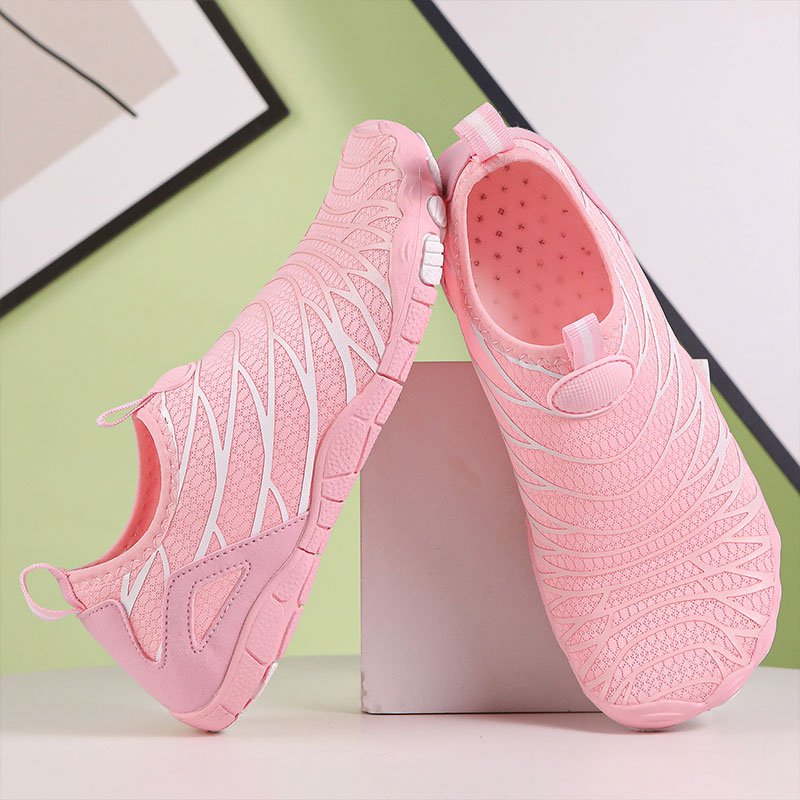
Zero-Drop / Low Stack Height: You need minimal heel lift. Traditional running shoes elevate your heel above your toes. This artificial lift distorts your natural center of gravity. Zero-drop soles keep your foot completely flat. This maintains your natural human biomechanics and keeps your balance centered over the board.
Shallow Lug Tread: Avoid deep hiking-style treads at all costs. Good SUP shoes utilize "sticky" rubber compounds designed for wet, slippery surfaces. They do not need deep grooves. Deep grooves trap abrasive mud and sand. Shallow treads provide excellent grip on wet fiberglass or EVA pads without tracking debris onto your deck.
Drainage & Antimicrobial Tech: Summer shoes must drain instantly. Look for non-neoprene, fast-draining mesh uppers. Water must flow out as soon as you step onto the board. Furthermore, these shoes require antimicrobial treatments. Fast-drying materials prevent foul bacterial odors from developing when you wear them post-session.
Secure Fastening Systems: The ocean quickly destroys complex fasteners. We strongly recommend elastic lock-laces or snug slip-on designs. Velcro straps lose their grip when clogged by fine beach sand. Zippers jam when exposed to salt and grit. Elastic bungee systems remain secure and adjust quickly.
Articulated Toe Mobility: Traditional shoes bind your toes together. Balance relies on toe splay. Advanced water shoes feature split-toe or five-toe designs. These Vibram-style constructions allow your toes to spread naturally. Your toes can grip the board independently. This mimics the barefoot advantage while providing physical protection.
You cannot use a one-size-fits-all approach. The environment strictly dictates your gear. We categorize launch locations into distinct climates to simplify your decision-making process.
These environments present very low risks. Think of pristine sandy beaches and warm coastal bays. A hybrid approach works beautifully here. You can wear lightweight sandals to the water's edge. Once you pass the shoreline break, take them off. Stow them securely under your front bungees. You can then paddle entirely barefoot to maximize board feel.
These environments hide high-risk debris. Alpine lakes, shallow rivers, and rocky coastlines demand full protection. You will encounter submerged branches, sharp rocks, and slippery algae. This terrain requires closed-toe Lightweight Paddle Board Shoes. You must wear them for the entire duration of the session. A slip on a riverbed rock can easily ruin your trip. Prioritize physical defense over pure barefoot feedback in these zones.
When temperatures drop, your priorities shift from drainage to thermal retention. You must abandon breathable mesh. Instead, you need insulating neoprene booties. Neoprene traps a thin layer of water against your skin. Your body heat warms this water, creating a thermal barrier against the freezing ocean.
Implementation Framework: Temperature to Bootie Thickness Guide
Use the following chart to match water temperature to the correct neoprene thickness. Ignoring these guidelines invites rapid frostnip or severe numbness.
Water Temperature | Recommended Neoprene Thickness | Primary Benefit |
|---|---|---|
60°F to 70°F (15°C to 21°C) | 1mm - 2mm | Wind chill protection, basic warmth. |
50°F to 59°F (10°C to 15°C) | 3mm - 4mm | Core thermal retention for chilly waters. |
30°F to 49°F (-1°C to 9°C) | 5mm - 7mm | Extreme cold protection, prevents frostnip. |
Pro-Tip: Push the limits of thinner boots for better board feel? Use the "hot water flask" trick. Bring an insulated thermos filled with hot water. Leave it in your car. When you finish your cold-water paddle, immediately pour the hot water over your frozen feet. This provides rapid, glorious post-paddle foot thawing.
Many paddlers want barefoot freedom but face brutal launch terrains. The hybrid method solves this dilemma perfectly. You wear shoes through the danger zone and paddle barefoot in the safe zone.
Put your transition shoes on at your vehicle.
Carry your board through the parking lot, down the trail, and across the hazardous shoreline.
Wade into the water until it reaches knee-depth. This depth usually clears hidden rocks and shoreline debris.
Balance on your board, remove one shoe at a time, and secure them.
Enjoy your barefoot paddle session.
Reverse the process before stepping off the board at the end of your trip.
You must store your footwear properly. Simply tossing shoes onto the deck pad guarantees you will lose them. Wind chop or a sudden wipeout easily washes unsecured gear away. Always utilize your board's nose bungees. Slide the shoes underneath the elastic cords. Make sure the cords cross directly over the thickest part of the shoe. Flatten the heel down if possible to reduce wind resistance.
Do not use clunky flip-flops. Flip-flops act as a massive liability in transition zones. Thick shoreline mud easily creates suction. This suction rips flip-flops right off your feet. You then lose them in murky water. Instead, choose a heel-strapped water sandal or a low-profile slip-on water shoe. The heel strap guarantees the shoe stays firmly attached to your foot, regardless of deep mud or strong river currents. These low-profile designs also slide much easier under your board's front bungees.
The "barefoot vs. shoes" question is never a simple binary choice. It remains highly situational. You must adapt to your environment to stay safe and comfortable.
If your location demands footwear, you cannot compromise. You must wear purpose-built, flat-soled paddle board shoes. They prioritize essential board feel and rapid drainage over bulky cushioning. Leaving your everyday sneakers on the shore protects both your balance and your expensive EVA deck pad.
Take action before your next paddle. Audit your primary launch spot's terrain. Check the local water temperature. Use this data to determine your exact gear needs. You will quickly know whether you require protective mesh shoes, thick thermal booties, or just a bungee-stowed sandal. Protect your feet, preserve your board, and paddle smarter.
A: No. Everyday sneakers absorb massive amounts of water. They become dangerously heavy and severely alter your balance. Furthermore, their deep treads trap sharp rocks from the shoreline. These trapped rocks will grind into your board's EVA deck pad and shred it beyond repair.
A: Not if you choose a specialized SUP shoe. Look for a flat, shallow-tread rubber sole. Inflatable boards are highly durable against flat rubber. Deep hiking lugs found on trail water shoes are the primary culprit for scuffing and damaging deck materials.
A: Yes. They provide the closest possible sensation to being truly barefoot. These designs allow your toes to spread independently, which maximizes your balance and grip. At the same time, the rubber soles offer excellent physical protection against submerged rocks and fishing hooks.
A: No. Manufacturers design neoprene specifically to trap body heat. Wearing neoprene booties in warm summer weather causes your feet to overheat rapidly. You will sweat excessively, which leads to painful chafing, blisters, and foul odors. Stick to breathable mesh shoes in the summer.


