 English
Views: 0 Author: Site Editor Publish Time: 2026-05-11 Origin: Site


Many traditionalists view paddleboarding as a strictly barefoot sport. They argue nothing beats the pure connection between your skin and the deck pad. However, this purist view often ignores the harsh reality of unpredictable launch sites, sharp underwater debris, and rapid foot fatigue. As a paddler, you constantly balance the need for critical deck feel against the necessity of physical protection. One misstep on a hidden barnacle can easily ruin your weekend. Transitioning to purpose-built Lightweight Paddle Board Shoes provides the exact thermal and physical protection you need. They shield your skin from environmental hazards without sacrificing the vital proprioception required for micro-adjustments on the water. You no longer have to choose between safety and balance. Read on to discover how the right footwear can elevate your next paddleboarding adventure while keeping you firmly anchored to your board.
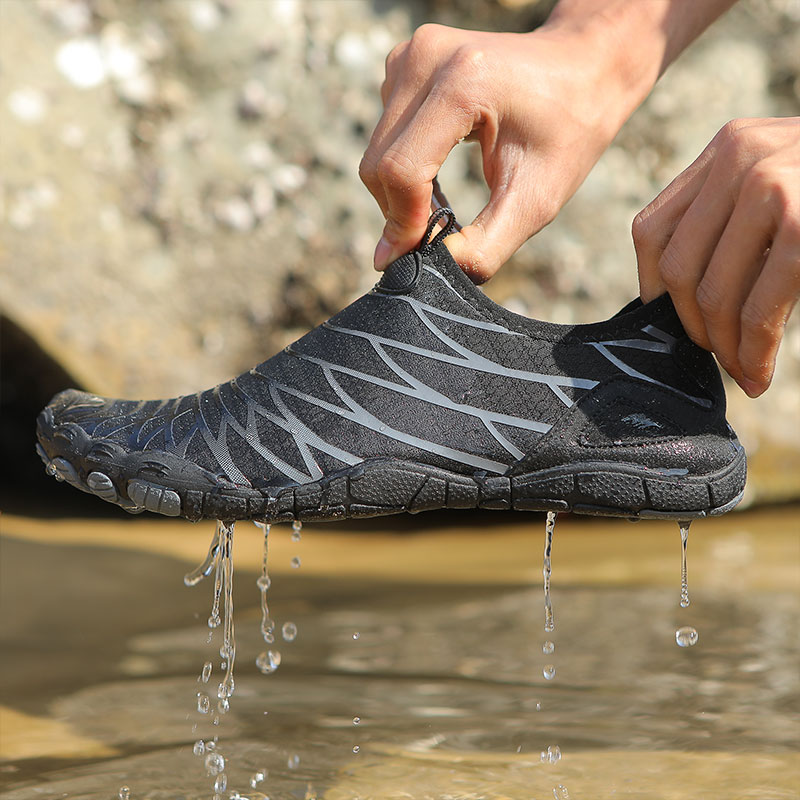
Barefoot vs. Protected: Barefoot offers maximum balance, but specialized footwear prevents severe cuts from oyster beds, burns from hot docks, and toe sprains from deck hardware.
Core Evaluation Metrics: The best footwear requires zero heel lift (zero drop), integrated drainage, and anti-microbial materials.
Environment Dictates Gear: Match the shoe to the terrain—use thin aqua socks for sandy "palm tree" climates and rugged, high-grip soles for rocky "pine tree" shorelines.
Ergonomic Necessities: Paddlers with plantar fasciitis or flat feet require specific arch-supporting water shoes to prevent early fatigue.
Strict Exclusions: Never wear standard tennis shoes, heavy boots, or flip-flops; they damage EVA traction pads and create slipping hazards.
Going barefoot feels natural on a paddleboard. You rely on tactile feedback from the soft foam to maintain stability over choppy water. However, relying solely on bare feet exposes you to hidden dangers before you even start paddling.
Your feet are highly complex sensory instruments. When you stand barefoot on an EVA deck pad, your toes splay outward to grip the textured foam. This natural spreading activates critical ankle stabilizers. It allows your brain to process minute shifts in the water beneath you. Good proprioception means your body instinctively corrects its center of gravity. Traditionalists love this direct connection because it makes balancing almost automatic.
Despite the biomechanical advantages, barefoot paddling presents significant risks. You often encounter dangerous obstacles before your board even touches the water.
Launch Site Dangers: Shorelines rarely consist of pristine, soft sand. You routinely navigate sharp barnacles, hidden glass shards, and jagged oyster beds. Even seemingly safe lakes feature "mystery-squishy" muddy bottoms hiding sharp branches or fishing lures. A deep cut from an oyster shell requires immediate medical attention and ruins your trip.
Equipment Hazards: Your board itself carries hidden risks. Paddleboards feature metal D-rings, rigid handles, and tightly wound bungee cords. Barefoot paddlers frequently jam their toes into this rigid deck hardware during a fall or quick pivot. A fractured toe will keep you off the water for weeks.
UV Exposure: People constantly forget to apply sunscreen to the tops of their feet. The intense reflection off the water amplifies UV rays. This oversight leads to severe, painful sunburns. Protective footwear instantly eliminates this risk.
Common Mistake: Assuming you only need foot protection in the ocean. Riverbeds and quiet lakes harbor submerged glass, rusty hooks, and jagged rocks just inches below the soft mud.
You cannot grab any random pair of water shoes and expect great results. Properly evaluating Lightweight Paddle Board Shoes requires understanding four specific technical metrics.
We advocate strongly for "zero heel lift" designs. In a zero-drop shoe, your heel and toes sit at the exact same distance from the board. Running shoes elevate your heel, which drastically shifts your center of gravity forward. You want a thin, highly flexible sole. This flexibility allows your foot to wrap naturally around the board's contours. You maintain your balance because your foot responds immediately to the board's subtle rolling movements.
Water intrusion is inevitable. Good footwear manages it instantly. Look for Integrated Drainage Systems (IDS). These designs feature micro-mesh panels or specialized holes drilled directly into the sole. IDS technology quickly expels water every time you lift your foot. This rapid drainage reduces physical weight and regulates your foot temperature effectively.
Standard rubber fails on slick, wet fiberglass or wet EVA foam. You require specialized rubber outsoles. Look for compounds specifically engineered for aquatic environments, such as Vibram Megagrip or Wavegrip. These materials bite into wet surfaces without tearing up the delicate foam pad on your board. They provide maximum friction on slippery launch ramps and muddy riverbanks.
A sloppy fit causes severe friction blisters. Your footwear must fit snugly, almost like a second skin. It should lock down securely over your instep so it does not shift when wet. Furthermore, constant moisture creates an ideal breeding ground for bacteria. Emphasize shoes treated with antimicrobial linings. These treatments actively mitigate post-paddle fungal growth and embarrassing odors.
Buying Criteria Summary Chart
Criteria | Ideal Feature | Impact on Paddling Experience |
|---|---|---|
Profile | Zero Drop (No heel lift) | Keeps center of gravity low; mimics barefoot balance perfectly. |
Drainage | Integrated Drainage System (IDS) | Expels water rapidly; prevents shoes from feeling heavy and waterlogged. |
Traction | Wet-grip Rubber Outsoles | Prevents slips on wet EVA foam and slimy boat ramps. |
Hygiene | Antimicrobial Linings | Stops bacterial growth; prevents foot odor after prolonged dampness. |
Your location and your physical health dictate your gear. You must customize your footwear approach based on where you launch and how your feet feel.
We separate paddleboarding terrains into two categories: "Palm" and "Pine."
Sandy/Smooth Launches (Palm): If you paddle in warm, tropical climates with soft sandy beaches, keep it minimal. Use ultralight aqua socks or flexible five-finger shoes. These options provide basic UV protection and shield your skin from hot sand. They offer maximum flexibility and let you articulate your toes fully.
Rocky/River Launches (Pine): Northern lakes, winding rivers, and rocky coastlines demand tough gear. You need sturdier water shoes featuring reinforced rubber toe caps. Thicker soles are mandatory to navigate jagged shorelines, submerged logs, and sharp gravel. Minimalist socks will fail instantly in a pine environment.
Paddling in cold water presents a serious safety challenge. Extremities lose heat rapidly. Standard water shoes offer zero insulation.
For winter paddling, evaluate neoprene surf booties. You must choose a bootie featuring a thick, non-slip sole. Cheap booties often lack grip, turning your board into an ice rink. Alternatively, utilize a smart layering approach. Combine waterproof neoprene wind-chill socks with adjustable outdoor sandals. Ensure the sandals feature secure heel straps and toe loops for aggressive locking. This hybrid system keeps wind off your skin while providing excellent traction.
Standing on a flat board for hours causes tremendous fatigue. Barefoot paddling is agonizing for individuals dealing with physiological foot issues.
If you suffer from flat feet or plantar fasciitis, absolutely bypass minimalist aqua socks. You require lightweight water shoes featuring engineered arch support. A rigid, supportive footbed prevents the arches from collapsing during long sessions. The right ergonomic shoe alleviates heel pain, prevents early leg fatigue, and dramatically extends your time on the water.
Certain types of footwear pose a direct danger to your safety and your expensive equipment. Avoid the following items completely.
Never wear street shoes on a paddleboard. Heavy treads act like sponges. They retain massive amounts of water, adding pounds of dead weight to your feet. More importantly, hiking boots ruin your board. The aggressive rubber lugs trap sharp gravel and small stones. When you step onto the board, these stones gouge deep holes into the soft EVA foam deck. Furthermore, the thick heels of sneakers drastically shift your center of gravity upwards. This guarantees a wobbly, unstable ride.
Many beginners default to flip-flops. This is a terrible choice. Slides lack any heel locking mechanism. They provide zero lateral stability. If you hit a wake, your foot will slide sideways, leading to severe ankle rolls. Additionally, if you fall off, flip-flops instantly float away in strong currents. You will be left barefoot miles away from your launch site.
Cotton is the enemy of water sports. Avoid cotton socks or canvas sneakers entirely. Cotton absorbs water instantly and holds onto it. It feels incredibly heavy when wet and creates immense physical drag if you fall in. Cotton provides zero thermal protection against cold wind. It also takes hours to dry, ensuring you suffer through a miserable, chafing experience.
Best Practice: Always check the material tags on your gear. Stick strictly to neoprene, nylon, mesh, and engineered rubbers.
You can enjoy the best of both worlds. You do not have to wear shoes for your entire trip if you prefer the barefoot experience.
Many paddlers love riding barefoot but face incredibly harsh, rocky launch sites. The solution is the "Launch and Stow" method.
Wear tough shoes on land: Put on your rugged water shoes in the parking lot.
Carry the board safely: Walk confidently over sharp rocks, hot docks, or muddy riverbanks without fear of injury.
Launch into deep water: Wade out until the water reaches your knees.
Stow securely: Sit on your board, remove the shoes, and tuck them tightly under the front bungee cargo net.
Paddle barefoot: Stand up and enjoy the pure deck feel. If you need to portage later, your shoes are ready.
Your off-water routine matters just as much as your gear. Cold-water paddlers often suffer from numb toes after a long session. Follow this actionable advice for quick recovery.
Keep a large, insulated thermos full of warm (never boiling) water in your car. When you finish your session, sit on the bumper and immediately pour the warm water over your frozen feet. This safely and rapidly revives your extremities. Dry your feet completely with a microfiber towel before switching into thick, dry winter boots. This simple life hack transforms a freezing, miserable drive home into a comfortable experience.
Choosing the right gear ultimately comes down to understanding your environment. The ideal footwear eliminates environmental anxieties entirely without isolating you from the subtle movements of your board. You should feel confident stepping into muddy water, knowing you are protected from unseen hazards. At the same time, you should feel intimately connected to the deck pad beneath you.
Take a moment to assess your primary launch environments. Are you navigating sandy tropical shores or traversing rocky, frigid northern rivers? Once you know your terrain, prioritize purpose-built Lightweight Paddle Board Shoes. Look strictly for options featuring zero-drop profiles, rapid drainage systems, and a secure, snug fit. Investing in the right footwear safeguards your health, protects your expensive board, and dramatically improves your overall endurance on the water.
A: Crocs offer excellent buoyancy and basic comfort for casual, flat-water paddling. However, they lack a snug, secure fit. We do not recommend them for aggressive paddling, ocean surf, or white water. Without a tight heel lock, they slip around when wet, severely compromising your balance and board control.
A: Purpose-built water shoes featuring smooth, specialized rubber outsoles are perfectly safe for your board. Conversely, standard street shoes and hiking boots will cause severe damage. Their deep treads trap sharp rocks and gravel, which tear aggressively into the soft EVA foam traction pad.
A: Always rinse your shoes thoroughly with fresh water immediately after your session. Never bake them in direct, intense sunlight, as this degrades the rubber. Let them air dry in a shaded, well-ventilated area. Periodically utilize an antimicrobial sports spray to eliminate lingering bacteria and neutralize deep-set odors.
A: Yes, if you prioritize balance over warmth. You must balance the higher cost against their unique benefits. Five-finger shoes allow independent toe articulation. This specific feature provides superior grip and mimics the exact biomechanics of barefoot paddling while still offering excellent protection against cuts and UV exposure.


