 English
Views: 0 Author: Site Editor Publish Time: 2026-05-20 Origin: Site


You already know you need specialized footwear for your next aquatic adventure. However, the market is currently flooded with options ranging from cheap neoprene socks to high-end amphibious hikers. Selecting the wrong footwear for dynamic marine environments often leads to serious issues. You might experience poor traction on slippery rocks, painful friction blisters, or rapid material breakdown due to harsh saltwater exposure. Standard athletic shoes simply cannot handle the rigors of the shore.
This guide provides an objective framework for evaluating top aquatic footwear brands. We will match specific Coastal Water Shoes to their intended use cases. You will also learn how to establish realistic expectations for durability, fit, and overall performance in challenging environments. By prioritizing function over fashion, you can find the perfect pair to protect your feet and enhance your outdoor experience.
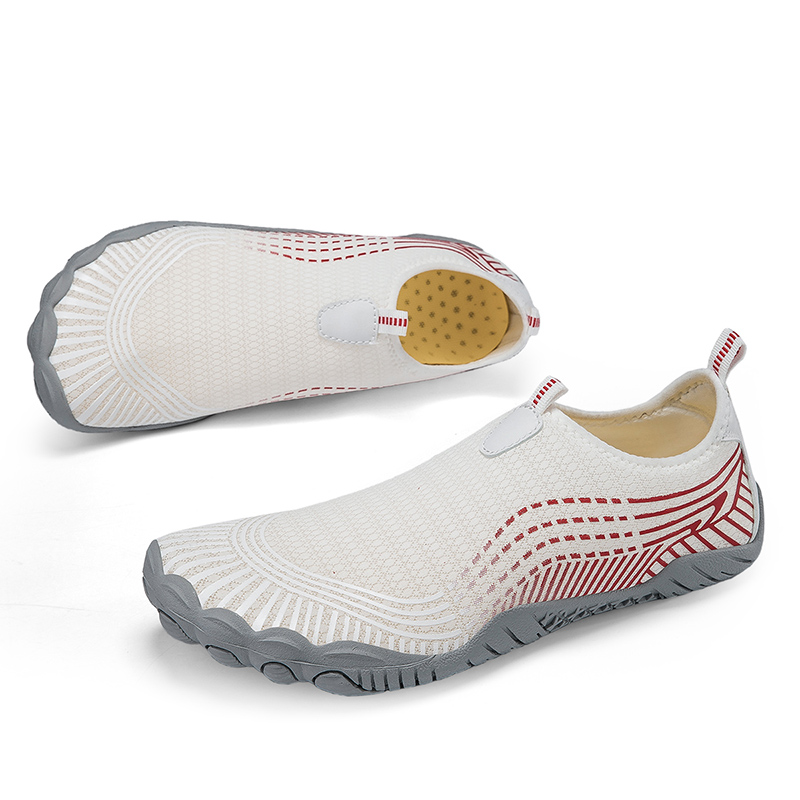
Match the shoe to the terrain: Brands specialize in different environments; a minimalist shoe suited for a sandy beach will fail on a rocky coastal hike.
Drainage dictates comfort: Top-tier brands prioritize rapid water expulsion and airflow over simple waterproof materials.
Traction is non-negotiable: Effective coastal water shoes utilize marine-grade, siped rubber outsoles for grip on wet, mossy, or slick surfaces.
Fit determines function: Sizing for water shoes often differs from standard footwear to prevent slippage and chafing when fully submerged.
Moving across unpredictable shorelines demands unique equipment. The environmental demands of the coast shift rapidly. You might transition from a submerged tidal pool to sharp limestone rocks within minutes. Later, you could find yourself walking across burning hot sand or stepping onto a slick boat deck. Standard footwear cannot adapt to these fast-changing conditions. You need purpose-built footwear to navigate safely.
Many outdoor enthusiasts try to save money by repurposing old athletic shoes. This approach almost always fails. Here are the primary pitfalls of wearing everyday shoes near the water:
Waterlogging: Running shoes use thick foam padding. This foam acts like a sponge, holding onto water and adding heavy dragging weight to your feet.
Lack of toe protection: Standard flip-flops or open sandals leave your toes highly exposed to hidden underwater rocks, sea urchins, and coral reefs.
Inadequate wet-surface grip: Everyday sneakers lack specialized tread patterns. They easily slip on moss-covered stones or wet fiberglass.
Beyond personal comfort, safety and compliance standards play a major role. If you plan to board a watercraft, boat owners usually require non-marking soles. Hard black rubber can leave permanent scuffs on expensive decks. Furthermore, closed-toe designs are practically a safety requirement for unpredictable coastal floors. You cannot always see where you step in murky water. Specialized Coastal Water Shoes meet these strict demands head-on.
Not all aquatic shoes are created equal. You must evaluate them across four distinct dimensions. This ensures you purchase gear capable of surviving harsh marine conditions.
The bottom of your shoe dictates your stability. Manufacturers use specific rubber compounds for wet environments. These compounds remain sticky even when submerged. Furthermore, the tread pattern matters just as much as the rubber type. High-quality aquatic footwear features razor siping. Siping involves cutting tiny, microscopic slits into the rubber outsole. When you step down, these slits open up. They channel water away from the sole, allowing the rubber to make direct contact with the ground. This mimics the technology used in winter car tires.
Waterproof shoes are a terrible idea for full submersion. If water gets inside a waterproof shoe, it stays there. Instead, you need rapid drainage. Premium brands use hydrophobic mesh for the upper sections. Hydrophobic materials repel moisture and refuse to absorb it. Additionally, you should look for midsole drainage ports. These are physical holes built into the bottom of the shoe. They act like a funnel, quickly expelling trapped water.
Keep your expectations realistic regarding drying times. In dry heat, good mesh shoes dry in a few hours. However, in humid coastal climates, drying takes much longer. Proper airflow and material choice remain your best defense against soggy feet.
Coastal hikes subject your feet to severe punishment. You need structural integrity. Look for stiff heel counters. They lock your foot in place and prevent ankle twisting. Toe bumpers provide a thick layer of rubber over the front. This stops you from stubbing your toes on submerged boulders. Finally, underfoot rock plates protect your arches. A rock plate is a thin, flexible shield buried inside the midsole. It stops sharp shells and jagged stones from bruising the bottom of your foot.
Heavy currents easily strip loose shoes right off your feet. Your closure system dictates your security in the water. We can break down the common closure systems into three categories.
Closure Type | Primary Advantage | Common Drawback | Best Environment |
|---|---|---|---|
Bungee Laces | Quick adjustment, never untie in water. | Elastic can degrade over time due to salt. | Active water sports, swift currents. |
Traditional Laces | Customizable, locked-down fit. | Can easily untie when fully submerged. | Coastal hiking, rocky shorelines. |
Slip-On | Easy to put on and take off quickly. | Prone to slipping off in heavy surf. | Boat decks, casual beach wear. |
The footwear market offers diverse solutions for different activities. We can group the top brands into three distinct categories based on their primary use case.
Leading brands in this space include Salomon, Merrell, and Keen. They build shoes designed for aggressive movement.
These shoes are best for rocky coasts, stream crossings, and trail-to-water versatility. If your adventure involves hiking two miles down a dirt trail before wading into a river, this category is for you. They feature aggressive lugs for loose dirt and sticky rubber for wet rocks.
When evaluating amphibious hikers, expect high durability and superior toe protection. They often feature robust synthetic leather and thick rubber bumpers. However, this protection comes with a trade-off. They are generally heavier than minimalist options. They also have slightly longer drying times because of the thicker padding.
Leading brands here include Xero Shoes, Vibram (especially their FiveFingers line), and Vivobarefoot. They prioritize flexibility over heavy armor.
These shoes are best for kayaking, paddleboarding (SUP), and activities requiring high proprioception. Proprioception is your body's ability to sense its position in space. When standing on a paddleboard, you need to feel the board shift under your feet. A thick, rigid sole ruins that sensory feedback.
When evaluating minimalist shoes, you will notice an excellent natural feel. They allow your toes to splay naturally. Because they use so little material, they offer extremely rapid drying times. However, they lack underfoot protection. You will feel every sharp rock you step on. They are poor choices for long, rugged hikes carrying heavy backpacks.
Leading brands in this category include Sperry, Columbia, and OluKai. They focus heavily on marine lifestyle aesthetics.
These shoes are best for boat decks, docks, light beach use, and casual wear. You can easily wear them to a waterfront restaurant after a day on the boat.
When evaluating casual hybrids, they deliver superior wet-deck traction. Brands like Sperry popularized razor siping specifically for slippery yacht decks. They offer great aesthetic versatility. However, they are not designed for rigorous submerged hiking. They lack the ankle support and toe protection necessary for heavy surf or rocky reef exploration.
Use the chart below to quickly compare how these three categories stack up across critical performance metrics.
Shoe Category | Primary Terrain | Underfoot Support | Drying Speed |
|---|---|---|---|
Amphibious Hikers | Rocky Trails, Rivers | High | Moderate |
Barefoot Minimalists | Paddleboards, Kayaks | Low | Fast |
Boat Hybrids | Decks, Sand, Docks | Moderate | Moderate |
Even the best brands will fail if you ignore proper sizing and maintenance. You must actively manage a few implementation risks to get the most out of your gear.
First, you must understand the fit reality. Water acts as a powerful lubricant. Shoes that fit perfectly dry may slip significantly when wet. Your heel might lift, causing severe friction. As a general guideline, many users find success by sizing down slightly for aquatic footwear. If you cannot size down, you must select models with highly adjustable closures. Bungee straps allow you to crank down the tightness once you enter the water.
Second, prepare for the friction and debris problem. Let us operate on a transparent assumption: no water shoe is 100% sand-proof. Fine coastal sand always finds a way inside. High-quality Coastal Water Shoes use tightly woven mesh to block larger pebbles. However, fine silt will still pass through the fabric. Once inside, this grit mixes with moisture. It acts like sandpaper against your bare skin. This creates a high risk of friction blisters. You must periodically take off your shoes and rinse out the accumulated silt.
Finally, you must fight saltwater degradation. The ocean is incredibly corrosive. Saltwater attacks the chemical glues holding your shoes together. It also breaks down the EVA foam used in the midsoles, making them brittle over time. You must adopt strict best practices for post-use care. Always perform a thorough freshwater rinse immediately after leaving the beach. Flush out the drainage ports and scrub the mesh. Allow them to air dry in a shaded, well-ventilated area. Direct sunlight will bake the salt into the fabric and accelerate the degradation of the rubber.
Choosing the right brand requires a systematic approach. Follow these three steps to narrow down your options efficiently.
Step 1: Define the primary environment. Be honest about where you spend your time. Is your priority navigating sharp coral reefs and rocky shorelines? Do you need reliable deck traction for sailing? Or are you mostly engaging in lightweight paddle sports on calm lakes? Pinpoint your exact environment first.
Step 2: Prioritize features. Rank the features based on your defined environment. If you hike coastlines, rank underfoot protection highest. If you kayak, rank drainage and flexibility highest. If you sail, prioritize non-marking soles and wet traction. You cannot have everything in one shoe.
Step 3: Budget vs. Lifecycle. Weigh the upfront cost of premium brands against your frequency of use. High-end brands use durable marine-grade materials that survive multiple seasons. Budget alternatives often rely on cheap glues that dissolve after a few saltwater exposures. Calculate the expected lifecycle. Paying more upfront often saves you from buying three cheap pairs in a single summer.
The "best" brand of aquatic footwear is entirely dependent on your specific coastal activity. A rugged Merrell hiker excels on rocks but feels terrible on a paddleboard. A flexible Vibram shoe shines on a kayak but leaves you bruised on a rocky shore. By applying the evaluation dimensions discussed above, you can confidently match a brand to your exact needs.
As you move closer to a purchase, always prioritize traction, precise fit, and rapid drainage over aesthetics. Good looks will not prevent a slip on a mossy boulder. Make sure to test the fit of your gear with your intended aquatic use in mind. Wear them around the house, simulate the motions of your sport, and adjust the laces. Proper preparation ensures both safety and comfort during your marine adventures.
A: They should fit snugly, slightly tighter than standard street shoes. Water acts as a lubricant, making loose shoes slip and cause severe blisters. A tight, locked-down fit prevents your heel from lifting in heavy currents. However, they should not be so tight that your toes curl or lose circulation.
A: Generally, no. Most water shoes are designed to be worn barefoot, featuring seamless interiors to prevent chafing. However, if you are prone to intense friction blisters from sand, you can wear specialized thin neoprene or synthetic water socks. Never wear cotton socks, as they retain water and ruin drainage.
A: With regular use and proper care, high-quality models last between one to three seasons. Lifespan heavily depends on your maintenance routine. If you diligently rinse them with fresh water after every use and dry them out of direct sunlight, you maximize their longevity. Neglected shoes degrade rapidly.
A: Yes, but they are not ideal for distance swimming. Amphibious hikers are relatively heavy and feature bulky toe bumpers. This added weight and drag make kicking difficult and exhausting. They work fine for wading or short swims across rivers, but minimalist slip-ons are much better for extended swimming.


