 English

Views: 0 Author: Site Editor Publish Time: 2026-06-29 Origin: Site


People often assume barefoot walking or standard flip-flops work perfectly fine for aquatic environments. But a quick slip on a wet pool deck quickly shatters this illusion. Foot injuries in open water and lost footwear in strong currents are frequent frustrations. We constantly underestimate the physical demands of active water use.
A massive gap exists between traditional summer footwear and the harsh realities of water sports. Regular sandals lack essential traction, increase drag, and offer zero heel protection. Active aquatic environments require footwear built specifically to handle these fluid dynamics safely.
This guide provides a clear, objective evaluation of purpose-built aquatic footwear. We explore the tangible benefits these shoes deliver across varying environments. You will learn exactly how to select the right pair based on your actual water use cases.
Injury & Hygiene Protection: Specialized footwear shields against lacerations from hidden underwater hazards and protects against common public pool pathogens.
Functional Traction: Purpose-built non-slip outsoles drastically reduce fall risks on wet, slick surfaces where standard sandals fail.
Performance Stability: Unlike flip-flops, closed-heel aquatic shoes remain secure during active swimming or water sports without creating excessive drag.
Use-Case Specificity: The "best" pair depends entirely on the environment—chlorine pools require different materials than rocky saltwater beaches.
Traditional summer footwear consistently fails when submerged. You cannot rely on slides or flip-flops for active aquatic use. We must understand the mechanical failure of these designs to appreciate purpose-built alternatives.
Standard sandals suffer from a severe mechanical deficit in water. They lack any form of heel retention. Once submerged, buoyant forces easily lift them off your feet. This creates immediate tripping hazards in shallow water. Furthermore, wearing loose sandals forces unnatural foot flexion. Your toes must constantly grip the footbed to keep the sandal attached. This leads to rapid foot fatigue and cramping during prolonged wear.
Walking barefoot introduces even greater risks in uncontrolled environments. Open water presents highly unpredictable variables. You might step on sharp rocks, broken glass, or abrasive coral reefs. Hot sand can cause severe burns on unprotected soles. Hidden debris under murky water poses a constant laceration threat. A minor cut in natural water bodies easily leads to serious bacterial infections.
Compliance overlaps strongly with personal safety in modern facilities. Many public aquatic centers now actively mandate footwear. Facility managers understand the liability of slip-and-fall accidents on slick tiles. They also combat the spread of contagious foot conditions. Consequently, protective water footwear shifts from an optional accessory to a mandatory requirement in many public spaces.
Evaluating aquatic footwear requires looking past basic aesthetics. You must connect specific design features to actual performance outcomes. We evaluate these shoes across three primary dimensions.
Slips and falls account for the majority of pool-side injuries. To prevent this, specialized footwear utilizes advanced rubber compounds. These materials stay pliable and grippy even in cold water. Manufacturers enhance this grip using a technique called siping. Siping involves cutting microscopic slits into the rubber sole. When you step down, these slits expand and channel water away from the contact patch. High-quality Non Slip Swimming Shoes use this exact mechanism. They maintain a firm grip on slick ceramic pool decks and mossy river rocks alike.
Aquatic outsoles must balance flexibility with puncture resistance. Thermoplastic rubber (TPR) provides an excellent solution. TPR soles shield your feet against sharp beach debris without feeling stiff. They easily deflect shells, glass, and sharp stones.
Thermal regulation is another critical outcome. Neoprene materials excel in this area. Neoprene traps a thin layer of water against your skin. Your body heat warms this water, insulating your feet against freezing ocean currents. Conversely, these same materials protect your soles from scorching asphalt or hot sand during mid-summer beach trips.
Regular sneakers become useless once waterlogged. They absorb heavy water, ballooning in weight and ruining your mobility. Aquatic footwear uses rapid-drainage systems to solve this. Mesh uppers and perforated sole vents expel water instantly. When you step out of the surf, the shoes shed excess weight within seconds.
These shoes also feature a highly low-profile design. Bulky shoes create massive drag when swimming. A sleek profile allows water to flow smoothly over the foot. It prevents excessive resistance during freestyle or breaststroke kicking. You maintain your natural swim rhythm while keeping your feet protected.
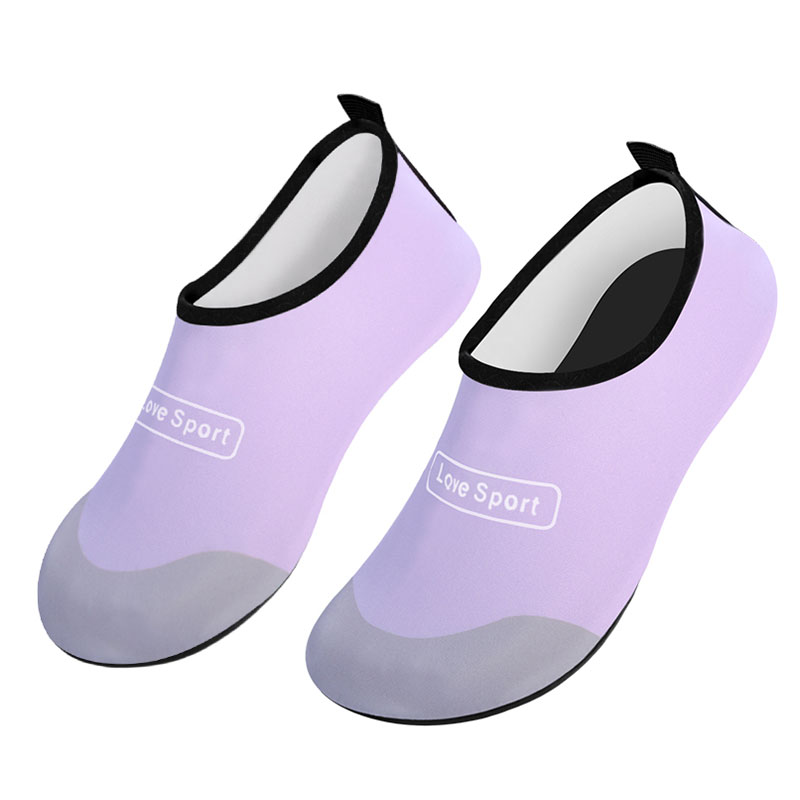
No single shoe performs perfectly everywhere. The "best" choice depends entirely on where you plan to use it. We categorize these solutions by their primary environment.
Pool environments demand specific material properties. High chlorine resistance stands as the top success criterion. You also need maximum grip on wet ceramic tiles. Lightweight construction is essential for repetitive resistance training.
The primary focus here is infection prevention and workout stability. Public showers and pool decks harbor bacteria causing verrucas and athlete's foot. A closed-toe shoe creates a reliable barrier. During aqua aerobics, a grippy sole anchors your stance. It prevents dangerous slips while pushing against water resistance.
Wild swimming introduces harsh natural elements. Success criteria shift toward thicker, puncture-resistant soles. You absolutely need a secure ankle collar. This tight fit keeps abrasive sand, silt, and pebbles from entering the shoe.
The focus centers on safe transitions. You often hike down rugged land trails before reaching wild swimming spots. A durable sole allows you to hike comfortably and step directly into the water without changing footwear.
Board sports require a unique balance of features. High flexibility is vital for board feel. You need to sense the board shifting beneath you. Rapid draining and UV protection are also critical success criteria.
The main focus is maintaining proprioception. Proprioception means sensing your body's position for balance. Rigid shoes ruin your ability to balance on a paddleboard. A flexible sole protects your feet from the board's textured grip pad while letting your toes flex naturally.
Environment | Primary Risk Factor | Must-Have Feature | Ideal Material |
|---|---|---|---|
Public Pools | Slick tiles, bacteria | Maximum siping grip | Chlorine-resistant Mesh |
Rocky Beaches | Sharp debris, pebbles | Thick TPR sole, tight collar | Neoprene blend |
Paddleboarding | Loss of balance, sun exposure | High flexibility, UV protection | Lightweight Spandex/Mesh |
While aquatic footwear provides immense benefits, users must acknowledge specific realities. Proper management prevents discomfort and extends the life of your gear.
The blister risk is a genuine concern. Chafing occurs if shoes are sized incorrectly. Friction also happens if fine sand becomes trapped inside a tight-fitting collar. You must empty trapped debris immediately. Never ignore a hot spot forming on your heel.
Drying times and odor require honest assessment. Neoprene takes significantly longer to dry than breathable mesh. You must practice proper material maintenance. Always rinse your footwear thoroughly with fresh water after use. Saltwater degrades rubber, and chlorine destroys fabrics. Failing to rinse them leads to rapid bacterial buildup and foul odors.
Rinse with clean, fresh water immediately after use.
Remove insoles to accelerate the drying process.
Air dry in a shaded area (direct sunlight degrades rubber).
Never put them in a standard clothes dryer.
Understand their limitations in the water. They certainly reduce drag compared to normal shoes. However, they do not provide the forward propulsion of specialized swim fins. Furthermore, competitive lap swimmers may notice slightly altered kick mechanics. The added buoyancy can change your foot angle during a precise flutter kick.
Choosing the correct pair requires a logical process. Do not buy based solely on color or brand. Apply a structured framework to narrow down your options.
First, apply a material selection framework. Mesh materials breathe well and dry rapidly. They serve as the best choice for pool decks and casual beach walking. Neoprene provides crucial thermal warmth. Choose neoprene for open-water swims or cold river crossings. If you want a versatile option, high-quality Swimming Shoes often blend breathable uppers with durable soles for mixed environments.
Next, evaluate closure systems. Slip-on designs offer ultimate convenience. They work perfectly for calm pools or light beach days. However, active water sports demand bungee or lace systems. Strong ocean currents easily rip loose slip-on shoes off your feet. A secure bungee lace locks the shoe onto your ankle.
Finally, follow a strict sizing protocol. Water shoes must fit more snugly than daily streetwear. Water acts as a natural lubricant. A shoe fitting perfectly dry will often feel loose when submerged. Loose shoes cause severe chafing and easily fall off in currents.
Measure your foot length accurately at the end of the day.
Consult the manufacturer's specific sizing chart, ignoring your "usual" sneaker size.
Size down if you fall between half sizes to ensure a snug, gap-free fit.
Swimming shoes are not a trivial accessory or a marketing gimmick. They represent a targeted solution for safety, hygiene, and performance in aquatic environments. Barefoot walking simply carries too many risks in unpredictable waters. Standard sandals fail mechanically when submerged.
By investing in proper aquatic footwear, you instantly upgrade your water experience. You eliminate slip hazards, protect against hidden lacerations, and maintain vital body heat. You gain confidence stepping onto unknown riverbeds or slippery pool tiles.
Your next step is simple. Define your primary water activity clearly. Are you navigating a rocky beach, doing pool aerobics, or balancing on a paddleboard? Use the frameworks provided above to select the correct material and closure system. Always consult accurate sizing charts before making your final selection. Protect your feet properly, and enjoy your time in the water safely.
A: Yes, and they are often encouraged or required for hygiene and slip prevention, provided they are clean and dedicated strictly to pool use. Always check specific facility rules before entering the water.
A: Yes. While they add minor weight compared to bare feet, their hydrodynamic, form-fitting design creates minimal drag, making them suitable for recreational swimming. They protect your feet without ruining your swim stroke.
A: Generally, no. They are designed to be worn barefoot. Adding socks traps water, increases chafing risks, and defeats the quick-draining purpose of the shoe. The only exception is specialized neoprene dive socks for extreme cold.


