 English
Views: 0 Author: Site Editor Publish Time: 2026-04-22 Origin: Site


Walking on the beach often seems wonderfully simple, yet the terrain holds hidden complexities. You navigate constantly shifting soft sand, scalding surfaces, and slippery tide pools. Jagged shells lie buried just beneath the surface. Standard footwear usually fails miserably in these dynamic coastal environments. Basic flip-flops offer zero stability. Thin, sock-style water shoes degrade rapidly and trap abrasive grains against your skin. Relying on them often leads to rolled ankles, painful blisters, and ruined vacations. You need purpose-built Non-Slip Beach Walking Shoes to handle these specific challenges. These specialized designs expertly balance traction, rapid drainage, and vital foot protection. They keep your feet safe from hazards without sacrificing lightweight comfort. Read on to discover exactly how to evaluate, select, and maintain the ideal footwear for your next coastal adventure.
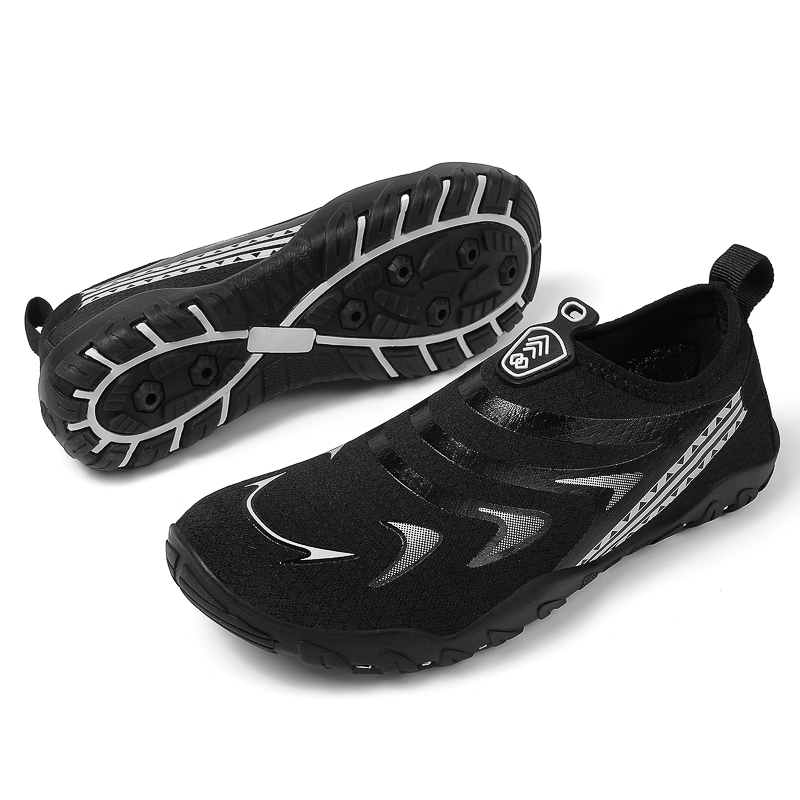
Terrain Dictates Traction: Smooth, wet surfaces require razor-siped soft rubber, while loose, rocky beaches demand deep lugs and hard rubber.
Protection vs. Agility: Closed-toe designs prevent shell lacerations, while open-strap sandals offer better sand clearance.
Material Matters: Synthetic mesh prioritizes quick drainage; neoprene focuses on insulation for colder waters.
Longevity Requires Care: Saltwater and sand are highly corrosive; proper freshwater rinsing is non-negotiable for shoe lifespan.
Let us explore why standard footwear falls short on the shoreline. Beach terrain presents a unique set of physical challenges. Soft sand constantly shifts under your weight. This uneven surface tests your balance every single step. Regular shoes simply lack the environmental adaptations necessary for coastal survival.
Slip-on water shoes lack essential structural support. Once they get wet, your foot slides internally across the footbed. This internal slipping drastically increases your risk of sprains. You cannot rely on flimsy structures when navigating uneven coastal terrain. They compromise your ankle stability entirely. A sudden step into a hidden depression often leads to immediate injury.
Thermal and puncture risks present another massive hazard. Thin soles degrade quickly under harsh coastal conditions. Many cheap water socks fail after just one or two trips. They offer zero barrier against scorching 120°F sand. They also leave you vulnerable to buried glass or sharp coral. Standard footwear simply cannot withstand these hidden coastal dangers. A single piece of jagged debris can pierce a standard foam sole instantly.
Finally, you must avoid the dreaded chafing trap. Basic strappy sandals might look stylish on the boardwalk. However, they easily trap wet, abrasive micro-sand directly against your skin. Friction builds up rapidly as you walk along the shoreline. This combination virtually guarantees painful blisters during longer walks. Standard sandals prioritize open-air aesthetics over functional sand management. They ultimately fail you when covering long coastal distances.
Choosing the right footwear requires a clear understanding of functional design. You must evaluate options based on specific industry-standard criteria. Understanding these physical mechanisms allows you to purchase gear confidently.
Traction is never a one-size-fits-all feature. Outsole design relies heavily on physics and material science. You must match the outsole to your primary terrain. Smooth, wet surfaces demand razor-siped soft rubber. These ultra-thin grooves disperse water instantly to maintain direct surface contact. They function similarly to rain tires on a car. They work exceptionally well on mossy rocks or boat decks. They prevent dangerous hydroplaning on slick coastal structures.
Conversely, loose terrain requires deep lugs and hard rubber. These aggressive treads dig deeply into composite beaches, mud, or jagged rocks. They provide essential mechanical grip in unstable environments. Spaced-out lugs also help shed mud and sticky sand naturally. Consumers must carefully evaluate their primary beach type before purchasing. These two traction profiles remain mutually exclusive. A sole cannot simultaneously be perfectly flat for wet grip and heavily lugged for loose dirt.
Water retention strictly equals physical fatigue. Walking in soggy shoes forces your leg muscles to work harder. The added water weight drastically alters your natural gait. Effective water management keeps you moving comfortably all day. Look for engineered drainage ports built directly into the midsole. They physically pump water out as you step. Hydrophobic mesh uppers also play a crucial role here. They actively repel water and shed it instantly. They refuse to absorb moisture like traditional cotton or nylon materials.
Tide pools hide unseen rocks, crabs, and jagged debris. Open-toed shoes leave your toes dangerously exposed to these elements. One wrong step can ruin an entire vacation. Closed-toe designs offer critical defense mechanisms. They frequently feature a reinforced rubber bumper across the front. This simple addition prevents stubbed toes, fractured bones, or torn nails. It allows you to navigate rocky shores and hidden submerged ledges confidently.
Every coastal activity demands a specific footwear profile. You must align your shoe choice with your intended exertion level. Here is how different categories perform in real-world scenarios. We can break down the primary categories into a clear comparison matrix. This chart illustrates the ideal use cases and trade-offs for each style.
Shoe Category | Best Use Case | Key Advantage (Pros) | Main Drawback (Cons) |
|---|---|---|---|
Quick-Dry Water Sneakers | Transitioning from town to beach | Athletic support, stylish look | Slower drying time than minimal options |
Water-Focused Hiking Shoes | Rugged trails, rocky shores | Superior protection, aggressive traction | Heavier weight, reduced water agility |
Neoprene Booties | Cold water activities (surfing) | Excellent thermal retention | Zero breathability on hot, dry sand |
Secure-Strap Active Sandals | Hard-packed wet sand walking | Unbeatable breathability | Leaves feet vulnerable to punctures |
Quick-Dry Water Sneakers
These hybrid models bridge the gap between casual and active wear. They serve perfectly for transitioning from coastal cafes directly to the shoreline. They offer the familiar look and arch support of a traditional athletic shoe. They incorporate advanced drainage capabilities to handle unexpected splashes. However, they do take slightly longer to dry completely than purely minimalist options.
Water-Focused Hiking Shoes
Choose these for rugged coastal trails, rocky shores, and extended walking. Thicker midsoles and aggressive outsoles provide superior physical protection. You can confidently navigate jagged volcanic rock or dense oyster beds. This heavy-duty protection comes at a specific cost. They add noticeable weight and reduce your overall agility in the water. For intense environments, they act as highly durable Non-Slip Beach Walking Shoes.
Neoprene Booties
These specialized booties dominate cold water activities like surfing or deep wading. They offer excellent thermal retention by utilizing your own trapped body heat. A snug fit prevents cold ocean water from flushing through constantly. They act exactly like a wetsuit for your feet. Consequently, they are entirely inappropriate for dry, hot sand walking. They lack any meaningful breathability for warm climates.
Secure-Strap Active Sandals
Active sandals excel during hard-packed wet sand walking. They offer easy, continuous sand clearance as you move. They provide unbeatable breathability in sweltering tropical heat. However, this open design leaves your foot highly vulnerable. You risk painful punctures from hidden shoreline debris. They also expose your skin directly to severe sunburns over long durations.
Selecting the proper size determines your overall comfort and safety. Ill-fitting footwear causes immense friction and ruins your natural gait. Material choice equally impacts how your feet regulate temperature throughout the day.
The sizing matrix operates differently for water-specific footwear. Barefoot wearers should always purchase true-to-size models. This precise fit prevents internal slipping when navigating wet surfaces. Extra room creates dangerous instability during lateral movements. A loose water shoe easily causes massive blisters as wet fabric rubs repeatedly against your heel. You want a snug, secure wrap around the entire foot.
However, cold-water climates require a completely different sizing approach. You might plan to wear neoprene insulation socks inside your shoes. These insulating layers generally add 3-5mm of total thickness. In this scenario, you must size up accordingly. Choosing a half or full size larger accommodates this essential thermal layer comfortably. Ignoring this rule results in agonizing foot compression and restricted blood flow.
You must also navigate the material trade-off between mesh and neoprene. Synthetic mesh stands as the ideal choice for tropical, high-heat environments. Maximum airflow and rapid drying are paramount under a scorching sun. Mesh actively ventilates the foot chamber to prevent excessive sweating. It keeps your feet cool even on glaring white sand.
Neoprene serves a completely different environmental purpose. It acts precisely like a miniature wetsuit. It intentionally traps moisture to heat it via your body temperature. You should only evaluate neoprene for strictly cold-water scenarios. Wearing neoprene on a hot summer beach guarantees dangerously sweaty, overheated feet. It often promotes rapid fungal growth due to the trapped, hot moisture.
Owning excellent gear solves only half the equation. Proper implementation and maintenance ensure long-term satisfaction. Seasoned coastal adventurers rely on a few specific field-tested usage hacks. We highly recommend adopting these daily protocols to protect your investment and your comfort.
The Upside-Down Rule: Removing shoes at the beach entrance requires specific care. Always place them soles-up in the sand. This simple habit prevents the dark footbed from absorbing direct UV rays. It effectively stops the material from scalding the soles of your feet upon re-entry. You will never burn your arches again.
The Baby Powder Method: Stubborn wet sand clings aggressively to damp skin. Simply apply standard baby powder directly to your feet and ankles. It rapidly absorbs all residual moisture from your skin. This allows the abrasive sand to brush off effortlessly before you put on dry socks or transition shoes.
Corrosion Prevention: Saltwater actively degrades industrial adhesives and rubber compounds. A thorough freshwater rinse immediately after use remains absolutely mandatory. Air-dry your footwear in a shaded, well-ventilated area. This prevents bacterial odor buildup and halts premature material breakdown.
Failing to observe these maintenance rules drastically reduces footwear lifespan. Salt crystals act like microscopic razor blades inside the fabric mesh. As you walk, these dried crystals shred the synthetic fibers from the inside out. Consistent rinsing preserves the structural integrity of the upper. Proper shade drying protects the rubber outsoles from aggressive UV degradation and dry rotting.
Finding the best shoes to wear when walking on the beach requires matching outsole traction, material drainage, and structural support to your specific coastal environment. Standard footwear simply cannot handle the demanding combination of shifting sand, sharp shells, and corrosive saltwater.
Here are your actionable next steps for a successful footwear selection:
Assess your primary beach topography to determine if you need soft razor sipes or hard, deep lugs.
Estimate your intended activity duration to balance necessary arch support against lightweight flexibility.
Prioritize a closed-toe design with a dedicated midsole drainage system for maximum versatility.
Establish a strict post-beach freshwater rinsing routine to protect your investment.
Equipping yourself with appropriate gear transforms your coastal experience. It eliminates painful hazards and lets you focus completely on enjoying the ocean. Make your selection thoughtfully and walk the shoreline with total confidence.
A: While possible on hard-packed wet sand, standard running shoes trap abrasive sand and retain heavy saltwater. This harsh combination heavily accelerates shoe breakdown and causes painful blisters. Dedicated beach running shoes featuring hydrophobic mesh and drainage ports are strongly recommended for coastal runners.
A: Rinse them thoroughly with fresh water immediately after every single use. For lingering odors, soak them briefly in a mild solution of cold water and baking soda. Always air dry them completely out of direct sunlight. Never use a high-heat tumble dryer, as it destroys the internal adhesives.
A: Thin soles mimicking a barefoot style offer better proprioception. They excel for swimming and navigating pristine soft sand. Conversely, thick soles are strictly necessary for composite beaches. You need that heavy bottom layer to safely cross sharp rocks, crushed shells, and highly uneven coastal terrain.


