 English
Views: 0 Author: Site Editor Publish Time: 2026-04-27 Origin: Site


Are you tired of losing your flip-flops in turbulent water? Standard beach sandals fail quickly when you transition from soft sand to slippery river rocks. You need reliable footwear designed specifically for mixed aquatic and terrestrial environments. The baseline requirement for Multi-Sport Water Shoes comes down to three crucial factors. They must offer reliable traction on slick surfaces. They need efficient drainage systems to shed water weight quickly. They also require robust underfoot protection against hidden underwater hazards.
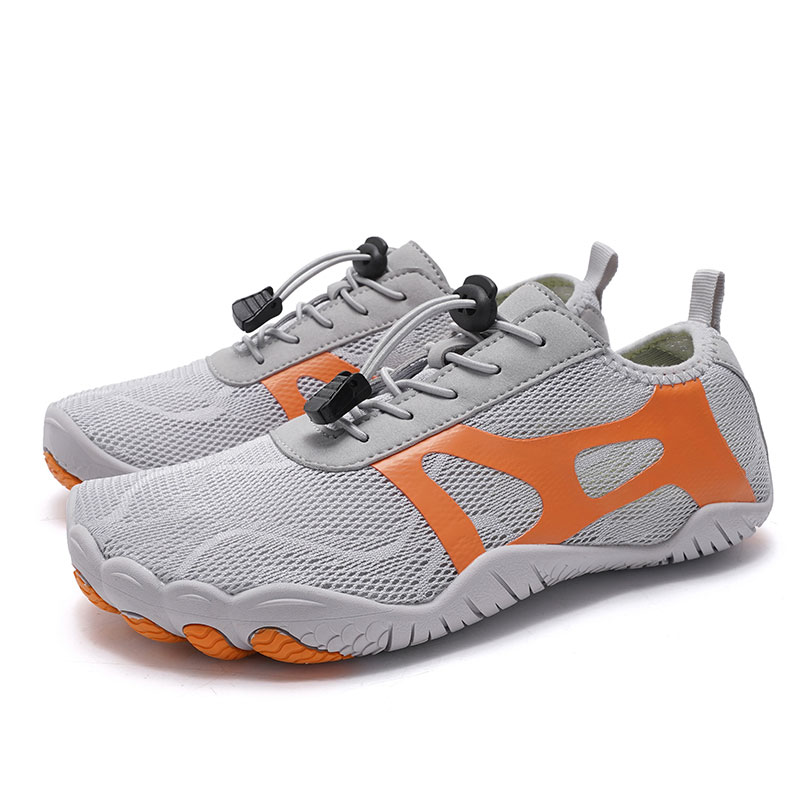
We base our evaluation methodology on verified, real-world testing criteria. We look closely at traction geometry to ensure maximum grip. We examine how effectively different designs manage sand and debris. We also test material durability under intense, wet conditions. In this guide, you will learn exactly how to match specific shoe categories to your primary outdoor activities. We will cover crucial sizing strategies, hidden material flaws, and the essential features required to keep you safe on the water.
Multi-sport water shoes must align with your primary environment (e.g., thick soles for sharp shorelines vs. flexible, low-profile designs for kayak cockpits).
Open-toe or sandal-style water shoes often trap gravel and sand, causing friction injuries; closed-mesh designs are superior for hiking.
Buoyancy matters: High-quality water shoes should have neutral or positive buoyancy so they don't sink if lost in deep water.
Sizing requires strategy, as many brands skip half sizes and fit differently when paired with neoprene socks.
Finding the right amphibious footwear requires a strict grading system. We do not rely on simple aesthetics. We analyze the engineering behind each model. You need gear built to handle specific environmental challenges. Here is our exact evaluation framework.
Deep, aggressive lugs fail miserably on wet river rocks. Traditional hiking tread reduces the surface area contacting the stone. Hard rubber compounds slide effortlessly over wet algae. Instead, aquatic environments demand "razor siping." Manufacturers cut micro-slits directly into soft rubber outsoles. These fine slits expand outward under your body weight. They create thousands of tiny gripping edges. This siping mechanism actively pushes water out from under the shoe. The resulting friction mimics the grip of a specialized winter tire on wet ice.
Waterlogged shoes cause immense fatigue. We assess how rapidly each shoe expels water. Many models use lightweight mesh uppers. Mesh drains instantly but leaves your foot vulnerable to cold winds. Other designs incorporate perforated footbeds. These systems channel water down through holes in the midsole. They expel liquid out the sides of the sole. Rapid drainage prevents painful blister formation. However, highly ventilated shoes perform poorly in cold climates. You must balance drainage speed against your local temperature requirements.
We evaluate underfoot armor using the "Zebra Mussel Test." Invasive zebra mussels coat rocks in many North American lakes. Their broken shells are exceptionally sharp. Submerged barnacles and broken glass pose similar threats. We test sole thickness against these razor-sharp hazards. A thin, minimalist sole offers great flexibility. However, it will not protect you from a serious puncture wound. We demand high-density rubber or specialized composite plates for shoreline exploration.
Losing a shoe in a fast-moving current ruins your trip. We critically evaluate locking mechanisms. Traditional laces often untie when soaked and battered by turbulent water. Bungee cord systems offer a much more secure lock. They maintain constant tension across your instep. Furthermore, we test whether the shoe floats when fully submerged. Dense rubber materials often possess negative buoyancy. If they slip off, they sink straight to the bottom. High-quality designs maintain neutral or positive buoyancy.
Feature | Ideal Scenario | What to Avoid |
|---|---|---|
Razor Siping | Slippery river rocks, smooth boat decks, wet logs. | Deep, rigid hiking lugs. |
Bungee Locking | Turbulent whitewater, surf zones, muddy banks. | Standard cotton laces. |
Positive Buoyancy | Deep lakes, ocean swimming, capsize recovery. | Heavy polyurethane midsoles. |
Manufacturers build distinct profiles for different activities. You cannot expect a minimalist paddling bootie to survive a rugged canyon hike. We divide the market into three core functional categories. Understanding these profiles ensures you buy the correct tool for the job.
This category bridges the gap between terrestrial hiking shoes and aquatic footwear. They look very similar to standard trail runners. However, their internal engineering differs drastically.
Target Profile: Users logging high mileage on trails crossing rivers or flooded terrain.
Core Requirements: Excellent arch support is mandatory. They need cushioned midsoles made of water-resistant EVA foam. Reinforced rubber toe caps provide essential impact protection against submerged boulders.
Shortlisting Logic: You must prioritize models featuring tightly woven, closed-mesh uppers. Open designs allow sharp gravel to enter. Closed-mesh blocks debris while you hike through muddy shorelines.
Paddlers face entirely different spatial constraints. Boat cockpits are cramped. Paddleboards require a sensitive feel for balance. Big, bulky hiking soles create serious hazards in these environments.
Target Profile: Users needing maximum flexibility for tight boat spaces and a flat grip for paddleboards.
Core Requirements: Extreme flexibility is paramount. They should feature a low heel-to-toe drop for better deck balance. Zero-snag lacing systems prevent dangerous entanglements inside a kayak.
Shortlisting Logic: Prioritize ultra-lightweight Multi-Sport Water Shoes utilizing sticky, non-marking rubber outsoles. These soles will not leave dark scuff marks on expensive fiberglass boat decks.
Cold water introduces life-threatening risks. Numb feet lead to poor balance and severe injuries. These booties prioritize thermal retention over breathability.
Target Profile: Users operating in frigid water temperatures where hypothermia or joint stiffness remains a constant risk.
Core Requirements: You need a minimum of 2mm to 3mm neoprene construction. High-end models include plush thermal linings to reflect body heat.
Shortlisting Logic: Select your bootie based on the ankle seal tightness. A loose collar allows cold water to constantly flush through the shoe. A tight seal traps a thin layer of water. Your body heat quickly warms this trapped water, providing excellent insulation.
Marketing brochures rarely mention the unpleasant realities of aquatic footwear. Real outdoor enthusiasts discover these flaws miles away from the trailhead. We highlight three major pitfalls you must proactively manage.
Many brands sell open-sided water sandals. They look fantastic for casual beach days. However, they possess a hidden structural flaw. Small pebbles and abrasive sand easily wash into the open sides. These irritants get wedged between your heel and the textured footbed. Once trapped, flushing them out becomes impossible. You cannot simply shake your foot underwater. You must completely unstrap and remove the shoe. Over several miles, this friction creates deep, painful lacerations. If you plan to walk extensively, avoid open-sided sandals.
Aquatic environments destroy cheap footwear. Saltwater acts as a powerful corrosive agent. Pool chlorine aggressively degrades synthetic fabrics. Most budget shoes rely on inexpensive petroleum-based glues to attach the sole. These glues quickly crystallize and fail when exposed to harsh water chemistry. The sole eventually peels away completely. Emphasize models utilizing sustainable, non-petroleum based adhesives. Better yet, look for fully stitched outsoles. Stitched construction physically locks the sole to the upper, guaranteeing long-term durability.
Swamp-foot is a genuine issue. Dark, damp environments breed bacteria rapidly. Wet shoes left in a hot car develop overwhelming odors within hours. This microbial buildup ruins expensive gear. Address this reality before making a purchase. Point your search toward modern shoes featuring plant-based algae foam. This foam naturally resists bacterial growth. Other premium models embed antimicrobial silver treatments directly into the fabric. These chemical treatments significantly mitigate horrific swamp-foot smells.
Buying amphibious footwear online presents unique sizing challenges. Water dramatically changes how materials interact with human skin. Follow these specific rules to guarantee a secure, blister-free fit.
The outdoor footwear industry has an annoying norm. Multi-sport water shoes rarely come in half sizes. This forces consumers into difficult choices. We use a very clear rule to solve this dilemma. Size up if you plan to wear thick waterproof or neoprene socks. The extra volume accommodates the 2mm-3mm fabric comfortably. Conversely, size down if you intend to wear the shoes barefoot. A snug, barefoot fit ensures a secure grip in strong river currents. Loose shoes will cause severe friction blisters when wet.
Materials behave differently underwater. Water naturally causes certain upper fabrics to stretch. Leather and nylon will loosen significantly after ten minutes of submersion. A shoe feeling perfectly snug in your living room might feel dangerously sloppy in a river. This reality makes adjustable tension systems absolutely critical. Look for designs featuring mid-foot straps or wrap-around lacing. You must be able to tighten the shoe securely once the materials expand.
Destination travelers face strict luggage limits. Bulky trail runners consume far too much valuable space in a carry-on bag. Highlight the value of collapsible heel cups. Some manufacturers design the heel to fold completely flat without damaging the structure. Look for "squish flat" upper designs. These models compress down to the thickness of a magazine. They slide effortlessly into the side pockets of a duffel bag, leaving plenty of room for your other gear.
No piece of outdoor gear achieves pure perfection. Every design involves compromises. You must learn to differentiate between minor annoyances and critical safety failures. Keep these specific factors in mind while shopping.
Some issues do not compromise safety or primary functionality. You should comfortably accept these minor drawbacks.
Slight Squeaking: Soft, siped rubber grips wet rocks perfectly. However, this sticky rubber often squeaks loudly on dry, hard floors. This is normal.
Longer Drying Times: Shoes offering heavy toe protection use thicker materials. They simply take longer to dry in highly humid climates.
Lack of Ankle Support: Low-profile paddling shoes do not stabilize the ankle. They prioritize boat space and flexibility over rigid support.
Never compromise on safety. Return the shoes immediately if you discover any of these major engineering failures.
Slippery Plastic Outsoles: Cheap shoes often use hard plastic blends instead of real rubber. They feel slick to the touch. They will cause catastrophic slips on wet terrain.
Unreliable Laces: Standard laces untie constantly in turbulent whitewater. This creates an immediate snagging hazard.
Abrasive Internal Seams: Run your bare fingers inside the heel cup. If you feel thick, protruding seams rubbing the Achilles tendon, do not buy them. Wet skin blisters rapidly.
Selecting the best aquatic footwear requires a clear evaluation of your primary environment. Focus heavily on specialized traction mechanisms for wet rocks. Prioritize sole thickness if you plan to navigate sharp coastal objects. Choose low-profile, flexible designs if you spend your days inside small boats. Never ignore the importance of adjustable retention systems and antimicrobial treatments.
Before purchasing your next pair, execute one critical action step. Verify your local water temperatures and assess your typical shoreline terrain. Match your shoe category precisely to those conditions. Doing so guarantees better comfort, improved traction, and a safer outdoor experience.
A: Yes. Flip-flops float away easily in the surf and offer zero ankle support. Multi-sport shoes feature secure retention systems like bungee laces. They stay firmly attached during turbulent wave action. Furthermore, closed-toe designs protect your bare feet from submerged objects like broken shells or sharp reef structures.
A: It depends on the specific design. Minimalist paddling booties lack the support needed for concrete. However, amphibious trail runner crossover models include adequate arch support and substantial EVA midsole cushioning. These specific models handle regular daily walking comfortably while retaining excellent aquatic drainage.
A: It is optional but often recommended. Wearing neoprene or waterproof socks provides crucial temperature regulation in cold environments. Socks also eliminate skin-to-shoe friction, drastically reducing blister formation. If you choose barefoot wear, ensure the shoe fits very snugly to prevent internal foot sliding.
A: Begin with a thorough freshwater rinse immediately after exposure to saltwater or muddy rivers. Remove the insoles completely to expose the footbed. Air dry the shoes in a shaded, well-ventilated area. Always avoid direct high-heat dryers, as intense heat destroys rubber outsoles and melts synthetic glues.


