 English

Views: 0 Author: Site Editor Publish Time: 2026-06-05 Origin: Site


Finding a sneaker that provides maximum airflow without sacrificing the structural support needed for all-day wear presents a persistent dilemma. You want cool feet, but you also need enough arch support to navigate cobblestones or airport terminals without severe pain. The footwear industry often heavily markets tight-knit uppers as highly "breathable." However, physical realities often expose a frustrating gap in these marketing claims. These snug, elastic fabrics frequently act as insulators. They cling tightly to the skin, trapping heat and generating friction directly against your foot.
Our objective is to cut through the marketing noise and provide clarity. We offer a strict, evidence-based framework to evaluate top sneaker brands. You will learn to assess footwear based on actual ventilation mechanics and material science. We also cover specific use-cases, like hot-weather travel or navigating coastal environments. By understanding how internal airflow truly functions, you can make smarter footwear choices for your next adventure.
Airflow is Structural: True breathability requires a combination of perforated materials and a roomy toe-box; tight-fitting shoes generate friction heat regardless of the fabric.
Waterproof vs. Breathable: These features are inherently at odds. Optimal hot-weather and breathable beach sneakers abandon waterproof membranes in favor of quick-drying, highly ventilated meshes.
The Comfort Trade-off: Maximum underfoot cushioning often retains heat. The best brands balance shock absorption with temperature-regulating insoles.
Accessories Matter: Even lab-tested breathable shoes fail without proper moisture-wicking socks (e.g., lightweight merino wool) to pull sweat away from the skin.
True footwear ventilation operates like an air-cooled engine. A highly porous mesh shoe might feel completely stagnant while you sit at a desk. Airflow requires a mechanical catalyst to function properly. As your heel strikes the ground and your toe lifts off, the internal volume of the shoe compresses and expands. This regular compression acts as a physical pump. It forces stale, humid air out through the mesh panels. It then creates a vacuum effect, pulling cooler, ambient air back inside. Without this pumping action, even the most ventilated meshes cannot perform their primary cooling function.
Internal space plays a critical role in temperature management. Brands engineering wider toe-boxes naturally allow for better internal air circulation. This extra physical volume creates an internal micro-climate. The added airspace makes them objectively cooler than narrow alternatives. Conversely, tight, sock-like knit shoes cling directly to the foot. They trap body heat and eliminate the convective airspace required for active cooling. You need a gap between the fabric and your skin for sweat evaporation to occur effectively.
Heat generation inside a shoe involves much more than the ambient weather. Biomechanical friction serves as a massive, often ignored heat source. When you walk, your foot shifts slightly. This movement creates constant rubbing against internal fabrics. Three specific factors generate and trap this thermal energy:
Insole Friction: Feet sliding against standard closed-cell foam insoles generate significant thermal buildup with every step.
Tight Midfoot Lacing: Over-tightening laces restricts blood circulation. It also presses insulating materials directly against your skin, eliminating cooling gaps.
Thick Cushioning Foams: Dense midsoles absorb pavement impacts beautifully. Unfortunately, they also absorb and store heat radiating from the soles of your feet.
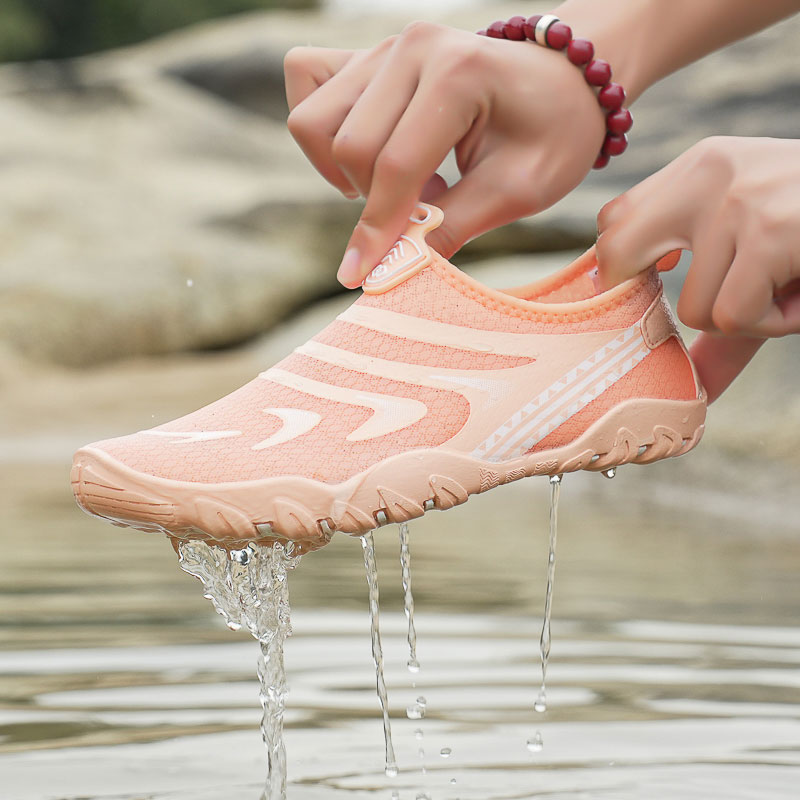
Coastal environments demand highly specific footwear traits. You must evaluate shoes differently when dealing with sand, salt, and intense sun. First, address the fundamental clash between waterproofing and quick-drying capabilities. For coastal trips, selecting the right Breathable Beach Sneakers means abandoning waterproof labels entirely. Recommend prioritizing quick-drying synthetic meshes or traditional canvas. You should avoid Gore-Tex or any waterproof lining completely. These membranes suffocate the foot by blocking rapid vapor transfer.
Feature | Quick-Dry Synthetics | Waterproof Membranes |
|---|---|---|
Primary Mechanism | Allows water in but drains and evaporates moisture rapidly. | Blocks outside water from entering the shoe completely. |
Heat Retention | Very low. Air flows freely through open mesh structures. | High. The membrane traps body heat and internal humidity. |
Best Use Case | Beach walks, hot climates, and amphibious coastal activities. | Cold rain, snow, and muddy winter trails. |
You must differentiate between ventilation and moisture-wicking architecture. Ventilation lets cool air inside the shoe. Moisture-wicking pulls hot sweat away from your skin. Evaluate brands based on their internal material choices. Do they use perforated foams? Do they feature natural cork footbeds? Do they utilize proprietary moisture-wicking linings? These internal elements matter just as much as the exterior mesh design. Simply letting air in will not keep your foot dry if the internal lining acts like a sponge.
Open meshes invite fine beach sand inside. This creates severe irritation during long walks. Highlight the need for tightly woven secondary mesh layers. A dual-layer system solves this specific problem. The outer layer handles structural support and durability. The inner layer acts as a fine filter. This intelligent design allows fresh air to penetrate while keeping irritating beach sand out.
When assessing top footwear brands, focus on their specific engineering approaches rather than just listing product names. Maintain an objective, skeptical tone regarding proprietary technology claims. Here is how major brands tackle high-heat environments.
These legacy brands rely on traditional athletic builds. They utilize wide-gauge meshes alongside highly generous toe-boxes. They consistently rank top-tier in lab-tested "smoke tests." During these tests, injected smoke instantly escapes through the broad mesh panels. The wide internal spaces facilitate excellent airflow. They remain best for users prioritizing verified ventilation and robust shock absorption. You trade minimalist aesthetics for highly functional, structural cooling.
These newer companies utilize alternative materials. For example, some weave uppers from eucalyptus tree fibers. They also heavily feature ultra-wide, foot-shaped toe boxes. These models perform excellently for casual travel. Their static breathability is outstanding, allowing feet to cool even when sitting still. However, we must flag their distinct limitations. They often lack aggressive outsole traction. They also struggle with long-distance durability compared to traditional synthetic plastics.
These giants focus heavily on the strategic placement of exhaust cutouts. They incorporate lightweight, fused synthetic panels to reduce overall bulk. They show strong performance for active or running scenarios. Your physical speed generates the necessary airflow for their designs. However, beware of specific lifestyle models featuring overly thick tongues. A plush, padded tongue traps significant heat directly at the instep, ruining the overall cooling effect.
These brands combine breathable recycled polyesters with distinct, segmented outsole cushioning. These shoes offer a fantastic balance of daily comfort and airflow. They excel in urban travel and casual walks. Still, their segmented soles possess a minor flaw. The deep grooves can occasionally collect beach debris. Pebbles, gravel, and wet sand easily wedge into the sole gaps during coastal hikes.
Brand Category | Engineering Approach | Ideal Scenario |
|---|---|---|
Structural Innovators | Wide-gauge mesh + traditional structural support. | All-day urban walking with heavy foot-strikes. |
Material Disruptors | Natural fibers (eucalyptus) + foot-shaped toe boxes. | Casual travel and static heat management. |
Zonal Specialists | Strategic laser cutouts + fused lightweight synthetics. | Running, gym workouts, and high-speed movement. |
Hybrid Brands | Recycled polyesters + segmented foam cushioning. | Versatile daily wear and airport transit. |
Consumers constantly face the sole thickness dilemma. Ultra-breathable shoes often feature incredibly thin soles. Thin soles reduce overall weight significantly. However, they cause extreme fatigue on uneven cobblestones. Conversely, highly cushioned shoes act as thermal blankets. Dense EVA foam traps heat effectively beneath your foot. It absorbs impact but refuses to let thermal energy dissipate downward.
To navigate this trade-off, focus carefully on evaluating the insoles. Guide buyers to look for brands offering perforated, open-cell polyurethane insoles. These porous structures allow heat to escape downward into the midsole channels. If the stock shoe lacks this feature, take action. Proactively replace standard cheap foam insoles. Aftermarket cooling inserts drastically lower internal temperatures while maintaining comfort.
When shortlisting models for all-day travel, use practical logic. Accept a minor reduction in absolute breathability to secure necessary arch support. You need EVA foam durability to survive a 15,000-step travel day. Sacrificing all structural support for maximum airflow usually leads to severe foot pain. If your travel includes sandy boardwalks, you still need decent cushioning in your Breathable Beach Sneakers to protect against hard concrete paths linking the shoreline.
We must state this plainly: wearing cotton socks neutralizes the benefits of expensive breathable shoes. Cotton absorbs sweat rapidly but refuses to dry. This creates a humid, uncomfortable swamp inside your shoe. We strongly recommend investing in ultralight merino wool. Synthetic performance blends also work beautifully to wick moisture. They pull sweat away from the skin and push it toward the shoe's ventilated upper.
You need strict maintenance routines for continued airflow. Dust, dirt, and dried sweat clog micropores in mesh over time. When these tiny pores clog, thermal performance drops to zero. Regular cleaning is required to maintain the shoe's cooling capabilities.
Dry Brushing: Use a soft-bristle brush weekly to remove surface dust from the mesh.
Spot Cleaning: Wipe away mud splatters immediately before they dry and seal the fabric.
Avoid Heat: Never put mesh sneakers in a mechanical dryer; this melts the synthetic fibers and destroys porosity.
Finally, implement a strict footwear rotation strategy. Allow shoes 24 hours to fully air dry between heavy uses. This simple habit prevents harmful bacteria buildup. It also eliminates persistent, deeply embedded odors. Remember, high breathability does not equal complete immunity to foot sweat. Even the most ventilated fabrics need adequate downtime to purge residual internal moisture.
No single shoe brand defies the basic laws of physics. The ultimate footwear choice depends entirely on your specific environment and activity level. Running requires aggressive zonal ventilation, while coastal walking demands dual-mesh drainage systems.
Determine Your Use Case: Identify whether you need track performance, casual travel aesthetics, or beach-ready drainage.
Prioritize Internal Volume: Remember that a roomy toe-box cools the foot far better than a skin-tight knit mesh.
Upgrade Your Insoles: Offset the heat trapped by thick foam midsoles by inserting open-cell cooling insoles.
Inspect Physical Elements: Physically check the tongue thickness and test the toe-box flexibility before making a final purchase.
Your next step is simple. Review your shortlisted sneakers against this structural framework. Ensure you pair your final footwear choice with high-performance merino wool socks to guarantee maximum cooling efficiency.
A: No. They simply reduce the trapped moisture that odor-causing bacteria thrive on. Moisture-wicking socks and a proper rotation strategy are still strictly required. You must allow your shoes to fully air dry between wears to prevent odors from setting in permanently.
A: Yes, provided they are not overly porous to the point of letting all the sand in. Look for specific coastal footwear featuring dual-layer mesh. These clever designs block fine sand irritants while maintaining high airflow and rapid water drainage.
A: Knitted uppers usually fit snugly against the skin. This tight fit entirely eliminates the internal airspace required for convection cooling. Furthermore, the constant rubbing of the elastic fabric against your foot creates significant friction heat during every movement.


