 English
Views: 0 Author: Site Editor Publish Time: 2026-04-15 Origin: Site


More hikers are trading heavy boots for open-air footwear. Traditionalists often view this shift suspiciously. They question whether exposed feet can survive without rigid ankle support. They also doubt the safety of hiking without thick toe bumpers. This skepticism highlights a critical issue we call the "comfort paradox." You might try on soft, cloud-like foam sandals in a store. They feel amazing initially. However, plush foam compresses quickly under body weight. By mile three, arch fatigue sets in. Friction then causes severe, blister-inducing pain. True comfort requires measurable biomechanical stability. You need aggressive friction management. You also need reliable dual-layer traction for trail success. This guide unpacks objective criteria for evaluating trail-ready footwear. We will examine how ShoreFlex Hiking Sandals align with these crucial performance metrics.
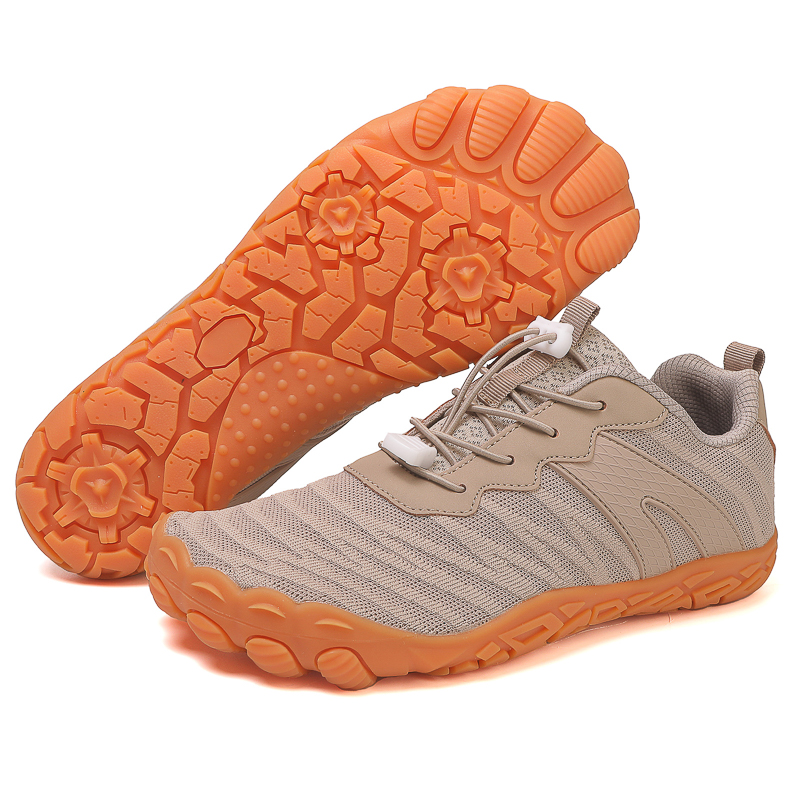
Trail comfort relies on "dual grip" (outsole traction against the earth + footbed traction against a sweating foot).
Thick, overly soft EVA foam compresses under heavy loads; structured midsoles (like PU or dense EVA) with proper arch support prevent arch fatigue.
Sandals expose feet to debris and require an intentional break-in period to allow footbeds to mold and skin to adapt.
ShoreFlex Hiking Sandals are engineered for transition terrains (water-to-trail) prioritizing zero-friction closure systems and anatomical footbed molding.
Subjective feelings do not define outdoor performance. Good footwear relies on precise engineering choices. We must evaluate comfort through measurable technical specifications.
The midsole acts as your primary shock absorber. Manufacturers typically use either EVA or PU materials here. Ethylene-vinyl acetate (EVA) feels incredibly light. It absorbs initial shocks perfectly. However, standard EVA compresses rapidly over time. It loses structural integrity under heavy loads. Polyurethane (PU) offers a different approach. PU weighs more and feels stiffer initially. Yet, it delivers superior long-term stability. PU resists compression across hundreds of trail miles.
Anatomical differences also dictate midsole requirements. Consider the Q-angle in human biomechanics. Women naturally have a wider pelvis. This creates a steeper thigh angle connecting to the knee. This wider Q-angle increases stress on inner foot arches. Footwear must provide structured arch support to counter this force. Proper support alignments prevent severe knee strain during steep descents.
Midsole Material | Primary Benefits | Key Drawbacks | Best For |
|---|---|---|---|
Standard EVA | Lightweight, immediate soft feel, affordable. | Packs out quickly, lacks heavy load support. | Short day hikes, camp shoes. |
Dense PU | Exceptional durability, firm arch stabilization. | Heavier, requires a break-in period. | Rugged terrain, continuous wear. |
Most buyers only look at the bottom of the shoe. True trail security requires a dual grip approach.
First, we evaluate outsole grip. This is the traction against the earth. We look for a minimum lug depth of 3 millimeters. Shallow treads fail on loose dirt. Deep chevron or diamond tread patterns bite into soft ground. They provide crucial braking power on steep, muddy descents.
Second, we assess footbed grip. This is the traction against your skin. Bare feet sweat heavily during exertion. River crossings introduce standing water. If the footbed surface remains slick, your foot slides internally. Internal slipping creates intense heat. This friction inevitably causes severe blisters. High-performance models use textured, non-slip footbeds. They lock the sole in place regardless of moisture.
Heel-to-toe drop measures the height difference between your heel and forefoot. Zero-drop designs keep the foot completely flat. This encourages natural foot flex. It engages calf muscles fully during a hike. Many biomechanics experts prefer zero-drop for natural alignment.
However, standard drop designs remain highly popular. They elevate the heel slightly above the toes. This geometry provides welcome heel relief. It helps traditional boot wearers transition easily. A standard drop reduces strain on tight Achilles tendons. You should choose the geometry matching your current physical conditioning.
A secure fit prevents injury. Manufacturers utilize several closure systems. Each design handles friction differently.
T-Strap: A minimalist design passing between the toes. It locks the forefoot securely. It offers excellent freedom but requires toe conditioning.
Slide: Easy to wear around camp. It lacks heel security. You should never hike technical trails in slides.
Bungee: Elastic cords provide quick adjustments. They distribute pressure evenly. However, elastic can stretch out over time.
Buckle and Velcro: The industry standard. These straps offer micro-adjustments. They lock the foot securely across multiple axes.
Customizable anchor points matter immensely. Good designs route straps away from sensitive skin. They reduce friction hot spots across the instep. You can loosen specific zones while keeping others tight.
You must understand the realities of open-toe hiking. Marketers often promise flawless experiences. Actual trail data tells a more nuanced story. We want you to make an informed decision.
The Debris Factor: Open designs invite nature inside. You will inevitably collect gravel, sand, and twigs. This is unavoidable. Frequent stops to shake out rocks simply become part of the experience. You must accept slightly dirty feet as a badge of honor.
Vulnerability & Fatigue: Open footwear increases physical vulnerability. The lack of toe bumpers exposes you. You risk stubbing toes on rocky scrambles. Furthermore, your body works harder. Rigid boots lock your ankle in place. Open footwear requires foot and ankle stabilizer muscles to engage constantly. These muscles will fatigue much faster initially. You must build strength progressively.
The Break-In Reality: Top-tier footbeds use cork or high-density foam. They feel rigid out of the box. They require an intentional break-in period. You need about a week of continuous wear. The heat and pressure mold the footbed to your exact footprint. Instant comfort usually means overly soft foam. Soft foam degrades quickly. Patience yields superior long-term durability.
We can now apply our objective criteria to a specific product. We will examine exactly how ShoreFlex Hiking Sandals solve common trail problems. We avoid exaggerated claims. Instead, we focus strictly on verifiable engineering.
Anatomical Footbed Integration: These sandals utilize a multi-density footbed. A single layer of foam rarely suffices. The top layer provides initial shock absorption. It feels welcoming against bare skin. The underlying layer features denser, structured material. It delivers crucial long-term arch stability. This specific combination prevents the rapid compression seen in cheaper alternatives.
Friction-Defeating Straps: Blisters ruin hikes instantly. The ShoreFlex Hiking Sandals tackle this issue head-on. They employ premium strap materials designed for sensitive skin. They use seamless synthetic webbing lined with soft neoprene. Neoprene repels water and cushions the skin simultaneously. Furthermore, the anchor placements sit strategically. They avoid crossing traditional blister hot-spots like the prominent base of the big toe.
Traction Profiling: We previously established the need for 3mm lugs. The outsole rubber compound on this model meets this standard perfectly. Deep multidirectional lugs bite into loose, dry dirt effortlessly. The specialized rubber compound also maintains friction on wet surfaces. It grips slick river rocks reliably during complex water crossings.
Packability & Weight: Heavy gear drains energy. These sandals boast an excellent weight-to-performance ratio. They compress easily into small backpack crevices. This makes them highly viable as a lightweight camp shoe. You can also rely on them as your primary day-hiker. They do not weigh you down during rapid ascents.
No single shoe conquers every environment. You must match the tool to the task. We use clear shortlisting logic here. This helps you decide if this specific footwear fits your unique adventure profile.
Ideal Use Cases:
Fast-and-light day hikes: Perfect for well-maintained trails where speed matters more than ankle rigidity.
Water crossings: Excellent for navigating streams. They drain instantly and dry rapidly.
Town-to-trail transitions: Their aesthetic bridges the gap. You can finish a dusty hike and walk directly into a local cafe.
Humid and swampy environments: Maximum breathability prevents trapped moisture. This stops the dangerous development of immersion foot.
Limitations (Honest Disclosure): We must be transparent about boundaries. We do not recommend them for heavy multi-day backpacking. Carrying loads over 35 pounds requires stiffer mid-foot shanks. You should avoid off-trail bushwhacking. Thorny brush will easily cut exposed skin. Finally, keep them away from extensive scree fields. Sliding rock descents demand full-coverage boots for safety.
Even the best gear requires proper usage techniques. We want to share expert, field-tested advice. These strategies mitigate the known downsides of open-air footwear.
The "Hot Spot" Mapping: Sandals offer a unique advantage. Because the structure remains open, you can see friction points immediately. A "hot spot" is a red, irritated patch of skin. It appears long before a blister forms. You must act preemptively. Advise yourself to carry high-quality athletic tape like Leukotape. Moleskin also works wonderfully. Apply the tape directly to your heels or toe-posts at the first sign of redness. Do this before the skin actually tears. This simple step saves your entire trip.
Micro-Adjustments on the Fly: Static straps cause problems. Terrain changes constantly, and your strap tension should adapt. During steep ascents, your foot needs room to expand. You should loosen the front straps slightly. This allows natural foot splay and improves balance. Conversely, descents push your foot aggressively forward. You must tighten the instep and heel straps before heading downhill. This locks the heel backward. It prevents your toes from sliding forward and hanging off the front edge.
Finding the right outdoor footwear transforms your trail experience entirely. The most comfortable choice always balances anatomical geometry with your intended environment.
Prioritize dual-layer traction to prevent both external falls and internal blistering.
Accept the necessary break-in period for structured midsoles.
Use proactive taping to manage unavoidable friction zones early.
Adjust strap tension dynamically based on the slope angle.
We clearly see that ShoreFlex Hiking Sandals deliver a verifiable balance of these necessities. They combine dual-grip security with anatomical molding. Their blister-resistant closures serve day-hikers and water-trail adventurers exceptionally well. If you want to upgrade your summer hiking setup, take the next step. View the sizing charts, compare the technical specs, and explore the product options today.
A: Yes. It is highly functional. Socks prevent fine dust from causing friction against your skin. They protect your ankles against tick and bug bites in dense brush. Furthermore, a good pair of merino wool socks provides critical warmth at camp when evening temperatures drop.
A: Closed-toe models offer superior protection against rock stubbing and trail debris. However, they drain water much slower and trap significantly more heat. Open-toe designs remain superior for maximum breathability, fast drying times, and pure water crossings.
A: Aim for at least 5 to 7 days of everyday, casual use. Wear them around your house or while running errands. This duration allows stiff straps to soften. It also gives the high-density footbed enough time to compress and mold to your specific arch profile.


