 English

Views: 0 Author: Site Editor Publish Time: 2026-06-19 Origin: Site


Getting to the beach is rarely a straight, effortless walk onto soft sand. We usually face a harsh transition from hot pavement to sharp gravel and slick boardwalks before finally reaching the shoreline. This "pavement to sand" journey exposes the serious flaws in standard summer shoes. Relying on cheap, unsupportive flip-flops often leads to quick toe fatigue and painful arch strain over long distances. Furthermore, loose shoes trap wet sand against your skin. This creates severe chafing and leaves you vulnerable to slipping on rocky shores. You need a better solution to protect your feet and ensure a comfortable day.
True comfort requires shifting away from flimsy soles and flat footbeds. We recommend purpose-built options engineered specifically for these varied, unpredictable environments. You will benefit from dedicated designs offering rapid water drainage, superior wet traction, and anatomical arch support. Let us explore how the right footwear changes your entire coastal experience and keeps your feet safe.
Traction science matters: Wet rocks require soft rubber and razor siping, not deep hiking lugs.
Match closure to current: Strong surf demands secure bungee or strap closures, while resort lounging suits slip-ons.
The 1+1+1 packing rule: No single shoe does everything; optimize packing with one amphibious shoe, one walking shoe, and one evening pair.
Beware the break-in: Leather requires adaptation, while quick-dry synthetics offer immediate comfort but varying lifespans.
We often romanticize beach trips, envisioning only the moment we step into the ocean. Yet we frequently ignore the brutal one-mile walk from the parking lot to the shoreline. This journey demands proper biomechanical support. Standard beach shoes fail spectacularly during this critical transit period.
When you wear loose sandals, your toes instinctively clench the footbed. They do this unconsciously to keep the shoe from flying off your foot. Over a long walk, this constant gripping exhausts the small intrinsic muscles in your feet. It places immense tension on your plantar fascia. You arrive at the water already experiencing arch pain. True walking comfort requires a heel strap or a secure upper to eliminate this gripping reflex.
Traditional closed shoes create another nightmare for beachgoers. They trap moisture from sweat, humidity, and ocean spray. Fine sand then inevitably enters the shoe during your walk. This mixture of saltwater, sweat, and grit turns into wet sandpaper. It rubs violently against your heels and toes. Blisters become an absolute certainty within minutes of walking in these conditions. Proper ventilation and sand-shedding capabilities are non-negotiable for foot health.
Ditching your shoes entirely presents severe risks. Walking barefoot exposes you to searing hot urban concrete, which causes serious burns during mid-day sun. You also face hidden hazards near the water. Sharp rocks, broken glass, rusty metal, and submerged coral lurk just below the surface in the shallows. Bare feet offer zero defense against these common coastal dangers.
You need a structural bridge between land and sea. The ideal shoe combines the supportive chassis of a walking sneaker and the fast-draining shell of a water shoe. Transitioning to high-quality All-Terrain Beach Footwear solves this hybrid problem. It protects your soles on rough urban roads while adapting instantly to wet marine environments.
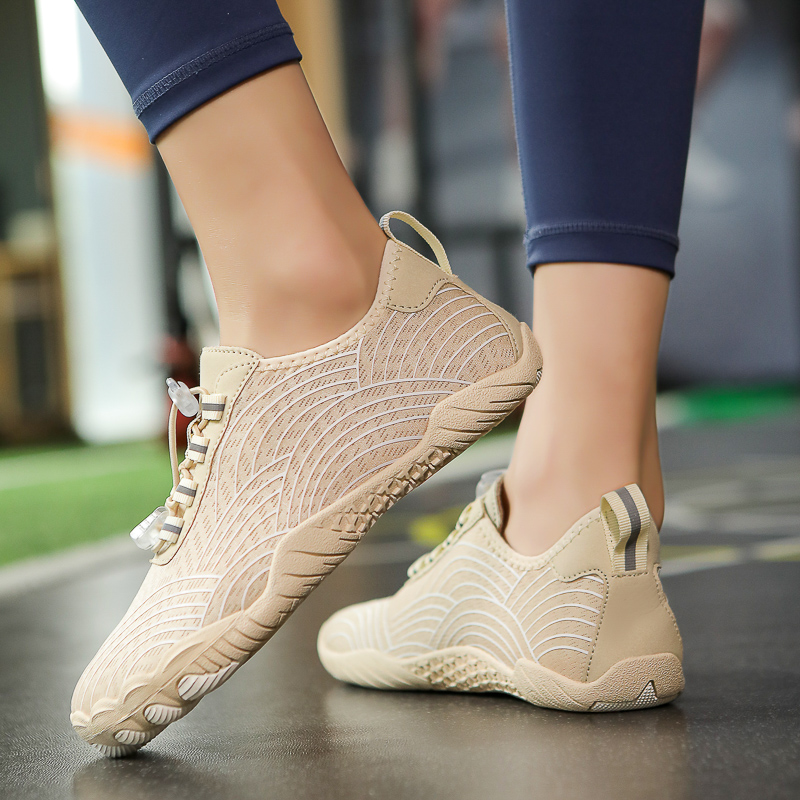
Choosing reliable outdoor gear goes beyond simple aesthetics. You must evaluate the technical construction of the shoe. Industry standards dictate four primary criteria for evaluating aquatic footwear performance.
Outdoor enthusiasts often mistakenly buy shoes featuring deep, aggressive lugs for coastal trips. They assume chunky soles provide superior grip everywhere. In reality, deep lugs fail miserably on wet, smooth rocks. They offer too little surface contact, acting like ice skates on slick surfaces.
Instead, you need softer rubber compounds. You also need a specific design feature called "razor sipes." These are microscopic zig-zag cuts sliced into the rubber outsoles. When you step down, these sipes expand under your weight. They squeegee water away and maximize surface area contact with the ground.
Design Feature | Surface Contact | Best Environment | Performance on Wet Rocks |
|---|---|---|---|
Deep Lugs | Low (points of contact only) | Mud, loose dirt, snowy trails | Poor (high slip risk) |
Razor Sipes | High (expands under pressure) | Wet boat decks, smooth coral | Excellent (squeegees water) |
Nobody enjoys walking in heavy, waterlogged shoes. Quick-drying upper materials are mandatory for coastal excursions. Look for engineered synthetics and hydrophobic mesh fabrics. These specific textiles repel moisture instead of absorbing it like traditional cotton or suede.
Continuous air circulation prevents harmful bacterial buildup. Bacteria thrive in damp, dark environments, causing severe odors. Water-purging sole designs actively pump water out through side ports as you step. This mechanical action keeps your feet remarkably dry and eliminates foul smells.
You must decide between open-toe and closed-toe designs based on your destination. Open-toe straps offer superior sand-shedding benefits. Sand simply falls away naturally as you walk, preventing friction buildups.
However, closed-toe rubber bumpers provide crucial impact protection. If you explore rocky tidal pools or engage in paddle sports, a closed toe is vital. It prevents painful stubbed toes and bruised toenails when navigating unpredictable underwater terrain.
A strong ocean current will easily rip loose shoes right off your feet. You must evaluate retention reliability before buying. Different closure systems serve completely different functions.
Bungee lace: Offers a custom fit and extremely high retention. It serves as the top choice for active water sports like kayaking or rafting.
Velcro/Strap: Provides excellent multisport stability. You can easily adjust these straps on the fly when your feet swell in the heat.
Slip-on: Delivers ultimate casual convenience for quick trips. However, it carries a high risk of loss in strong surf or deep mud.
We categorize beach footwear based on primary activities and terrain types. Match your shoe choice directly to your planned environment to ensure maximum comfort and safety.
Locals in coastal towns often swear by heavy-duty strapped sandals. These feature rugged footbeds and secure webbing.
Best for: Multisport activities, heavy sand walks, and flat water navigation.
Pros/Cons: They offer excellent ankle support for longer walks. Sand naturally falls away from the footbed, preventing blisters. However, they lack front toe protection. You must watch your step carefully around jagged rocks and hidden debris.
These mimic the look of standard athletic shoes but utilize advanced aquatic materials. Selecting the right All-Terrain Beach Footwear in this category transforms an active vacation.
Best for: Rocky shores, beach running, and transitioning straight to town without changing shoes.
Pros/Cons: They deliver maximum protection against cuts and scrapes. Barefoot versions feature thin soles, enhancing your underwater proprioception and balance. Unfortunately, closed mesh designs tend to trap fine sand more than open sandals.
Cold environments demand serious thermal insulation. Surfers, divers, and kayakers rely heavily on these specialized tools to prevent hypothermia.
Best for: Cold water exposure, kayaking, and winter surfing.
Pros/Cons: Neoprene provides superior thermal retention. It acts exactly like a wetsuit for your feet. The major downside is extremely poor durability on hard surfaces. The soft soles degrade quickly during extended land walking.
Sometimes you just want pure convenience. Foam clogs reign supreme in relaxed resort settings where intense activity is minimal.
Best for: Resort pools, quick room-to-beach transitions, and easy washing.
Pros/Cons: They are highly buoyant and incredibly easy to clean with a quick hose rinse. Conversely, they offer extremely poor lateral stability. Do not wear them on steep, uneven coastal trails or slick boat decks.
Common Mistakes to Avoid:
Wearing heavy leather hiking boots near saltwater. The salt will destroy the leather fibers and dry out the industrial adhesives holding the sole together.
Assuming "waterproof" means "water-draining." Waterproof shoes keep water out, but if a wave splashes over the ankle, water stays trapped inside. You want water-draining shoes for the ocean.
Overpacking remains a universal travel mistake. Lugging five pairs of shoes adds unnecessary weight and consumes valuable luggage space. We outline a minimalist, scenario-based footwear matrix. This specific strategy reduces luggage bulk while brilliantly covering all possible vacation use cases.
Here is the proven numbered packing list you should follow:
Shoe 1: The Active Amphibian. Pack one pair of secure, versatile shoes. Think water-focused sneakers or rugged strapped sandals. You will use these strictly for rocky shores, coastal hikes, and dynamic water sports. They act as your reliable utility pair.
Shoe 2: The Casual Transit. Pack one pair of comfortable, highly breathable slip-ons. You will need these for morning breakfast runs, boardwalk strolls, and grabbing coffee. They prioritize ease of entry over secure retention.
Shoe 3: The Evening Standard. Pack one pair of presentable footwear. Consider stylish flats, lightweight loafers, or elevated leather sandals. These serve you perfectly during resort dinners and dry-land nightlife. Keep them away from the saltwater entirely.
Even the most expensive shoes fail if you ignore proper fit and basic maintenance routines. Understanding these implementation risks saves you from ruined vacations and wasted money.
We must set realistic expectations regarding material types. High-quality leather sandals offer incredible long-term durability and custom arch support. However, this durability requires a painful initial molding period. The stiff leather must soften and conform to your unique foot shape over several weeks. Do not pack brand-new leather sandals for a week-long trip. Conversely, quick-dry synthetics offer immediate, blister-free comfort straight out of the box. Just be aware they generally have shorter lifespans than premium leather goods.
Water changes how shoes fit and function. Your feet shrink slightly in cold ocean water, making loose shoes feel even looser. Always test your shoes wet if possible before a major trip.
Pay special attention to sizing adjustments for cold climates. If you plan to wear neoprene insulating socks for kayaking or cold-water surfing, you must compensate for the extra bulk. We advise sizing up by half or a full size to comfortably accommodate the 3mm to 5mm thickness of the neoprene sock without cutting off your circulation.
Saltwater acts as a highly corrosive agent. It destroys glue, degrades Velcro straps, and stiffens rubber elasticity over time. Post-beach care is entirely non-negotiable if you want your gear to last.
You must perform a freshwater rinse after every single use. Flush out all trapped sand from the drainage ports. Scrub the zippers to prevent salt crystal buildup, which causes jams. Always dry them in a shaded, well-ventilated area. Direct, baking sunlight will warp EVA foam footbeds and crack synthetic uppers.
Selecting the ideal coastal shoe depends entirely on your planned environment and daily activities. A jagged, rocky cove demands significantly different protective gear than a manicured resort pool deck. Stop compromising your foot health with improper footwear.
Audit your itinerary: Map out your daily activities before packing. Separate your days into active, rugged excursions and relaxed poolside lounging.
Upgrade your foundation: Stop replacing cheap, broken flip-flops every summer. Invest once in a durable, anatomically supportive pair.
Prioritize terrain: Choose closed-toe rubber bumpers for jagged shores and open-strap designs for deep, soft sand walks.
Implement daily care: Commit to a simple five-minute freshwater rinse each evening to double the lifespan of your aquatic gear.
A: No shoe remains 100% sand-proof in heavy surf. The goal is easy removal, not perfect prevention. Choose shoes featuring large drainage holes and hydrophobic mesh. These materials allow you to swish your foot in the water, instantly flushing the sand out without taking the shoe off.
A: We strongly advise against it. Saltwater rapidly degrades the standard EVA foam found in typical running shoes. Furthermore, traditional athletic mesh aggressively traps fine coastal sand. You will find it nearly impossible to fully wash the abrasive sand out of the interior lining.
A: Barefoot shoes actively improve underwater balance and proprioception. Their thin, flexible soles let your feet adapt to uneven surfaces naturally. However, they require extreme caution. Thin soles offer minimal puncture resistance against sharp coral, sea urchins, or broken glass hidden beneath the sand.


