 English

Views: 0 Author: Site Editor Publish Time: 2026-06-08 Origin: Site


Mid-day beach sand can easily exceed 120°F. It acts like a massive heat sink. This renders traditional barefoot walking nearly impossible. Human skin begins to sustain thermal damage at just 111°F. Redness and painful blistering can occur within minutes of exposure. Medical professionals often call this condition "Beach Feet." Standard thin-soled flip-flops fail to insulate against this deep heat. They also offer zero top-of-foot protection. This solution gap drives an urgent need for purpose-built footwear. You need Breathable Beach Sneakers to balance thermal protection, rapid drainage, and sand management. In this guide, we explore the physiological risks of hot sand. We evaluate why standard footwear fails. You will learn the exact biomechanical features required to keep your feet safe, cool, and comfortable during your next coastal trip.
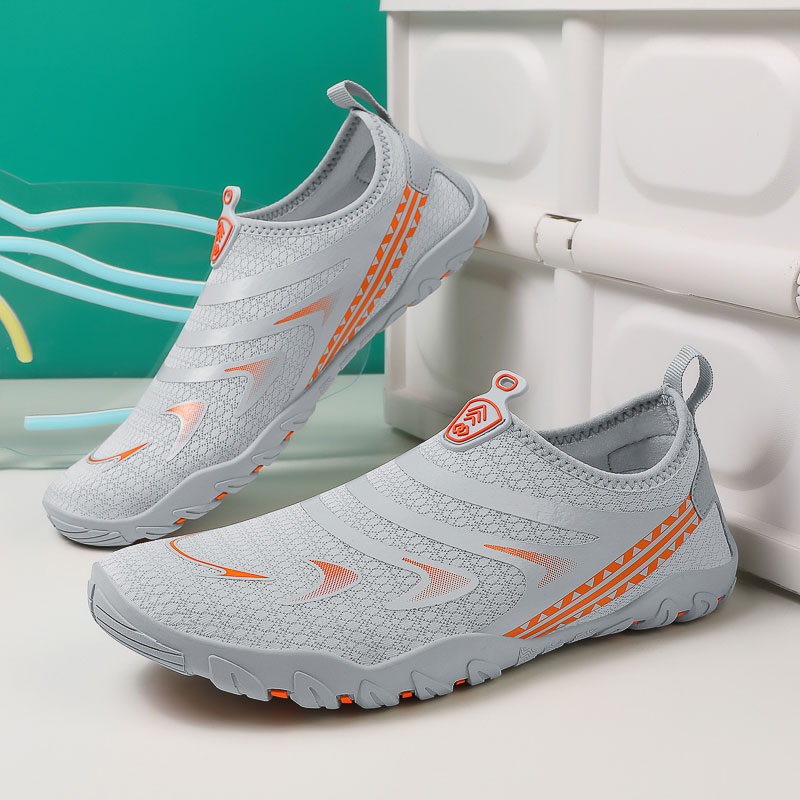
Insulation Over Thickness: Effective sand protection requires a specialized rubber outsole, not just a thick shoe, to block 120°F+ surface heat.
The "Float" Principle: Wider outsoles function like off-road tires, preventing feet from sinking deep into the hotter, lower layers of sand while reducing energy expenditure.
Mesh Over Membranes: Waterproof materials (like Gore-Tex) trap heat and boil the foot; breathable beach sneakers using quick-dry mesh offer the best compromise for heat dissipation and water drainage.
Swelling Anticipation: High humidity and heat cause mild foot swelling, meaning fixed-strap sandals often cause blisters, whereas flexible knit uppers adapt to foot expansion.
Sand absorbs and retains solar radiation much differently than ambient air. The air temperature might read a pleasant 85°F. However, the ground beneath your feet tells a different story. Darker sands absorb massive amounts of solar energy. They transfer this heat rapidly upon contact. You might encounter an exception on high-quartz beaches. Quartz crystals reflect heat rather than absorbing it. Places like Siesta Key stay remarkably cool. Unfortunately, such geological formations remain geographically rare. You will mostly encounter standard silica sand. This material easily reaches scorching temperatures by noon.
Ignoring this environmental reality leads to severe consequences. Podiatrists treat countless coastal vacationers for sand burns every summer. They classify these thermal injuries into three distinct stages.
Stage 1: You experience immediate severe discomfort. The skin develops localized redness known as erythema. The pain forces you to sprint toward the water or a shaded spot.
Stage 2: Fluid-filled blisters begin to form. The skin becomes highly inflamed. Extreme sensitivity sets in. Walking back to your car becomes an agonizing ordeal.
Stage 3: You suffer deep tissue burns. These severe injuries require immediate medical intervention. Recovery can take weeks. It ruins your entire vacation.
We must also acknowledge a major footwear blindspot. People primarily worry about the soles of their feet. They completely forget the top of the foot. Sunburns on the instep cause massive post-beach discomfort. Standard sandals leave this delicate skin entirely exposed to UV rays. Purpose-built footwear covers the instep. This prevents painful UV damage while you relax by the shore.
Many beachgoers rely on familiar summer shoes. They assume these everyday options provide adequate protection. Real-world experience proves otherwise. Let us examine why traditional choices often leave you vulnerable to heat and fatigue.
Flip-flops dominate beach culture. Yet, they pose a significant liability. Manufacturers build them using thin EVA foam. This foam compresses heavily under your body weight. Compression brings the sole of your foot dangerously close to the hot sand. Furthermore, they lack heel security. Your toes must grip the front post to keep the shoe attached. This alters your natural gait. You expend far more energy traversing deep sand. Fatigue sets in quickly. The friction often causes painful blisters between your toes.
Water socks serve a specific purpose. They excel at swimming protection. They prevent sharp shell lacerations underwater. However, they act as a minimalist compromise on land. Brands construct them using ultra-thin neoprene soles. This thin layer lacks an adequate thermal barrier. You cannot safely walk across 100 yards of scorching dry sand wearing them. The ground heat penetrates the thin neoprene almost instantly. You feel every burning grain.
A common misconception surrounds fully sealed shoes. Many assume waterproof hiking boots offer the ultimate defense. They do block 100% of fine sand. Unfortunately, they also function as portable saunas. Waterproof membranes fail to vent trapped body heat. Your feet endure severe localized sweating. Walking through humid coastal environments exacerbates this issue. The trapped moisture softens your skin. Soft skin rubbing against rigid hiking boot linings creates massive friction blisters.
To summarize these failures, review the performance chart below.
Footwear Type | Thermal Insulation | Sand Intrusion | Breathability | Top-of-Foot Protection |
|---|---|---|---|---|
Standard Flip-Flops | Poor | High | Excellent | None |
Water Socks | Poor | Low | Moderate | High |
Waterproof Boots | Excellent | None | Poor | High |
High | Moderate (Trade-off) | Excellent | High |
You need a systematic approach to select proper coastal footwear. A reliable shoe must manage heat from below and heat from above. Let us break down the exact features you must evaluate.
You must prioritize outsole material. Look specifically for vulcanized rubber. High-density TPR (Thermoplastic Rubber) also works exceptionally well. These compounds reflect ambient heat rather than absorbing it. Avoid soft, porous foams for the main outsole. Foam transfers heat too rapidly when compressed. A rigid TPR sole blocks 120°F+ surface temperatures. It keeps your foot comfortably isolated from the burning terrain.
Next, evaluate the upper construction. Open-weave mesh provides massive advantages. Perforated neoprene serves as another excellent option. The primary goal remains constant. The shoe must allow water to flush out instantly. It must also maintain high airflow. Continuous airflow evaporates trapped sweat. Evaporation cools the foot naturally. Do not compromise on breathability. A highly ventilated upper prevents the "heat trap" effect common in waterproof hiking shoes.
We must acknowledge a realistic trade-off. Breathable mesh inherently contains holes. These holes will allow micro-particles of sand to enter. You cannot achieve high ventilation and 100% sand blockage simultaneously. The key lies in managing the intrusion. Look for a snug, elasticized collar. A secure sock-like fit around the ankle proves vital. It prevents larger, burning sand volumes from scooping in over the top. You can easily rinse out fine silt later. You cannot easily ignore a scoop of 120°F sand trapped under your heel.
Sand walking demands specific biomechanics. Narrow street shoes dig into loose terrain. They sink deeply. You then drag extra weight forward. Wide, flat soles solve this problem. A broad outsole distributes your body weight over a larger surface area. This creates a mechanical advantage called "float." The shoe functions much like an off-road vehicle tire. It prevents your foot from sinking into the hotter, lower layers of sand. The float principle cuts your energy expenditure significantly. You walk further while feeling less fatigue.
Your feet change shape during a long day outdoors. Coastal environments stress your lower extremities in unique ways. Proper Breathable Beach Sneakers accommodate these biological realities. They support your anatomy while adapting to environmental conditions.
Coastal heat and high humidity trigger a natural biological response. Your body attempts to cool itself by expanding blood vessels. This causes fluid to pool in your extremities. Medical professionals call this peripheral edema. Simply put, your feet swell. A perfectly fitting shoe at 9:00 AM might feel painfully tight by 3:00 PM. Fixed-strap sandals cannot adapt. They dig into your swollen skin and cause blisters. We recommend seeking footwear equipped with adjustable bungee laces. Four-way stretch knits also work brilliantly. These materials expand as your foot swells. They prevent the shoe from becoming completely unwearable during your walk back.
Many vacationers suffer from underlying foot ailments. Walking on shifting sand exacerbates these issues rapidly.
Plantar Fasciitis: Loose sand offers zero structural support. It stretches the plantar fascia excessively. You must require models featuring distinct heel cupping. Look for a molded EVA midsole providing robust arch support. This prevents micro-tears in your arch ligament.
Bunions: Swollen toe joints hate friction. Combine friction with abrasive saltwater, and the pain multiplies. Highlight the need for a wide toe box. You also need a seamless knit interior. Eliminating internal stitching stops chafing against sensitive bunions completely.
Travel viability matters just as much as performance. Bulky shoes consume precious luggage space. Set a strict benchmark for your coastal footwear. A quality pair should weigh under 0.5 lbs total. They should also feature a collapsible upper. Flexible knit materials allow the shoe to compress completely flat. You can slide them into the front pocket of a suitcase effortlessly. Lightweight designs also prevent leg fatigue during long shoreline walks.
One single shoe rarely solves every environmental challenge perfectly. Smart travelers utilize a staging approach. They build a multi-shoe matrix to handle different terrain zones. This strategy ensures maximum comfort from your car to the ocean.
We recommend a highly practical logistics plan. Divide your journey into three distinct zones.
Zone 1 (Asphalt/Boardwalk): Start your day in the hot parking lot. The pavement generates massive radiant heat. Wear high-support, everyday sneakers here. They provide maximum shock absorption on hard concrete.
Zone 2 (Deep Dry Sand): You reach the dune line. The terrain becomes shifting, high-heat, and high-friction. Transition immediately to your Breathable Beach Sneakers. They provide the necessary float and thermal barrier to navigate this brutal stretch.
Zone 3 (Shoreline/In-Water): You finally reach the wet, packed sand. You can keep your sneakers on if you face rocky entries. Their rubber soles prevent shell cuts. Alternatively, if the water features a soft, sandy bottom, switch to minimalist water socks for pure swimming mobility.
Your gear requires maintenance to survive harsh marine environments. Saltwater acts as a powerful corrosive agent. Fine sand degrades fabric fibers rapidly. Follow basic best practices to extend footwear longevity. Rinse the shoes immediately using fresh, clean water. Flush the mesh thoroughly to remove abrasive silt. Never leave them baking in direct, intense sunlight. UV rays degrade synthetic rubber quickly. Instead, dry them in shaded, well-ventilated areas. Stuff them lightly with newspaper to maintain their shape while absorbing internal moisture.
Protecting your feet from hot sand requires an intelligent approach. You must balance thermal insulation from the bottom with rapid heat dissipation from the top. Traditional flip-flops leave you exposed to burns, fatigue, and top-of-foot UV damage. Heavy waterproof boots trap sweat and cause debilitating blisters.
The solution lies in modern, purpose-built footwear. Shoes featuring wide TPR outsoles, stretchy knit uppers, and elastic collars change the coastal experience completely. They provide critical "float" across loose dunes. They accommodate afternoon foot swelling naturally. Audit your current beach bag today. Throw away those ineffective foam sandals. Upgrade your loadout to a protective, breathable design before your next coastal trip. Your feet will thank you.
A: They offer a decent thermal barrier due to their thick foam outsoles. However, they perform poorly overall. The giant ventilation holes scoop in massive amounts of burning sand as you walk. This traps the hot sand directly against your bare soles. They also lack a secure ankle fit, leading to clumsy footing in deep dunes.
A: No. Transparently, while they block coarse sand and sharp shells, fine silt will enter through the mesh. This represents a necessary trade-off. The mesh allows vital airflow to evaporate sweat. Because these shoes dry rapidly and rinse out easily, dealing with minor silt proves much better than suffering heat blisters.
A: Immediately flush the affected area with cool, fresh water. Do not use ice, as extreme cold damages already compromised tissue. Apply a soothing aloe vera gel to the redness. Elevate your feet to reduce peripheral swelling. Strictly avoid further sun or heat exposure until the skin fully heals.


