 English
Views: 0 Author: Site Editor Publish Time: 2026-05-18 Origin: Site


Navigating rivers, tidal zones, and slot canyons exposes your feet to compromised traction and relentless moisture. Ignoring these physical realities quickly transforms a beautiful hike into a painful ordeal of blisters or severe injuries. Whether you are crossing a shallow creek or trekking miles up a narrow gorge, proper footwear dictates your ultimate success.
Many hikers struggle with the inherent conflict between keeping feet dry and tackling unavoidable water crossings. Relying on standard gear often leads to waterlogged shoes dragging you down step after step. Understanding the fundamental difference between repelling water and actively managing it changes everything about your outdoor experience.
We provide an evidence-based framework for evaluating water-specific footwear. You will learn to shift your focus from generic waterproof claims to functional drainage, high-friction traction, and physical foot protection. We aim to equip you with practical knowledge to confidently select the exact gear needed for your next aquatic adventure.
Waterproof vs. Water-Ready: Waterproof boots are a liability in deep water because they trap moisture; proper water hiking requires rapid-draining footwear.
Outsole Chemistry is Non-Negotiable: Wet, mossy rocks and coastal reefs require specialized, high-friction rubber compounds, not standard trail lug patterns.
Terrain Dictates Footwear Category: The choice between open-toe sandals, closed-toe amphibious runners, and dedicated coastal water shoes depends on debris risks (sand/gravel) and impact hazards.
Fit Changes When Wet: Friction dynamics change entirely underwater; securing the heel and mitigating chafe points are critical for prolonged use.
Let us explore why traditional hiking gear fails in wet environments. Many hikers trust standard waterproof boots for river crossings. They rely on membranes like Gore-Tex to keep moisture out completely. However, this creates a notorious issue known as the "bathtub effect." Once you step into a deep tidal pool or river, water inevitably overtops the boot collar. The waterproof membrane works too well in reverse. It prevents trapped water from escaping. Your expensive boots literally turn into heavy bathtubs.
This trapped water creates immense discomfort. It holds moisture against your skin for hours. Heavy boots exhaust your leg muscles quickly. You risk severe skin breakdown and debilitating blisters. We must abandon the idea of staying completely dry during a river hike.
Instead, we must embrace a major paradigm shift. Frame the solution not as staying dry, but as managing the wet. Modern water hiking footwear relies on hydrophobic materials. These specialized synthetics actively repel water absorption. Designers also integrate engineered drainage ports directly into the midsole and upper mesh. They force water out mechanically under your own body weight. Every step acts like a pump. You eject water continuously as you walk.
How do you evaluate these shoes? We look at three primary dimensions. Let us start by comparing outsole traction. Mud traction relies on deep, widely spaced lugs. They bite deeply into soft earth. They shed mud easily. However, wet rock or reef traction requires an entirely different approach. Deep lugs slide dangerously on smooth, wet surfaces.
You need softer, sticky rubber compounds. Manufacturers use specialized butyl rubber blends for wet traction. They also add siping to the outsoles. Siping refers to tiny, razor-thin slits cut into the rubber lugs. These slits open up when you bend your foot. They act exactly like windshield wipers. They displace microscopic water layers to maintain a solid, frictional grip on slick, mossy rocks.
Next, fluid and debris management is crucial. Every shoe handles sand, silt, and pebbles differently. We see a strict tension between highly breathable mesh and tightly woven uppers. Wide, open mesh drains fluid incredibly fast. It keeps the shoe feeling lightweight. However, it lets abrasive sand and fine silt inside easily.
Tightly woven uppers block debris much better. They keep irritating sand away from your skin. Yet, they drain water a bit slower than open mesh. You must balance these factors based on your specific location. Coastal hikes demand better sand exclusion. River hikes with clear water prioritize rapid drainage.
Finally, physical foot protection cannot be ignored. Turbid or muddy water completely hides submerged hazards. You cannot see sharp rocks, broken branches, or jagged coral beneath the surface. Reinforced toe caps become absolutely mandatory. We often call them toe bumpers.
These rubber bumpers save your toes from violent, blunt impacts. Underfoot rock plates are equally important. They sit inside the midsole to prevent severe bruising from sharp riverbeds. They ensure long-term comfort on unpredictable, rocky terrain.
Terrain directly dictates your ideal footwear class. We categorized the top options into a helpful comparison chart. Review these classes to find your perfect match.
Footwear Category | Best Environments | Primary Advantages | Notable Limitations |
|---|---|---|---|
Open-Toe Hiking Sandals | Mild river crossings, well-groomed trails, low-debris paths. | Maximum ventilation, extremely fast drying, lightweight. | Zero toe protection, prone to trapping rocks under the foot. |
Coastal Water Shoes | Tidal pools, reef walking, muddy coastal trails, paddle-boarding. | Snug fit, superior sand exclusion, quick-dry synthetics. | Less underfoot support for carrying heavy backpacking loads. |
Amphibious Trail Runners | High-mileage hikes, frequent deep rivers, canyoneering. | Maximum ankle support, sticky climbing rubber, rock plates. | Heavier than sandals, slower drying time in humid climates. |
Let us analyze open-toe hiking sandals first. They are highly popular among casual hikers. They work beautifully for mild river crossings. They shine in low-debris environments. However, they carry strict limitations. They offer zero toe protection against submerged rocks. Small pebbles constantly become trapped under your bare foot.
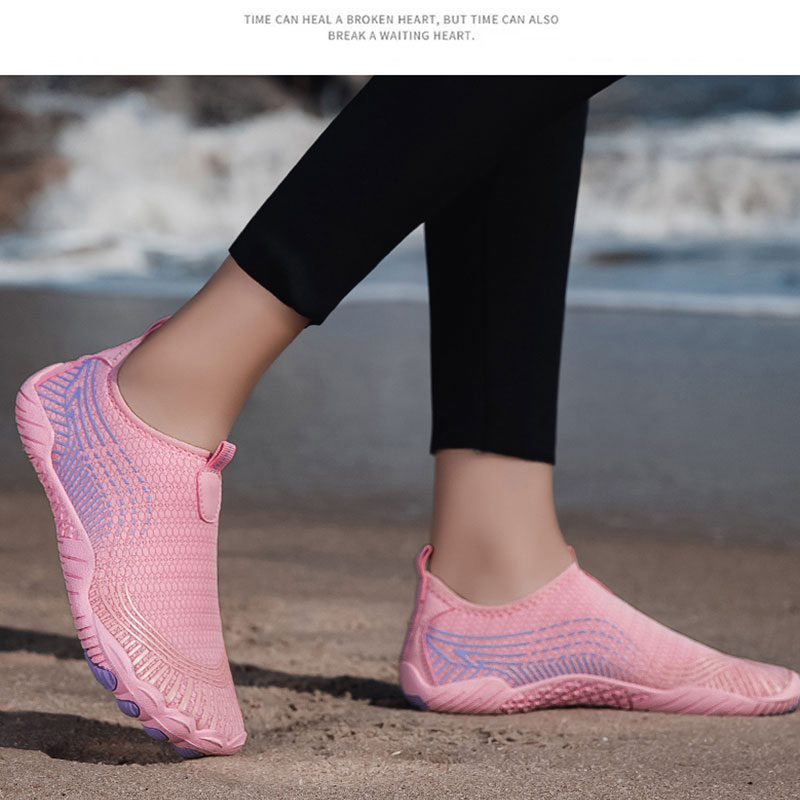
Next, consider dedicated Coastal Water Shoes. These perform exceptionally well in saltwater tidal pools. They dominate reef walking and muddy coastal trails. They transition seamlessly from a paddle-board session to a rugged hiking path. Key features include a snug, neoprene-like collar. They utilize advanced quick-dry synthetics. They deliver superior sand exclusion compared to open sandals. If you face abrasive beach environments, investing in high-quality Coastal Water Shoes is the smartest choice you can make.
Finally, amphibious trail runners handle extreme tasks. We recommend them for high-mileage hikes. You need them for deep river crossings while carrying heavy pack loads. They provide maximum arch support. They feature high-drainage mesh panels and sticky climbing-grade rubber outsoles.
Certain footwear categories pose severe safety risks in wet environments. We must identify these critical failures to mitigate danger. Let us look at common red flags you should avoid at all costs.
Flip-flops and slide sandals: They completely lack a reliable heel lock. This structural flaw leads directly to severe twisting injuries. Furthermore, strong river currents easily rip them off your feet. You will quickly lose your footwear downstream.
Foam clogs (e.g., Crocs): These popular casual shoes offer zero wet traction on algae-covered rocks. They slide uncontrollably. Additionally, they are highly buoyant. This extreme buoyancy forces your feet upward, making precise foot placement incredibly difficult in moving water.
Standard cotton sneakers: Cotton fabrics act exactly like a giant sponge. They retain massive amounts of water indefinitely. The shoes become exceptionally heavy. They also create high internal friction, skyrocketing your blister risk within the first mile.
Avoid these options entirely. They compromise your physical safety. They ruin the outdoor experience. Always choose purpose-built gear for aquatic environments.
Buying the right shoe only solves half the problem. We must address daily implementation risks. Let us discuss the wet-skin reality first. Water fundamentally alters how human skin behaves. Prolonged soaking softens your epidermis significantly. We call this maceration.
Maceration drastically changes the internal friction profile of your shoe. What felt perfectly comfortable dry might cause severe chafing underwater. Wet skin tears much easier than dry skin. You must manage this friction carefully.
This leads directly to the sock dilemma. Should you go completely barefoot? Many people prefer barefoot wear for short trips. However, going barefoot increases your overall chafe risk. Wearing thin synthetic liners adds a vital layer of defense. They dry quickly. Alternatively, neoprene socks provide excellent thermal regulation in freezing rivers. They act as an ultimate chafe barrier.
Fastening systems also matter significantly. Bungee or speed-lace systems excel in water. They will never untie underwater. They allow for quick, one-handed tension adjustments on the fly. Traditional cloth laces present multiple problems. They stretch and loosen when wet. They easily snag on submerged roots or floating debris. We strongly recommend speed-lace systems for any serious water hiking endeavor.
You need a reliable decision framework to choose wisely. Using a structured approach removes the guesswork. Use this mental checklist before purchasing your next pair.
Assess the Water Depth: Are you dealing with shallow ankle-deep puddles or waist-deep river fords? Deeper water demands shoes with aggressive lateral drainage ports.
Assess the Substrate: Will you walk on soft mud, slick bedrock, or abrasive coastal coral? Coral requires thick underfoot plates. Bedrock demands sticky, siped rubber outsoles.
Assess the Mileage: A one-mile waterfall hike requires far less support. A fifteen-mile river trek demands maximum midsole cushioning and robust heel lock mechanisms.
What are your next steps? You must test your shortlisted shoes properly at home. Try them on while wearing your preferred water socks. Ensure your heel remains firmly locked in place when simulating a steep climb. Test the toe box for adequate splay room. Your toes need space to swell slightly during a long day.
Successful water hiking is entirely about managing moisture. You must maintain solid traction instead of fighting the inevitable wetness. Embracing this mindset transforms your outdoor experience from frustrating to exhilarating. Proper equipment empowers you to explore safely.
We emphasize matching your specific footwear category to your primary terrain. Investing in proper equipment for beach-to-trail environments remains the ultimate key to a safe journey. Prioritize sticky rubber and engineered drainage over basic aesthetics.
We encourage you to carefully review your exact hike itinerary before making a final purchase. Assess the terrain, substrate, and mileage. Match these variables to the functional features we discussed today. Prepare your gear correctly, and enjoy a confident, blister-free adventure.
A: Many water shoes are designed for barefoot wear. However, wearing specialized thin synthetic or neoprene socks is highly recommended for long hikes. They drastically reduce blister risk by minimizing skin-to-shoe friction. Neoprene also adds crucial warmth in cold rivers. Always test your shoes with socks before hitting the trail to ensure a proper fit.
A: The best defense is proactive prevention. Choose shoes with a snug, neoprene-like collar or a built-in gaiter to exclude sand. When grit does enter, periodically stopping to rinse your footwear in the river current is standard practice. Loosen your speed-laces, swish the shoe underwater, and let the engineered drainage ports flush the debris away.
A: We strongly advise against using standard road running shoes. While some trail runners drain well, regular running shoes absorb far too much water. They quickly become heavy and uncomfortable. More importantly, they lack the specific sticky rubber compounds and siping needed for safe traction on slick, mossy rocks. Invest in purpose-built water footwear instead.


