 English

Views: 0 Author: Site Editor Publish Time: 2026-06-24 Origin: Site


Packing space limits vacation wardrobes heavily. You cannot bring shoes for every single occasion. Standard sneakers get destroyed by harsh saltwater, while flimsy flip-flops cause painful blisters during heavy, 10,000-step days. We often face a frustrating choice between comfort and water readiness.
We need versatile footwear capable of handling diverse coastal terrains. True All-Day Beach Walking Shoes function as engineering marvels. They transition seamlessly from jagged, rocky shorelines directly to paved city streets without forcing a shoe change. You gain mobility and save suitcase space.
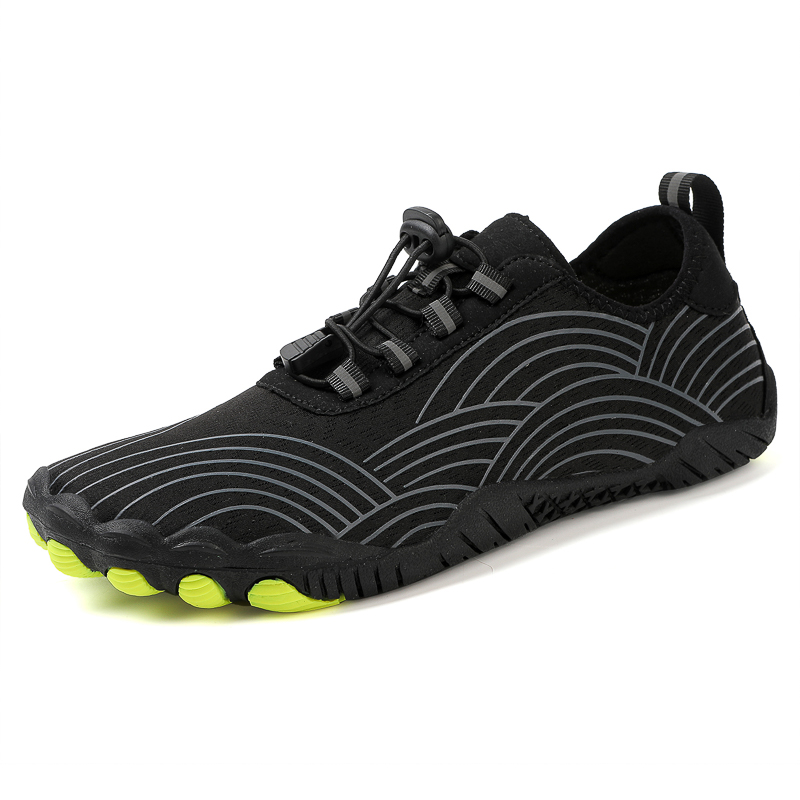
You must evaluate vacation footwear critically. We provide a rigorous framework focusing on traction, drainage, and anatomical support. This guide helps you bypass cheap pool shoes destined to break after just two uses. You will learn exactly how to protect your feet across unpredictable environments.
Function Over Form: True all-day beach footwear must prioritize specialized outsoles and drainage over aesthetic trends to prevent injuries and odors.
Material Matters: Look for quick-drying synthetics (neoprene, engineered mesh) rather than water-absorbing cotton or easily degraded foam.
Support is Non-Negotiable: Flat soles lead to fatigue; all-day wear requires built-in arch support and heel stabilization, especially for navigating uneven sand.
Protection Levels Vary: Your specific destination (soft sand vs. sharp coral/shells) dictates whether you need open-toe sandals or closed-toe water sneakers.
Ultra-thin, sock-like water shoes feel great inside a swimming pool. They fail completely on rough coastlines. Users constantly report bruised soles after stepping on hidden rocks. These cheap options lack crucial midsole support. They typically tear or wear out after just one or two uses on abrasive surfaces.
Biomechanically, basic flip-flops spell disaster for active travelers. Because they lack secure heel straps, you instinctively grip the footbed using your toes. This constant toe-gripping causes shin splints, ankle rolls, and rapid leg fatigue. Practically, ocean tidal zones easily suck loose flip-flops right off your feet.
You might think running shoes offer safe beach walking. They actually trap heavy moisture and abrasive sand inside the toe box. Wet sand rubs aggressively against your skin. Severe friction blisters form quickly. Trapped moisture also breeds bacteria rapidly, causing terrible odors overnight.
Standard footwear ruins carefully planned travel itineraries. You need purpose-built hybrid footwear. Investing in quality All-Day Beach Walking Shoes protects joint health significantly. It ensures personal safety across unpredictable terrains. It guarantees uninterrupted exploration from morning until night.
Standard EVA foam bottoms become dangerously slippery when wet. Specialized outsoles use lugged, siped rubber instead. Siping involves tiny slits cut into the rubber to channel water away. This advanced design grips wet wooden boardwalks, moss-covered rocks, and slippery boat decks securely.
Good beach footwear evacuates water instantly. Synthetic mesh uppers allow maximum air circulation. Neoprene linings repel moisture naturally without absorbing it. Physical drainage ports built into the midsole push water out underfoot. These vital mechanics prevent waterlogging. Heavy, wet shoes cause extreme fatigue and painful skin maceration.
Walking across dry sand consumes immense physical energy. Unstable surfaces force your leg muscles to work overtime. Proper shoes provide deep heel cupping and structured arch support. They prevent overpronation as your foot strikes uneven ground. You cannot walk miles comfortably without this vital stabilization.
Slip-on shoes often fail during active water use. Ocean currents pull them away easily. Secure fastening methods keep footwear firmly planted. Bungee lace systems offer custom tension adjustments. Adjustable Velcro straps lock down the heel and instep firmly.
Feature | Standard Sneakers | Cheap Water Socks | Hybrid Beach Shoes |
|---|---|---|---|
Traction | Good on dry pavement | Minimal, slippery on moss | High-grip siped rubber |
Drainage | Traps water heavily | Drains slowly | Instant via midsole ports |
Arch Support | Excellent | Zero | Firm, built-in structure |
Durability | Low against saltwater | Lasts 1-2 uses | High against salt and sand |
Selecting the right footwear requires analyzing your daily activities. Not every beach shoe fits every coastal environment. We divide high-quality options into three distinct functional categories.
These resemble athletic running shoes but feature specialized water-draining technology. They wrap the entire foot securely.
Best for: Multi-sport days, hidden beach hikes, rocky coastlines full of sharp coral, and seamless transitions to casual dining.
Pros: They offer maximum physical protection and robust arch support.
Cons: They take slightly longer to dry completely compared to open-air sandals.
These feature open designs held firmly in place by adjustable webbing. They prioritize maximum airflow.
Best for: Tidal pooling, long boardwalk strolling, and extremely hot climates requiring maximum breathability.
Pros: They provide excellent water evacuation and superb ankle security via sturdy heel straps.
Cons: They expose your vulnerable toes to potential stubs on hidden underwater rocks.
These prioritize thick, cloud-like cushioning above all else. They utilize wide platforms to distribute body weight evenly.
Best for: Soft sand walking, relaxing poolside, and post-activity foot relief.
Pros: These feature easy on/off convenience and highly supportive, shock-absorbing footbeds.
Cons: They lack the secure lockdown necessary for active swimming or hiking uneven trails.
Vacation walking aggravates underlying foot issues quickly. Readers managing Plantar Fasciitis, flat feet, or painful bunions must remain cautious. You should avoid minimalist "barefoot" style water shoes entirely. You must prioritize rigid midfoot shanks. Seek wide toe boxes to accommodate natural foot splay without pinching.
Poorly designed straps create terrible friction points. Wet sand compounds this problem heavily. It acts like coarse sandpaper against your soft, wet skin. You must look for seamless inner linings. Padded neoprene collars prevent abrasive edges from digging painfully into your ankles or instep.
Water behaves as a natural, slippery lubricant. Shoes fitting perfectly dry often slip excessively once submerged. Do not buy loose beach footwear. You must perform a proper wet-fit test at home. Submerge your feet in the shower. Check for excessive heel slippage before departing on your trip.
Saltwater degrades shoe materials aggressively. Microscopic salt crystals and fine sand grind away synthetic glues over time. You must establish a strict post-beach care routine. Flush your footwear daily using clean, fresh water. Always air-dry them outdoors, but keep them away from direct, baking sunlight to prevent warping.
Travelers constantly fight stubborn sand sticking to wet skin. You can use a proven hack to solve this annoyance. Follow these simple steps before putting your shoes back on:
Keep a small travel bottle of talc-free baby powder in your bag.
Step off the wet sand onto a dry towel or pavement.
Rub the powder generously over your damp feet and ankles.
Watch the powder absorb moisture instantly, allowing the sand to fall off completely.
Wet shoes packed carelessly breed foul mildew overnight. You should transport them using highly breathable mesh bags. Hook these carabiner bags onto the exterior of your luggage if possible. This intelligent packing method allows continuous airflow while you travel between various destinations.
Choosing the right footwear depends entirely on your specific shoreline. Soft sand calls for breathable strapped sandals, while rugged rocks demand enclosed protection. Your daily step count directly dictates the necessary level of arch support.
Shortlist your final options carefully. Demand genuine rubber traction, secure heel straps, and verifiable midsole structure. Never compromise on physical stability just to save a few dollars on basic foam slides.
Assess your upcoming travel itinerary today. Identify the main terrain you plan to explore. Select the specific footwear category capable of covering 80% of your planned vacation activities comfortably.
A: Only in hybrid water sneakers featuring adequate shock absorption and a secure bungee or lace lockdown. Traditional ultra-thin water socks provide zero impact protection and will cause severe lower leg injuries if used for running.
A: Look for designs featuring engineered micro-mesh uppers. This material effectively blocks larger sand entry. Alternatively, rely on styles offering completely removable insoles. Removable footbeds allow you to flush out trapped debris quickly under a faucet.
A: No. Waterproof shoes utilize membranes designed to keep water completely out. However, if water gets inside, they trap it permanently. True water shoes let water flow in and out rapidly while utilizing quick-drying materials to prevent soggy feet.


