 English

Views: 0 Author: Site Editor Publish Time: 2026-08-13 Origin: Site


Navigating shallow rivers requires precise foot placement on highly variable, low-friction surfaces like algae-covered basalt, submerged mud-stone, and loose gravel. A single misstep in fast-moving water can ruin an outing or cause severe injury. Selecting the wrong sole material or tread pattern compromises stability, increases injury risk, and can lead to regulatory fines in regions with strict environmental compliance laws regarding invasive species. Furthermore, investing in poorly constructed boots leads to rapid sole delamination and wasted money. You need gear that withstands constant wet-to-dry cycles while providing maximum friction on slick rocks. Evaluating the technical specifications of modern footwear—specifically the trade-offs between felt, advanced rubber compounds, studded configurations, and interchangeable systems—is critical for matching footwear to specific riverbed conditions and ensuring reliable traction.
Terrain Dictates Material: Felt offers unmatched micro-adhesion on slick, algae-covered rocks, while sticky rubber excels on muddy banks, hiking trails, and abrasive gravel.
Regulatory Compliance is Mandatory: Felt soles are legally banned in multiple states and countries to prevent the spread of invasive aquatic species; rubber is the universally compliant alternative.
Studs and Bars Act as Force Multipliers: Integrating metal cleats, studs, or aluminum bars into rubber soles bridges the traction gap between rubber and felt, but requires strategic placement to avoid slipping on dry, hard boulders.
Tread Geometry Matters: High traction river shoes rely on specific lug spacing and siping (micro-cuts) to displace water and clear mud, making the physical pattern just as important as the sole material.
Interchangeable Systems Offer Versatility: For traveling anglers, boots with swappable soles provide a single-purchase solution to varying local regulations and riverbed types.
Defining good traction in aquatic environments goes far beyond basic grip on dry land. Success requires a highly specific balance of friction on smooth underwater surfaces, mud-shedding capability on steep banks, and long-term durability against abrasive gravel. When you step into a river, you face a dynamic environment that constantly works against your stability. Your footwear must anchor you securely to the riverbed while allowing natural, unhindered movement through heavy currents.
Riverbed terrain variables change drastically within a single mile of water. You must analyze your local waters to determine which substrate dominates the riverbed, as each demands a different friction coefficient from your boots.
Smooth Basalt and Granite: These hard, water-polished stones offer zero mechanical grip. You cannot dig into them. Traction relies entirely on surface friction and the sole's ability to displace the microscopic layer of water sitting between the rubber and the rock.
Jagged Shale and Slate: These sharp, broken rocks demand high puncture resistance and rigid edge control. Soft soles will quickly slice open, and lack of support will lead to severe foot fatigue.
Ancient Mud-Stone and Clay: This terrain creates a slick, paste-like surface that instantly clogs standard boot treads. It requires wide lug spacing to physically push the mud out of the sole with every step.
Loose Cobble and Gravel: Walking on round, shifting rocks requires sole flexibility. The boot must wrap around uneven shapes rather than balancing rigidly on top of them, which causes rolled ankles.
Hydrodynamic factors further complicate wading mechanics. Shallow, fast-flowing water creates significant uplift on the foot. The current pushes against your leg, actively trying to break the friction between your boot and the rock. Soles must bite through the boundary layer of water and thick algae to reach solid stone. If the tread cannot displace the water trapped beneath it, you will hydroplane exactly like a car tire on a flooded highway, resulting in an immediate loss of balance.
The choice between heavy, rigid boots and lightweight options directly impacts your balance and tactile feedback. Dedicated, lightweight shallow river footwear allows for superior sole-to-rock contouring. Traditional, rigid wader boots offer excellent ankle support for carrying heavy loads, but they often feature stiff midsoles that bridge across small rocks, reducing your total contact area. Flexible soles conform to the riverbed, maximizing the surface area engaged with the rock and significantly improving your ability to feel unstable ground before committing your full body weight.
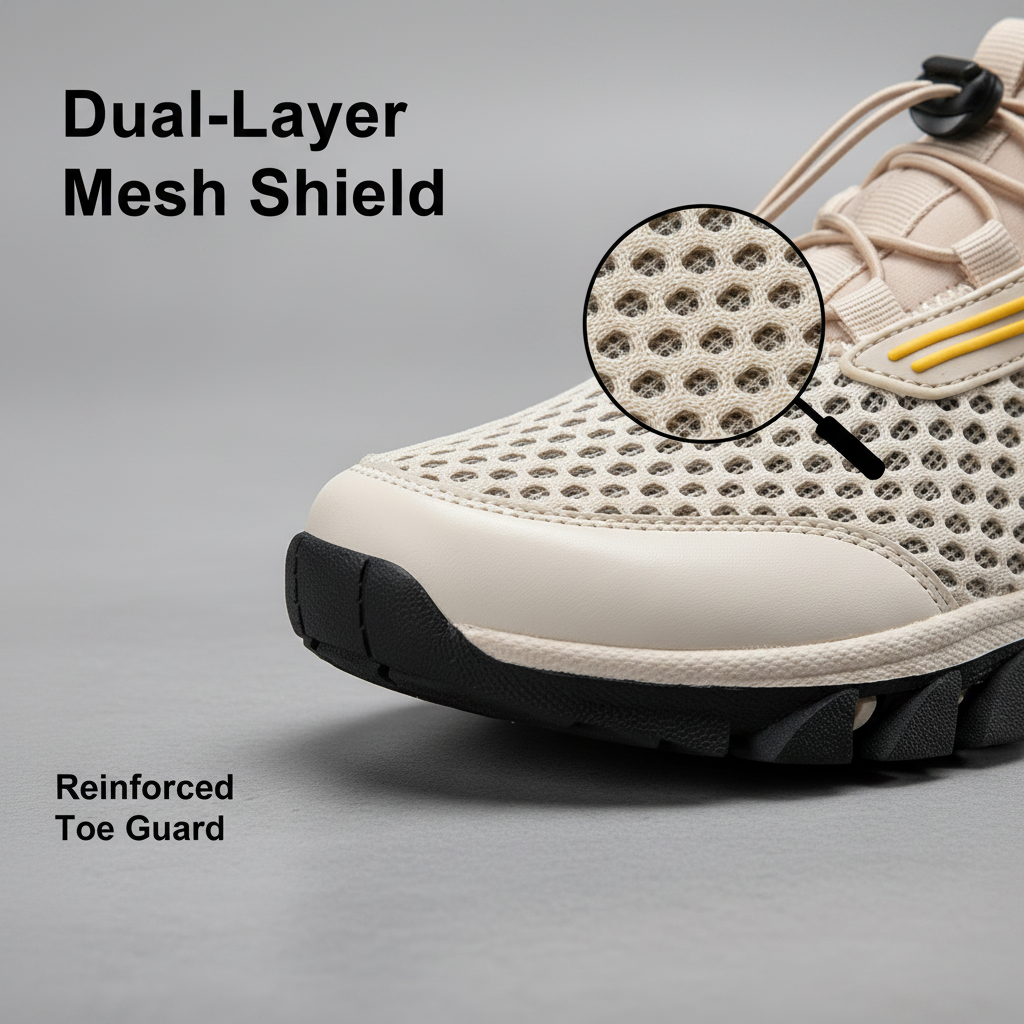
Manufacturers utilize three primary approaches to solve the riverbed traction problem. Each material interacts with underwater surfaces differently, offering distinct mechanical advantages and notable physical limitations in the field.
Felt remains the historical benchmark for slick-rock wading. The mechanism relies on highly compressed synthetic fibers, usually a dense polypropylene blend, that physically interlock with microscopic rock textures. When you step on an algae-covered boulder, the porous felt absorbs the slime layer into the pad, allowing the dry fibers to make direct contact with the stone beneath. This creates unmatched micro-adhesion in pure freestone rivers where algae growth is thick.
However, felt carries severe operational limitations. It performs terribly on mud, wet grass, and snow, often packing full of debris and turning into a frictionless ski. Felt also absorbs water heavily, adding significant dead weight to your feet and requiring days to dry completely in humid environments. Most critically, damp felt harbors microscopic organisms for extended periods. This high risk of transporting invasive species like Didymo (rock snot) and New Zealand mudsnails has led to widespread legal bans across numerous watersheds.
Modern aquatic footwear relies on proprietary soft-rubber compounds designed specifically for wet environments. Unlike hard hiking boot rubber, these specialized compounds feature a lower durometer rating, allowing the rubber blocks to physically deform around rock irregularities under your body weight. This mechanical keying provides excellent grip on both dry and wet rocks.
Rubber offers superior durability against sharp shale and abrasive gravel. It excels during out-of-water hiking, providing aggressive traction on muddy banks and steep approach trails. Because rubber absorbs zero water, it dries rapidly and significantly reduces the risk of transporting aquatic hitchhikers. You can easily scrub and visually inspect rubber soles between watersheds, making them the responsible choice for conservation-minded anglers looking for reliable Wading Shoes.
Bare rubber struggles against thick, slick algae. To bridge the performance gap with felt, anglers integrate metal hardware directly into the sole. Evaluating the hardness trade-off between different metals is essential for optimizing grip on specific rock types.
Tungsten Carbide: This extremely hard metal resists wear indefinitely. Tungsten studs bite aggressively into soft rocks, submerged wood, and ice. However, their extreme hardness means they cannot deform. On smooth, hard granite or dry boulders, tungsten can skate across the surface, temporarily reducing your stability.
Aluminum: Aluminum is significantly softer than river rock. When you step on a boulder, the aluminum physically deforms, gouges, and smears against the stone, creating massive friction. It grips exceptionally well but wears out much faster than tungsten, requiring frequent replacement throughout the season.
Aluminum Bars: Premium boots often utilize wide aluminum bars instead of pinpoint studs. These bars provide massive surface area for gripping algae-covered basalt, distributing your weight evenly while maximizing metal-to-rock contact without creating pressure points on the bottom of your foot.
DIY vs. Factory: Manufacturer-specific cleats integrate perfectly with designated sole receptacles, ensuring they stay anchored. Alternatively, many anglers use aftermarket ATV tire studs to save money. While cheaper, DIY studs risk puncturing the waterproof membrane of the bootie if installed at the wrong depth or angle.
Interchangeable systems utilize proprietary locking mechanisms that allow users to swap between felt, rubber, and studded soles on the fly. You simply unlock the sole plate, slide off the current tread, and snap a new one into place. This provides the ultimate solution for anglers who travel across state lines. You can use felt on local, legal waters, then switch to rubber when visiting restricted national parks, all without purchasing multiple pairs of boots.
Sole Material Performance Comparison
Material Type | Slick Rock Grip | Mud & Trail Traction | Invasive Species Risk | Durability |
|---|---|---|---|---|
Traditional Felt | Excellent | Poor | High | Moderate |
Sticky Rubber | Moderate | Excellent | Low | High |
Rubber with Studs | Very Good | Good | Low | Very High |
Rubber with Aluminum Bars | Excellent | Moderate | Low | Moderate |
The physical geometry of the sole dictates how well the material actually performs in the water. A premium rubber compound fails completely if the tread pattern cannot clear debris or displace water. You must evaluate the architecture of the sole just as rigorously as the material composition.
Wide-spaced, deep lugs are necessary for clearing mud, sand, and loose gravel. When you step into a muddy bank, the earth compresses into the voids of your tread. If the lugs sit too close together, the mud cannot escape. The sole packs out, transforming your aggressive tread into a smooth, slippery surface. Wide channels allow the shoe to shed debris naturally as the sole flexes during your stride. This self-cleaning mechanism ensures the rubber lugs remain exposed to grip the next rock.
Siping refers to microscopic slits cut directly into the rubber blocks. This technology mirrors winter car tires. When you step on a submerged rock, a thin boundary layer of water sits between the rubber and the stone. Siping provides an escape route for this water. As your weight compresses the rubber, the micro-slits open, pushing the water out from under the shoe. This maximizes direct rubber-to-rock contact, drastically improving friction on smooth surfaces.
Modern high traction river shoes utilize advanced sole architectures featuring multiple rubber durometers. Manufacturers map these zones based on foot biomechanics. The center of the sole typically features softer, stickier rubber designed to maximize grip on slick river cobble where your weight is centered. The perimeter utilizes a harder, more durable rubber compound. This stiff edge provides stability when side-hilling on steep muddy banks and prevents the sole from degrading rapidly during long hikes to the river.
A tread pattern is only as good as the boot's midsole flex. Highly rigid boots prevent the tread from wrapping around uneven river cobble. If you step on a round rock with a stiff boot, only a tiny fraction of the sole makes contact. A flexible midsole allows the shoe to bend, engaging a much larger surface area of the tread pattern. This increased contact area distributes your weight more evenly and provides critical tactile feedback, allowing your foot to sense unstable rocks before you commit your full weight.
Selecting aquatic footwear involves balancing competing physical properties. Understanding these inherent trade-offs helps you maximize the lifespan of your gear and ensure reliable performance on the water.
Rubber compounds present an unavoidable chemical trade-off. Softer rubber provides vastly superior riverbed traction because it molds to the microscopic textures of the rock. However, this soft composition degrades rapidly when subjected to dry, abrasive surfaces like asphalt, gravel parking lots, or long hiking trails. Conversely, hard rubber lasts for years but offers poor grip on slick river rocks. You must evaluate your typical approach hike. If you walk miles on dry land before fishing, a slightly harder rubber compound offers better longevity.
Avoiding wasted money requires evaluating how the manufacturer attaches the sole to the upper. Aquatic footwear endures brutal conditions, constantly cycling between soaking wet and bone dry. This thermal and moisture stress destroys weak adhesives. Glued-only soles frequently peel apart at the toe or heel after a single season. Stitched-and-glued construction offers significantly higher longevity. A physical heavy-duty thread locking the sole to the upper prevents delamination even if the adhesive begins to fail.
Felt soles carry hidden geographical limitations. Many prime fishing destinations strictly prohibit felt to combat the spread of invasive species. If you purchase felt, you restrict your ability to travel. Owning rubber-soled footwear provides universal compliance. You can fish local streams and national parks without fear of confiscation or heavy fines. Rubber ensures your gear scales with your travel ambitions.
Proper gear maintenance prevents the degradation of local ecosystems. Sterilizing porous materials like felt requires significant time and harsh chemicals. You must soak felt in a bleach solution or freeze the boots solid for 48 hours to kill microscopic hitchhikers. Non-porous materials like rubber require minimal effort. A quick scrub with a stiff brush and a visual inspection usually suffice to decontaminate rubber treads between watersheds.
Even premium gear fails if applied incorrectly. Avoid these common implementation errors to maximize your stability and extend the life of your equipment.
Many anglers mistakenly believe that more metal equals better grip. Installing too many metal studs creates a dangerous skate effect on dry, hard boulders. If you cover the entire sole in metal, the rubber never touches the rock. You end up walking on metal stilts, which slide unpredictably on smooth granite. Mitigate this risk by utilizing strategic perimeter and heel stud placement. Leave the center of the sole bare so the sticky rubber can engage the rock, using the perimeter studs only for biting into algae and mud.
Failing to account for the thickness of wading apparel ruins foot comfort. Standard waders feature thick neoprene booties, often 3mm to 5mm thick. If you buy your exact street shoe size, the boots will crush your feet, restricting blood flow and causing rapid heat loss in cold water. Mitigate this by systematically sizing up. Most manufacturers design wading shoes to accommodate booties, but you must still verify the specific last and fit recommendations before purchasing.
Purchasing heavy, heavily cleated boots for sandy or muddy shallow rivers creates unnecessary fatigue. In environments devoid of slick rock, metal studs provide zero benefit and add dead weight. For sandy coastal rivers or muddy tailwaters, lightweight boots with aggressive, deep rubber lugs perform significantly better. Match the aggressive nature of the sole to the actual hardness of your local riverbed.
Metal hardware requires routine inspection. Failing to replace aluminum studs or bars before they wear down completely ruins the boot. If you grind the studs down past the screw heads, you cannot extract them with a tool. The worn metal becomes permanently fused into the rubber, forcing you to replace the entire shoe rather than just a cheap set of replacement cleats. Inspect your hardware after every five outings.
Verify your local Department of Fish and Wildlife regulations regarding felt bans to ensure legal compliance before purchasing new gear.
Assess the primary riverbed composition of your home waters to determine if you need mud-shedding lugs or slick-rock adhesion.
Evaluate your current boots for sole degradation, delamination, or worn-out stud receptacles, and replace hardware before it fuses to the rubber.
Size up your next pair of boots by at least one full size to accommodate thick neoprene booties and maintain proper foot circulation.
A: Many states and countries ban felt soles to prevent the transfer of invasive aquatic species like Didymo and New Zealand mudsnails. Restricted areas include Alaska, Maryland, parts of Yellowstone National Park, and New Zealand. Always check local Department of Fish and Wildlife regulations before wading in a new watershed.
A: Bare rubber generally does not grip slick, algae-covered rocks as effectively as felt. However, when paired with tungsten studs or aluminum bars, premium rubber soles can equal or exceed felt's performance while offering superior durability and mud traction.
A: Most modern rubber-soled boots feature designated receptacles for studs, ensuring secure anchoring. Adding studs to shoes not specifically designed for them can puncture the internal waterproof membrane, cause the sole to tear, or result in the studs falling out quickly.
A: Aluminum is a softer metal that grips hard, slick rocks exceptionally well by physically molding and smearing against the surface, but it wears out quickly. Tungsten carbide is incredibly durable and lasts longer, but its extreme hardness can occasionally cause it to slip on smooth, dry boulders.
A: A sole with deep, widely spaced lugs performs best in mud. This open pattern allows the mud to shed naturally as the shoe flexes during your stride, preventing the sole from packing out and becoming a smooth, slippery surface.
A: You should typically purchase aquatic footwear one full size larger than your standard street shoe. This extra volume accommodates the thick neoprene booties attached to waders or specialized wet-wading socks, ensuring proper blood circulation to keep your feet warm in cold water.


