 English
Views: 0 Author: Site Editor Publish Time: 2026-05-04 Origin: Site


Standard water shoes often look appealing on store shelves. Flimsy aquatic socks frequently promise barefoot comfort during summer trips. Unfortunately, these cheap options fail during real-world use. They routinely lead to bruised toes. You might also experience fungal infections or severe arch pain during prolonged outdoor activities. Foot health professionals evaluate aquatic footwear through a strict biomechanical lens. Podiatrists prioritize structural integrity over casual aesthetics. They demand proper moisture management. They require reliable slip resistance to keep patients safe. Quality Multisport Hydro Shoes emerge as the optimal category to solve these issues. They effectively bridge the gap between rugged hiking support and lightweight aquatic drainage. We will explore exactly what experts require to keep feet healthy in wet environments. You will learn how to identify supportive designs. You will discover why certain traction types fail completely on slick rocks.
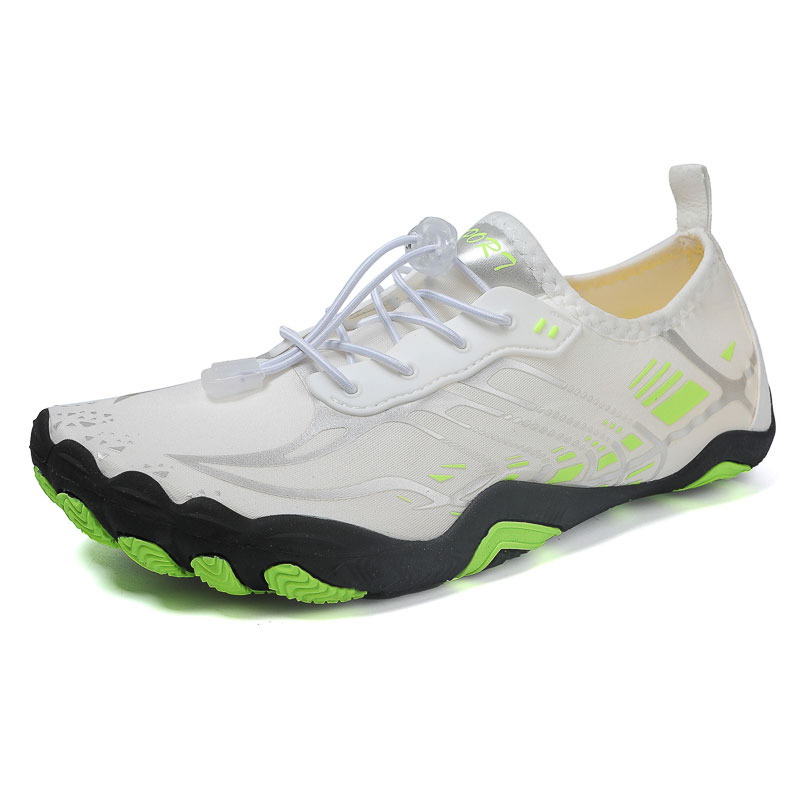
Firmness Outperforms Softness: Podiatrists recommend rigid soles over plush cushioning to prevent arch fatigue and support conditions like plantar fasciitis.
Drainage Equals Health: Efficient water evacuation prevents skin maceration and significantly lowers the risk of bacterial and fungal infections.
Traction Nuances: Smooth, wet rocks require specialized razor-siped outsoles rather than traditional deep hiking lugs.
Targeted Fit Matters: Adjustable lacing and wide toe boxes are non-negotiable for preventing blisters and accommodating sensitive feet.
Many consumers unknowingly purchase improper footwear for aquatic environments. The market heavily promotes cheap solutions over biologically sound designs. We see frequent injuries stemming directly from poor shoe construction.
Ultra-thin neoprene booties flood the summer market every year. Brands heavily market them as "water socks" for beachgoers. These unstructured sleeves completely fail to protect against sub-surface hazards. Sharp rocks easily penetrate the flimsy bottom material. Coral reefs can slice through thin neoprene instantly. Furthermore, they offer zero torsional stability. Your foot twists violently when navigating uneven riverbeds. This instability places enormous strain on your ankles and midfoot ligaments. Podiatrists routinely treat sprains linked directly to these unstructured booties.
Shoe manufacturers often use thick foam to simulate comfort. This marshmallow-like padding feels incredibly soft in the store. However, plush foam padding acts like a giant sponge underwater. It absorbs massive amounts of water immediately. The shoe weight increases exponentially within seconds. You drag heavy, waterlogged weights on your feet. This extra weight fundamentally alters your natural walking gait. Worse, waterlogged foam causes rapid breakdown of arch support. The structural integrity collapses under your body weight. You lose all foot support exactly when navigating treacherous terrain.
Medical professionals now recognize a clearly superior alternative. They position the multisport hydro category as the clinical standard. These advanced designs combine the rapid drainage of a sandal. They simultaneously offer the robust toe protection of a hiking boot. They deliver the secure heel locking of an athletic shoe. You get complete foot immobilization inside the footbed. This hybrid approach significantly reduces aquatic injuries.
Feature | Traditional Water Socks | Modern Hydro Shoes |
|---|---|---|
Base Support | Zero torsional stability | Rigid shank structure |
Drainage | Traps water in foam | Ported midsoles for quick exit |
Toe Safety | Exposed fabric | Reinforced rubber bumpers |
A highly supportive water shoe must actively resist twisting. Doctors call this specific characteristic torsional rigidity. You can test it by attempting to wring the shoe like a towel. Quality footwear heavily resists this twisting motion. A firm footbed explicitly minimizes plantar fascia strain. You need this rigidity during uneven aquatic terrain navigation. Soft soles simply collapse around river rocks. Firm soles distribute your body weight evenly across the entire foot. This distribution prevents localized pressure points on your arches.
Water must exit the shoe chamber immediately. We consider mesh uppers a strict medical necessity. Ported midsoles represent another mandatory design feature. They feature physical holes allowing water to drain downward instantly. These designs prevent prolonged moisture exposure. Prolonged dampness causes severe skin maceration. Maceration involves the unhealthy softening and tearing of epidermal layers. Damaged skin quickly creates perfect breeding grounds for athlete’s foot. Efficient ventilation stops this dangerous fungal cycle entirely.
Submerged environments hide countless unseen obstacles. You cannot see slippery logs beneath murky water. You easily kick hidden boulders in rushing rivers. We identify extended rubber toe bumpers as a mandatory safety feature. They physically wrap over the front toe area. This thick rubber barrier prevents traumatic nail injuries. It absorbs direct impacts to stop microscopic stress fractures. Unprotected toes suffer devastating blows during simple river crossings.
Consumers hold a dangerous myth regarding aquatic traction. They mistakenly believe thick, deep lugs work best in water. Deep hiking lugs actually reduce necessary surface contact. Smooth, wet rocks demand maximum surface area for grip. Podiatrists advocate for sticky, soft-rubber outsoles instead. These outsoles must feature razor sipes. Sipes are tiny slits cut directly into the rubber. They channel water away just like car tires. They maximize grip on notoriously slick rocks. This prevents disastrous slips and falls.
Plantar fasciitis patients face unique challenges near water. Walking barefoot on sand aggravates the inflamed fascia instantly. These patients require specifically engineered footwear solutions. They need a remarkably robust heel counter. They also need an unyielding midfoot shank embedded in the sole. Many patients struggle to understand a counterintuitive clinical reality. A stiff, structured sole actually aids recovery better. Highly flexible, overly soft soles prolong the inflammation. The firm structure physically supports the torn ligament. It prevents the fascia from overstretching during the push-off gait phase.
Best Practice: Always try bending your water shoe in half. If the middle folds easily, it will likely aggravate heel pain.
Common Mistake: Buying "memory foam" water shoes. The foam offers no therapeutic support once saturated.
Diabetic users and older adults face severe complication risks. Neuropathy severely degrades sensation in the lower extremities. These users cannot feel forming blisters. They require extremely specific design elements. A wide toe box is absolutely critical here. It prevents dangerous lateral compression against the toes. A completely seamless interior is equally important. Raised internal seams create distinct pressure points. Pressure points cause invisible ulcers. We strongly recommend barefoot-style wider lasts for these patients. Manufacturers must combine this wide fit with unusually thick protective outsoles. Thick bottoms successfully compensate for severely reduced plantar sensory feedback. They block sharp objects from penetrating the sole unnoticed.
Material choices directly dictate a shoe's intended use case. Neoprene provides truly excellent cold-water insulation. It functions by locking a very thin layer of water against the skin. Your body heat naturally warms this trapped water. This mechanism prevents hypothermia in glacial rivers. However, neoprene severely traps sweat in hot climates. Synthetic mesh functions entirely differently. It offers vastly superior drainage capabilities. It guarantees rapid drying for hot summer environments. It allows constant airflow to cool overheated feet. Choosing reliable Multisport Hydro Shoes means matching the material directly to your climate.
Material Type | Thermal Insulation | Drainage Speed | Ideal Environment |
|---|---|---|---|
3mm Neoprene | High | Slow | Cold rivers, deep ocean |
Synthetic Mesh | Low | Extremely Fast | Tropical beaches, lakes |
Damp shoes inevitably harbor microscopic threats. The combination of heat and water breeds bacteria rapidly. This bacteria produces highly offensive odors. More importantly, it threatens compromised skin barriers. You must look for footwear treated with permanent odor-control technologies. Specialized silver-ion treatments actively destroy bacterial cell walls. These treatments aggressively combat moisture-induced bacteria buildup. Your feet remain clinically hygienic throughout long vacation days.
Water shoe fasteners endure tremendous environmental abuse. Closure systems like bungee laces rely on small hardware components. Velcro straps face constant exposure to abrasive sand. You must ensure all hardware utilizes completely rust-proof materials. Saltwater corrodes cheap metal eyelets within days. Degraded eyelets snap under pressure. When hardware fails, the foot slides loosely inside the shoe. This sliding creates catastrophic friction blisters. Rust-proof components guarantee your foot remains securely locked into the footbed over time.
Cold river navigation requires specific sizing strategies. Many users wear extra insulation layers in frigid conditions. We advise sizing up by a complete half-size for cold water usage. This extra space easily accommodates 3mm-5mm neoprene insulation socks. Standard sizing dangerously compresses the foot when adding thick socks. Compression physically restricts crucial blood flow. Restricted circulation leads to rapid chilling and numbness. Sizing up correctly ensures maximum warmth without circulatory compromise.
A sloppy heel fit ruins aquatic outings instantly. Muddy lake bottoms create tremendous suction forces. This suction aggressively pulls at loose footwear. We heavily emphasize the importance of quick-adjust elastic lacing systems. These intelligent systems tightly lock the collar around your ankle. They actively prevent heel slippage when pulling your foot out of deep mud. Heel slippage causes severe friction blisters on the Achilles tendon. A locked heel guarantees maximum power transfer and skin safety.
Proper maintenance dramatically extends footwear lifespan. Rubber compounds degrade rapidly without proper care. Chemical adhesives fail when exposed to extreme heat. We establish a strict protocol for maintaining your gear.
Rinse the shoes thoroughly in clean, fresh water immediately after use.
Remove all abrasive sand and highly corrosive salt from the mesh fibers.
Remove the insoles to accelerate the internal drying process.
Air-dry the shoes in a well-ventilated, shaded area.
Keep wet shoes far away from direct UV heat and hot car trunks.
Following these specific steps maintains the vital integrity of the rubber. It protects the structural adhesives holding the sole together.
The best podiatrist-approved water footwear prioritizes essential biological function over casual convenience. True clinical safety requires stiff torsional support. It demands rapid mechanical drainage. It relies on razor-siped grip designs. You must actively assess your primary water environment before making a purchase. Determine whether you face cold rushing rivers or warm tropical beaches. Evaluate your existing foot conditions carefully. Acknowledge any underlying issues like plantar fasciitis or neuropathy. Use these precise medical criteria to select your ideal pair. Proper equipment fundamentally protects your mobility and overall health.
A: Yes. Prolonged exposure to damp environments can cause skin maceration, blistering, and fungal infections. Rapid-drying materials are essential.
A: Only if specifically designed with rigid shanks and firm arch support. Most cheap water socks exacerbate heel pain.
A: Traditional hiking treads (deep lugs) reduce surface contact on wet, smooth surfaces. Look for outsoles with specialized razor siping instead.
A: They should fit snugly to prevent the foot from sliding and causing blisters, but the toe box must remain wide enough so toes aren't compressed.


