 English
Views: 0 Author: Site Editor Publish Time: 2026-04-17 Origin: Site


Transitioning from land to water introduces conflicting footwear requirements. You face a tough choice between rigid protection against rocks and hydrodynamic flexibility for swimming. Treating aqua socks and aqua shoes interchangeably is a frequent mistake. This common oversight easily leads to ruined gear, severely blistered feet, or rejected access at theme park attractions.
Every aquatic environment demands specific gear. A rocky riverbed destroys thin fabrics instantly. Conversely, rigid rubber soles anchor you down during a long open-water swim. This guide establishes a concrete evaluation framework. We will help you choose the exact aquatic footwear based on your specific terrain, activity level, and thermal requirements. By understanding these core differences, you can protect your feet, optimize your swim mechanics, and conquer any aquatic environment safely.
Aqua Shoes are built for amphibious versatility and load-bearing protection; they feature rigid outsoles that excel on rocky shores but create heavy drag while swimming.
Quick-Dry Aqua Socks function as a "second skin" with minimal or zero tread; they prioritize barefoot feel, fit comfortably inside flippers, and are compliant with water park slide rules.
The Thermal Reality: Thin aqua socks will not insulate feet from sun-baked concrete, while traditional mesh aqua shoes provide zero cold-water insulation.
Advanced Layering: In extreme conditions or specific dive scenarios, combining both (socks inside shoes/flippers) is a proven standard for preventing chafing and maximizing warmth.
To make an informed purchase, you must first understand how manufacturers construct these two distinct categories. They serve entirely different primary functions.
Manufacturers design these garments to sit flush against your skin. They eliminate bulk and maximize mobility.
Construction: They typically use Neoprene for insulation. Alternatively, they use Lycra or Spandex blends for UV protection and breathability.
Sole Profile: You will find zero to ultra-thin rubber coating. Brands design them specifically to mimic a barefoot sensation.
Primary Function: They excel at anti-chafing. They offer minor abrasion protection against coral scrapes or jellyfish stings. Neoprene versions also provide vital thermal retention in cold water.
Best Practice: Always check the material blend. If you need maximum flexibility in a warm pool, choose a Lycra-based fabric over rigid Neoprene.
These models bridge the gap between a hiking sneaker and a water sock. They handle rugged land transitions effortlessly.
Construction: They feature a structured upper. This often includes heavy drainage mesh. They utilize a rigid or semi-rigid outsole. Traditionally, manufacturers used heavy rubber. Today, many shift toward lightweight Bio-EVA foam.
Sole Profile: They boast thick bases. You will find multi-directional grip patterns or rugged studs for maximum traction.
Primary Function: They deliver superior impact absorption. They offer reliable puncture resistance against shattered glass or sharp river rocks. They provide crucial support during land-to-water transitions.
Common Mistake: Do not expect a structured water shoe to fit perfectly inside a rubber diving flipper. The rigid heel counter will immediately cause severe blistering.
Choosing between these two options requires analyzing four critical dimensions. Here is how they compare across real-world scenarios.
Footwear must block hazards from penetrating the sole. It must also insulate your skin from extreme temperatures.
Shoes win this category outright. They are essential for navigating jagged coastal rocks. You also need them when standing in long queues on sun-scorched theme park concrete. The thick rubber halts heat transfer.
Socks completely fail on hot pavement. Radiant heat transfers instantly through their thin soles. You will burn your feet within seconds on hot sand. They remain strictly suitable for minor underwater scrapes only.
Your forward momentum relies heavily on your natural swim kick. Heavy footwear destroys this efficiency.
Socks remain essential for open-water swimmers. They provide total ankle flexibility. They do not disrupt the natural mechanics of a flutter kick.
Shoes act like heavy anchors. The rigid soles and structured toe boxes create massive water resistance. They cause rapid leg fatigue during any sustained swimming effort.
How footwear handles water retention determines your comfort level on land.
Shoes feel noticeably heavier on land. However, structured mesh models drain instantly upon exiting the water. They do not hold excessive moisture.
Socks perform differently based on their fabric. High-quality Quick-Dry Aqua Socks made of Lycra shed water rapidly. Conversely, Neoprene socks purposely trap a thin layer of water against the skin. Your body heat warms this trapped water for insulation. Consequently, Neoprene feels incredibly heavy and soggy until you take it off.
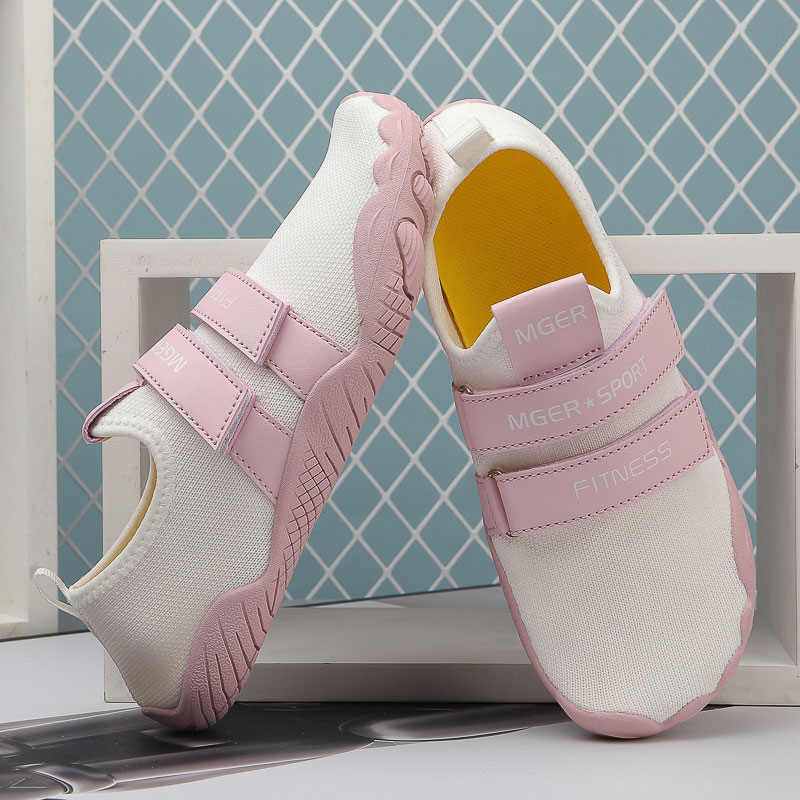
Slip resistance prevents dangerous falls on unpredictable aquatic terrains.
Shoes deliver superior grip. Their structured treads bite into wet boat decks. They conquer mossy river rocks and stabilize your stance on muddy banks.
Socks present a high risk of slipping on algae-covered rocks. They lack the necessary structural tread to displace slime and grip the hard surface beneath.
Evaluation Dimension | Aqua Socks | Aqua Shoes |
|---|---|---|
Puncture Protection | Low (Minor scrapes only) | High (Glass, sharp rocks) |
Heat Insulation (Pavement) | Poor (Heat transfers quickly) | Excellent (Thick rubber barrier) |
Swimming Hydrodynamics | Excellent (Zero drag) | Poor (High drag, heavy) |
Slick Surface Traction | Low (Prone to slipping) | High (Multi-directional treads) |
Your specific activity dictates your gear. Let us map out three common scenarios to reveal the exact footwear you need.
Open Water Swimming & Snorkeling
Verdict: Aqua Socks.
Evidence: Swimmers desperately need bare-leg mobility. Structured shoes ruin a proper swim kick. If shore entry requires walking on sharp rocks, a common workaround exists. You wear hard shoes to the water line. Next, you strap them to a brightly colored tow-float. Finally, you switch to thin socks for the actual swim. Furthermore, socks are absolutely mandatory inside rubber flippers. They prevent severe chafing on the heels and toes.
Water Parks & Theme Parks
Verdict: Split decision based on park rules.
Evidence: Most fiberglass water slides explicitly ban hard-soled or gripped aqua shoes. Operators enforce this strictly to prevent slide damage. Aqua socks easily bypass these slide rules. However, they fail to protect your feet from scorching hot concrete between rides. Buyer strategy: Wear supportive slip-on clogs for walking between attractions. Carry pure water socks in your pocket for the actual rides.
Kayaking, Gorge Walking & Fishing
Verdict: Aqua Shoes.
Evidence: These rugged activities require load-bearing steps on unseen underwater hazards. You cannot see what you are stepping on in murky water. You need rigid structural toe protection. You also require a dense sole that will not compress when stepping on a jagged stone or submerged branch.
Once you determine your category, you must scrutinize specific features before purchasing. Do not buy blindly based on appearance alone.
The fabric entirely dictates the thermal properties of your footwear.
Choose Neoprene for cold-water insulation. This fabric operates exactly like a wetsuit. It captures water and uses your body heat to keep you warm.
Choose Lycra or Spandex blends for warm environments. If your goal is UV protection, high breathability, and securing a pair of high-performance Quick-Dry Aqua Socks for tropical climates, these synthetic blends are perfect. They dry in minutes under a warm breeze.
Water footwear demands a much stricter sizing approach than standard street shoes.
They must fit tighter than your daily sneakers. Loose footwear expands further once fully submerged. Baggy material will pool water heavily. It will rub against your skin and cause the exact chafing you originally sought to prevent.
Look carefully for seamless interiors. Blind-stitched seams significantly reduce internal friction. They keep your skin smooth even after hours of continuous movement.
Collar height determines how much debris enters the footbed.
Buy low-cut profiles for pool use and casual swimming. They are easy to slip on and off.
Buy high-top profiles for beach entries and muddy rivers. High tops often feature zippers or durable velcro straps. They effectively prevent fine sand and small pebbles from entering the footbed during turbulent waves.
Aquatic environments are incredibly harsh on synthetic materials. Proper maintenance extends the lifespan of your gear exponentially.
Saltwater and pool chemicals act as slow-acting corrosives. Both Neoprene and Lycra degrade rapidly if microscopic salt crystals remain in the fibers. Chlorine breaks down spandex elasticity quickly. Your snug gear will soon become loose and useless if neglected.
You must establish a strict post-activity cleaning habit. Always execute an immediate fresh-water rinse after every single use. Submerge them in clean water. Squeeze the material gently to push out the trapped chlorine or salt.
Improper drying destroys aquatic gear faster than abrasive rocks.
Never leave Neoprene or synthetic aqua gear in direct, baking sunlight. Extreme UV exposure permanently hardens the rubber. It cracks the material and destroys the vital elasticity required for a snug fit. Instead, you must always dry them in shaded, well-ventilated areas. Hang them upside down to accelerate the dripping process.
Choosing the correct aquatic footwear completely transforms your water experience. Making the wrong choice leads to endless frustration and potential injury.
Assess your main risk: Base your final purchase on your primary point of failure.
For unrestricted movement: If your risk is ruined swim mechanics or slide-bans at a theme park, buy Quick-Dry Aqua Socks.
For heavy protection: If your risk is sliced soles on rocky riverbeds or burning feet on hot concrete, invest in fully structured aqua shoes.
Combine for extremes: For dedicated cold-water swimmers or dive enthusiasts, purchasing both is wise. Utilizing a layering strategy provides the ultimate, most secure investment for your feet.
A: Yes. This is highly recommended in diving to prevent rubber flippers from blistering the skin. It acts as a protective barrier and stops painful friction.
A: Generally, no. Lifeguards will ask you to remove footwear with rubber grips or hard soles. Aqua socks without external treads are usually the only permissible footwear on fiberglass slides.
A: Only for a few seconds. The thin sole lacks the density to block radiant heat. If you have long walks on sun-baked surfaces, you must use a hard-soled shoe.


