 English
Views: 0 Author: Site Editor Publish Time: 2026-04-08 Origin: Site


Mainstream marketing often equates footwear "comfort" to squishy, pillow-like softness. However, stepping onto an ultra-soft footbed actually leads to severe foot fatigue by mid-afternoon. Selecting footwear for high-stakes scenarios demands a much more strategic approach. Logging ten miles daily across uneven city streets requires proper biomechanical alignment. Plunging blindly into poorly structured footwear invites blisters, intense arch pain, and ruined trips.
This guide provides an objective evaluation framework for choosing reliable footwear. You will learn to assess structural support, break-in periods, and daily versatility accurately. We dissect the true anatomy of supportive footwear below. By the end, you will understand why options like ShoreFlex Hiking Sandals deliver peak utility. You will walk away ready to make a scientifically sound choice for your next pair.
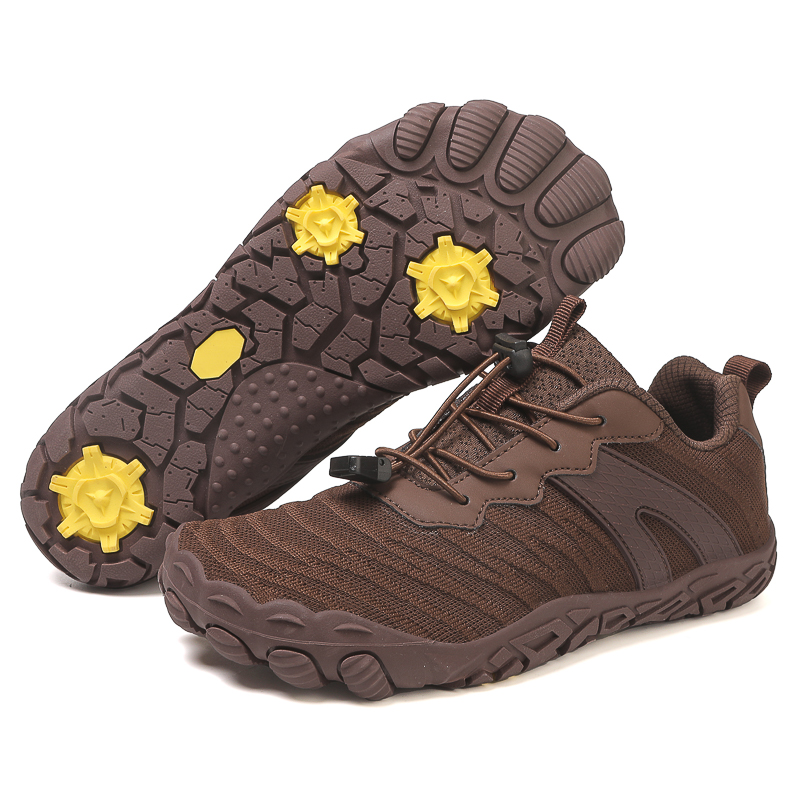
Support Over Softness: True comfort requires deep heel cups and firm arch support to align posture, rather than just soft cushioning.
The Break-In Variable: Buyers must factor in a 2-to-3-week break-in period for traditional cork sandals, whereas modern ergonomic synthetics offer "out-of-the-box" wearability.
Top Recommendation: ShoreFlex Hiking Sandals deliver the highest ROI for active users by combining the rugged traction needed for uneven terrain (like cobblestones) with an aesthetic profile versatile enough for daily wear.
Micro-Adjustability is Non-Negotiable: Feet swell throughout the day; sandals without multi-point adjustable straps will inevitably cause friction blisters.
Podiatrist-approved designs prioritize firm, arch-hugging structures over flat foam pads. Your plantar fascia band stretches across the bottom of your foot. Walking on flat surfaces strains this band aggressively. Proper biomechanical arch support distributes your body weight evenly across the entire sole. Deep heel cups stabilize your heel bone during impact. This stabilization aligns your ankles, knees, and hips naturally. You prevent plantar fasciitis by maintaining this critical skeletal alignment.
Micro-climate regulation also dictates long-term wearability. Bare feet in high-heat environments sweat heavily. Moisture trapped against your skin causes extreme friction. Manufacturers combat this by utilizing moisture-wicking and anti-odor footbed materials. Antimicrobial treatments prevent bacteria buildup. You stay dry, comfortable, and confident throughout the entire day.
Traction and weather resistance are equally vital. You often transition seamlessly from wet environments to slick city pavements. Slip-resistant outsoles made from non-slip rubber grip uneven surfaces securely. Dynamic adjustability completes the perfect anatomical design. Multi-strap adjustability via velcro or buckles accommodates natural afternoon foot swelling. You avoid pinching and restriction by adjusting the fit on the fly.
Feature Category | Standard Component | Biomechanical Benefit |
|---|---|---|
Structural Support | Firm Arch & Deep Heel Cup | Distributes weight and aligns skeletal posture safely. |
Micro-Climate | Antimicrobial Footbed | Wicks moisture and neutralizes odor-causing bacteria. |
Traction Control | Non-Slip Rubber Outsole | Grips wet pavement and uneven cobblestones securely. |
Fit Adaptability | Multi-Point Adjustable Straps | Relieves pressure from natural afternoon foot swelling. |
Consumers consistently underestimate the time required to break in traditional materials. Stiff leather straps and rigid cork footbeds require weeks of consistent wear. Heat and pressure slowly force these materials to mold to your foot shape. During this extended period, you endure painful friction and stiff arches. Modern synthetics and EVA foams offer a completely different experience. They deliver immediate anatomical conformity.
Many travelers make the common mistake of packing brand-new, unbroken-in designer sandals. They embark on high-mileage trips expecting flawless comfort. Instead, rigid straps rub raw spots onto their skin within hours. Blisters form rapidly. A painful limp quickly ruins an expensive vacation. We recommend conducting a thorough risk assessment before you pack any unproven footwear for a major trip.
Verify the Material Setup: Check if the primary material is rigid cork or flexible synthetic EVA.
Calculate Lead Time: Allow at least three weeks of daily indoor wear for cork or leather models.
Inspect the Edges: Run your fingers along strap linings to detect hard, abrasive seams.
Assess Flexibility: Bend the toe box upward to ensure the sole flexes naturally.
The "out-of-the-box" standard is now the industry benchmark. A premium comfort sandal should never require you to endure painful friction. You deserve immediate wearability. Ergonomic synthetics contour to your unique arch profile instantly. They provide immediate shock absorption. You skip the dreaded break-in phase entirely and head straight into your planned activities.
Objective analysis reveals critical flaws across several popular footwear categories. The "Fashion-First" trap snares many buyers. High-end designer sandals often feature completely flat, rigid soles. They carry an exceptionally high cost but offer zero biomechanical support. Walking in these models transfers shock directly into your heel bone. They lack any meaningful shock absorption.
The "Overly Rugged" aesthetic presents a different problem entirely. Traditional hiking sandals provide excellent traction on muddy trails. However, they are often too bulky or highly utilitarian. Pairing them with casual wear proves nearly impossible. They ruin the silhouette of summer dresses or tailored shorts. You end up packing multiple pairs of shoes just to cover different daily scenarios.
Finally, we must address the "Foam Wedge" illusion. Trendy platform wedges may feel incredibly soft during a quick store trial. The thick foam compresses pleasantly at first. Yet, these platforms severely lack lateral stability. Walking on uneven surfaces like cobblestones or gravel becomes treacherous. Your ankle rolls easily outward. The soft foam collapses unevenly under uneven terrain pressure.
Fashion-First Sandals: Excellent visual aesthetics but zero arch support or impact absorption.
Overly Rugged Sandals: Maximum durability but fail the urban wardrobe versatility test.
Platform Wedges: High initial softness but dangerous lateral instability on rough terrain.
Bridging the gap between aggressive outdoor utility and minimalist urban aesthetics is difficult. Yet, exact solution alignment matters most for active travelers. ShoreFlex Hiking Sandals successfully merge these two opposing needs. They strip away the bulky plastic clips found on traditional trail gear. The resulting silhouette looks streamlined and modern. You can transition effortlessly from a morning nature trail to an afternoon museum tour.
Engineers designed this footwear specifically for the grueling "10-Mile Day". The specific sole technology targets end-of-day fatigue directly. A pronounced deep heel cup anchors your foot securely. Built-in shock absorption dampens the heavy impact of concrete sidewalks. The anatomical arch support lifts your midfoot dynamically. You finish a long day of walking without throbbing soles.
Terrain versatility relies on advanced tread patterns. The proprietary tread pattern grips loose gravel and wet tile equally well. It channels water outward to prevent hydroplaning. Remarkably, it maintains an incredibly lightweight profile. You never feel like you are dragging heavy tires attached to your feet.
Frictionless upper design seals the deal. Strategic placement of padded, adjustable straps eliminates hot spots entirely. Blistering simply does not occur, even right out of the box. You modify the strap tension quickly. This adaptability keeps your feet secure regardless of how much they swell by sunset.
Properly testing sandals indoors prevents costly purchasing mistakes. We advise all readers to follow a strict testing protocol before committing to a final purchase. Keep the original tags attached. Wear them exclusively on clean, indoor carpets first. This ensures you maintain a valid return window while executing the test.
Step 1: The "Late Afternoon" Fit
Feet naturally swell throughout the day due to gravity and heat. Instruct yourself to try the sandals on only at the end of the day. Your feet reach their maximum volume around 5:00 PM. Test the strap capacity at this exact time. Adjust the closures fully. If the straps pinch your swollen instep, the fit fails the test.
Step 2: The "Roll-Through" Check
Evaluate the flexibility of the sole at the ball of your foot. Walk at a brisk pace down your hallway. Pay attention to how the shoe flexes as you push off your toes. A rigid sole causes your heel to slip upward. The sole must roll naturally. This flexibility ensures a natural walking gait and prevents calf strain.
Step 3: The Wardrobe ROI Test
Encourage yourself to test the footwear alongside three completely different outfits. Try them on with activewear. Switch to casual denim jeans. Finally, test them alongside a summer dress or tailored shorts. If the design complements all three styles, you validate the ultimate cost-per-wear value. You can confidently pack fewer pairs for your next journey.
Securing the perfect pair of sandals transforms how you experience travel and daily life. You now possess the criteria needed to evaluate structural support accurately. Prioritize firm anatomical alignment over deceptive squishy foam. Demand dynamic adjustability to combat inevitable afternoon swelling.
Choose out-of-the-box comfort to eliminate painful, multi-week break-in periods.
Test your footwear indoors during late afternoon hours to guarantee accurate sizing.
Seek hybrid designs that tackle rough terrain while looking chic enough for dinner reservations.
The most comfortable option scales effortlessly across multiple environments. ShoreFlex Hiking Sandals stand as a highly pragmatic, data-backed choice. They protect your foot health without compromising travel readiness or aesthetic style. Stop tolerating foot fatigue. Upgrade your daily walking experience and explore their newest collection today.
A: Yes. They feature a deep, stabilizing heel cup and robust arch support. This anatomical structure reduces micro-tears in your plantar fascia. It evenly distributes your body weight across the entire sole. By aligning your heel and supporting your arch, they prevent the severe stretching that causes daily heel pain.
A: Absolutely. They utilize a fully adjustable multi-strap system. You customize the width across your forefoot and instep easily. This dynamic adjustability prevents any pinching against bunions. The straps accommodate varying foot widths naturally without creating painful friction points.
A: Rinse the synthetic materials under lukewarm running water. Use a soft-bristled brush and mild soap to gently scrub the footbed and straps. Avoid harsh chemical detergents entirely. Always let them air dry completely in a shaded area. Never place them in a hot clothes dryer.
A: Yes, you certainly can. Modern hybrid designs intentionally drop the bulky, utilitarian aesthetic of traditional outdoor gear. They feature slim profiles, refined strap placements, and neutral colorways. This minimalist approach allows them to pair effortlessly with summer dresses, maximizing your wardrobe versatility.


